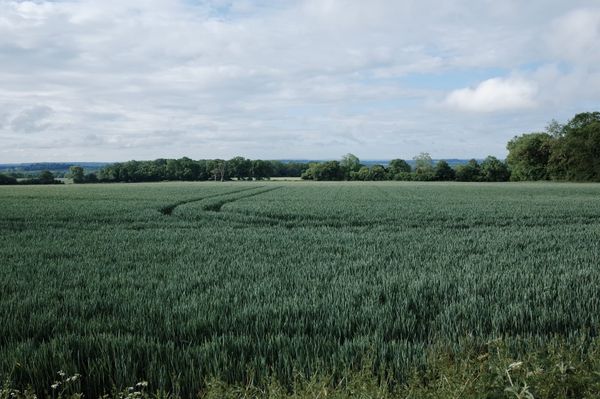
Orientation & Direction (Map)
Start at the end
A practical guide to backcasting: mountains, waypoints, the grid, and the conversation everyone skips.
Orientation & Direction (Map)
A practical guide to backcasting: mountains, waypoints, the grid, and the conversation everyone skips.
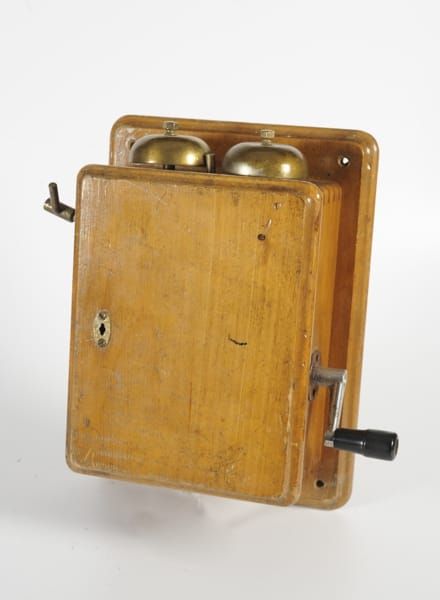
Creativity & Climate (Engine)
On the same February day in 1876, two men filed patents for the telephone, hours apart. Which tells you something about genius: the idea was never the rare part. On why the lone-genius story is almost always a team with the room cropped out.
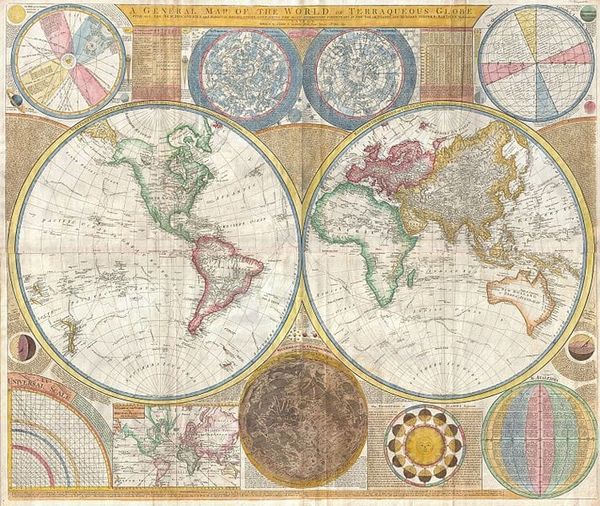
Orientation & Direction (Map)
Why clarity matters in messy creative work. We don't need to know every turn, but without a clear destination, good people can spend enormous effort going in the wrong direction.

Learning & Practice (Flywheel)
On why we confuse shipping with value, and the three questions Henry James asked of any work - the last of which almost nobody asks.

Creativity & Climate (Engine)
On the PO method, lateral thinking, and why creativity was never a gift some people have. It's a device you can pick up off the nearest surface.
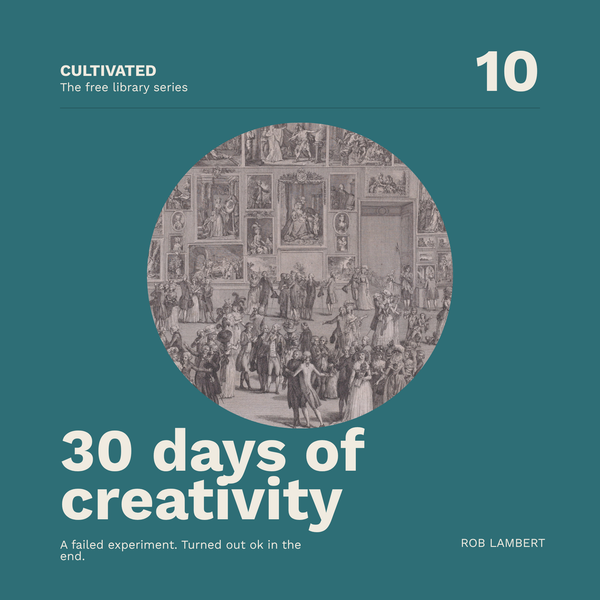
Creativity & Climate (Engine)
I set out to post one small idea about creativity every day for a month. LinkedIn killed it on day six. Here are the thirty that survived — free to read.

Creativity & Climate (Engine)
Months into a startup doubling year on year, the team was tiring in the messy middle. So I bought posh biscuits and ran a very different kind of workshop. On Appreciative Inquiry, and the discipline of studying success.
Communication (Wiring)
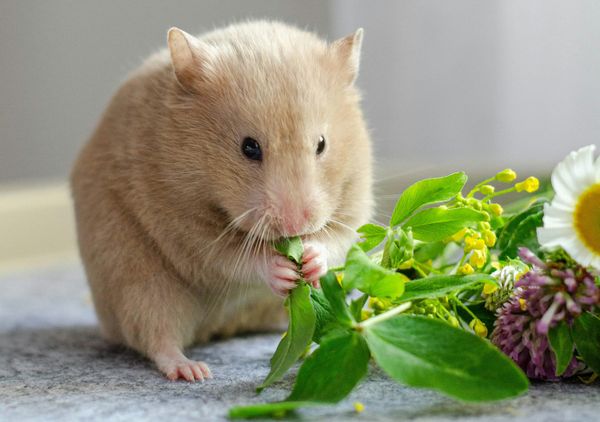
On business storytelling, and why facts inform but stories orient.
Learning & Practice (Flywheel)
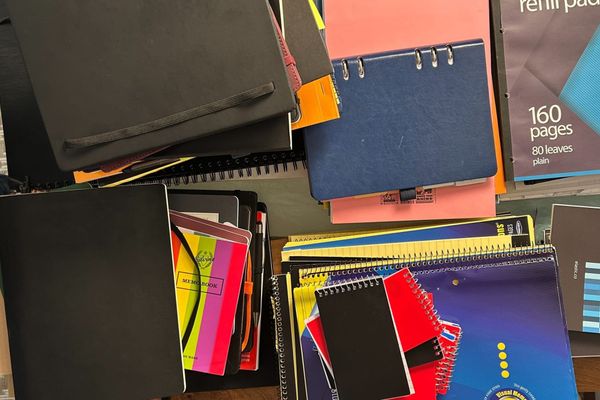
I discovered the Cornell Note-Taking Method over a decade ago and promptly ignored it. It sounded dull and academic. Then I tried it properly. I have not really stopped since.
Idea to Value (Physics)
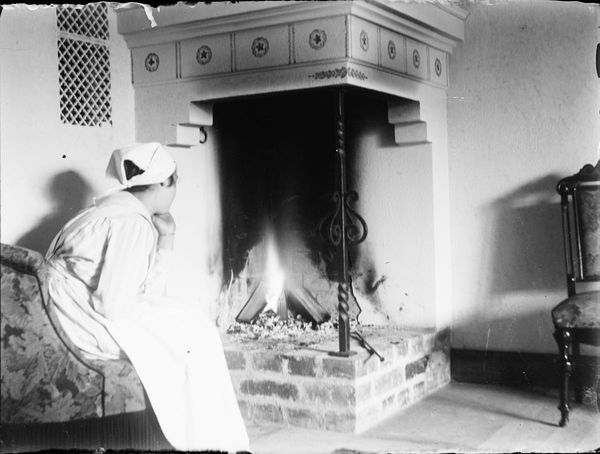
For our anniversary, our local pub had just been told to cut costs by any means necessary. So they'd turned off the heating - one thing everyone was paying for. I got to watch a business raise its costs by trying to lower them, in real time, over a burnt lasagna.
Creativity & Climate (Engine)
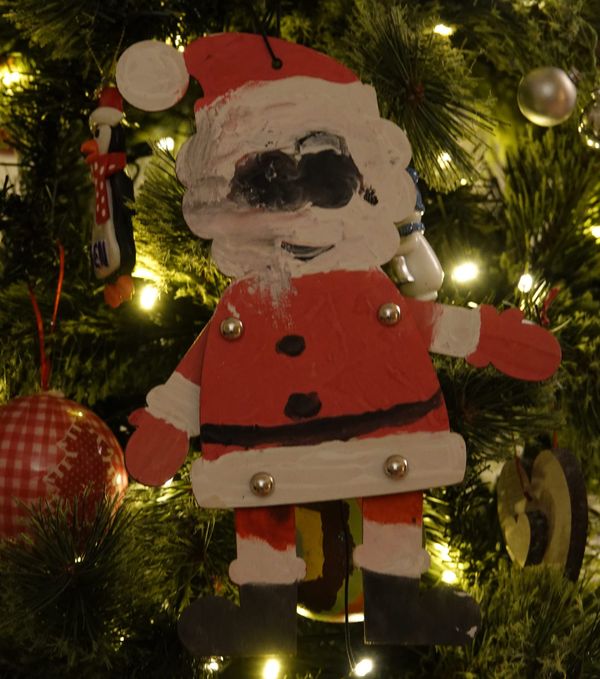
My middle son apologised for his Christmas ornament before he'd even shown it to us - "it looks like it's been through a fire." I watch grown, capable adults do exactly the same thing in every workshop. On the very human fear of sharing what we make, and the only thing that softens it.
Communication (Wiring)
In the startup, on any given day: customers calling, ops drowning in alerts, execs pinging chat. All of it communication - and all of it affected by noise. On the four kinds of noise, and why your message didn't land.