
meeting notes
Let them eat PowerPoint
A field note on the deck that becomes the point. And brioche.
Communication and meaning — how clarity moves between people, and where it fails. Articles in this layer explore listening, feedback, trust, language, and the habits that make communication reliable.

meeting notes
A field note on the deck that becomes the point. And brioche.
Communication (Wiring)
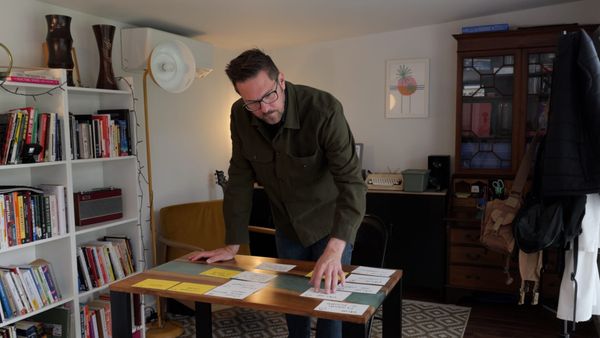
Here's how to structure a talk with a two-pound stack of index cards - plus the full step-by-step method, free to read in a complimentary edition of The Department of Interesting Things.

Communication (Wiring)
A hot Sunday, a stand full of tat, and my 12-year-old turning into a formidable negotiator.

Communication (Wiring)
Every presentation is an exchange. The audience gives us their finite resources, and the speaker gives value, perspective, meaning and something worth paying attention to.
Communication (Wiring)
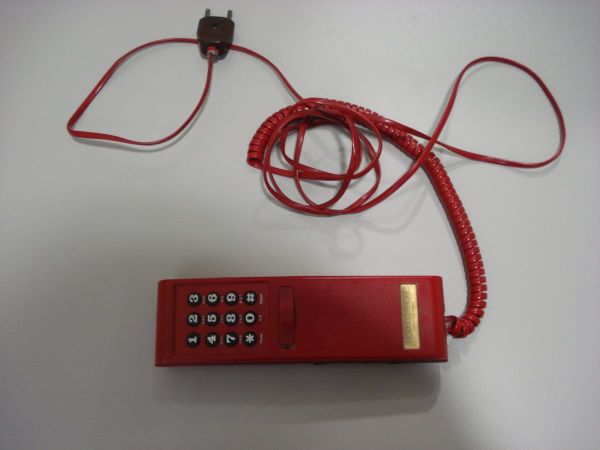
A brilliant, vastly interesting man, a telegraph pole, and half of Sheffield's phones. On the strange gift of fast feedback — and how much better work gets the moment the signal comes back quickly.
Communication (Wiring)
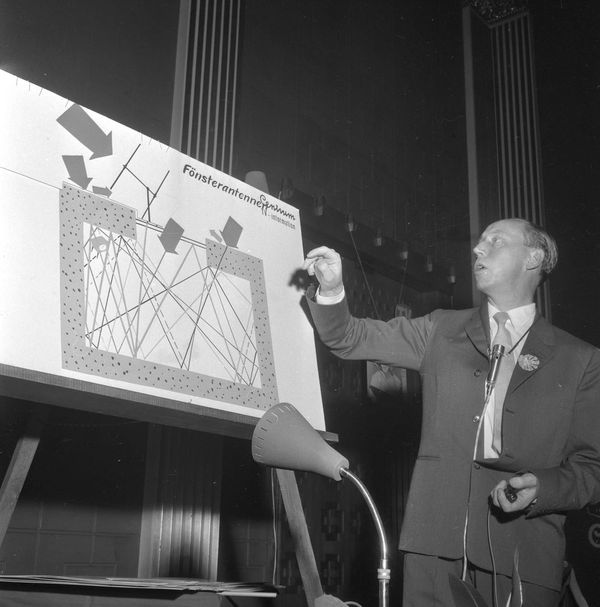
Dame Judi Dench, Louis Theroux and feeling alive on stage. The power of public speaking.
Creativity & Climate (Engine)
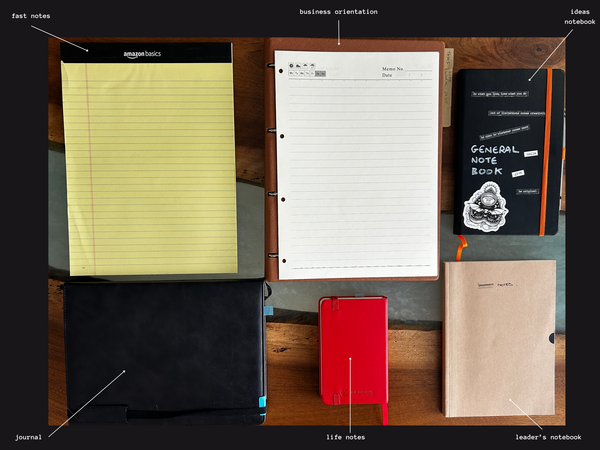
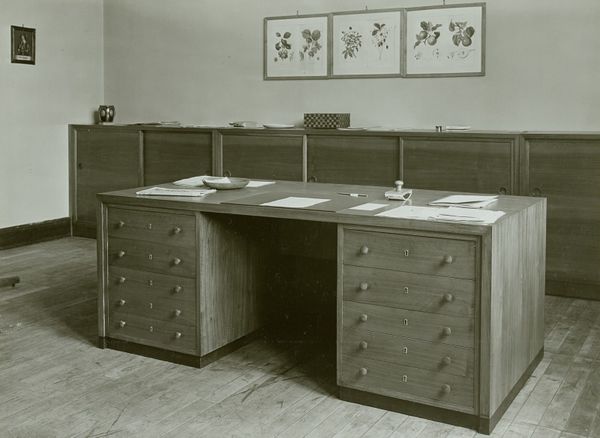
There's no perfect notebook — only the right container, with the right rules, for how long a note needs to live. Here's the method, and the six on my desk.
Communication (Wiring)
Most meetings that fail aren't badly run. They produce agreement instead of alignment — and the difference between the two is what people do on Thursday.

Communication (Wiring)
A model of how contribution actually travels across a working life. Four concentric modes — Practitioner, Multiplier, Reader, Author — communication as the carrier, and the practice underneath that keeps good ideas moving through work rather than dying on a Thursday afternoon.

Communication (Wiring)
Being good at the work isn't the same as being good at explaining it. Public speaking is how ideas move through an organisation — and how to make yours travel.
Communication (Wiring)
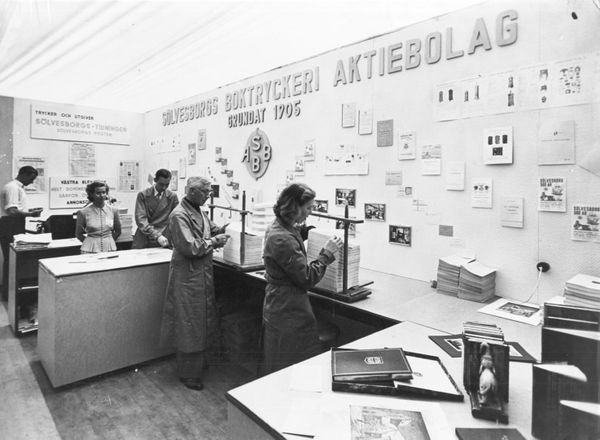
I thought I was researching old printing presses. Instead I found myself studying operating systems. A journey through the archives of the GPO, Braun, Lufthansa and the BBC — and what they were really building beneath the surface.

Communication (Wiring)
The CV has survived decades of reinvention around it — and viewed as a communication tool with a purpose, an audience and a context, that survival makes sense. What's missing is something else entirely.