Putting the human back into the work
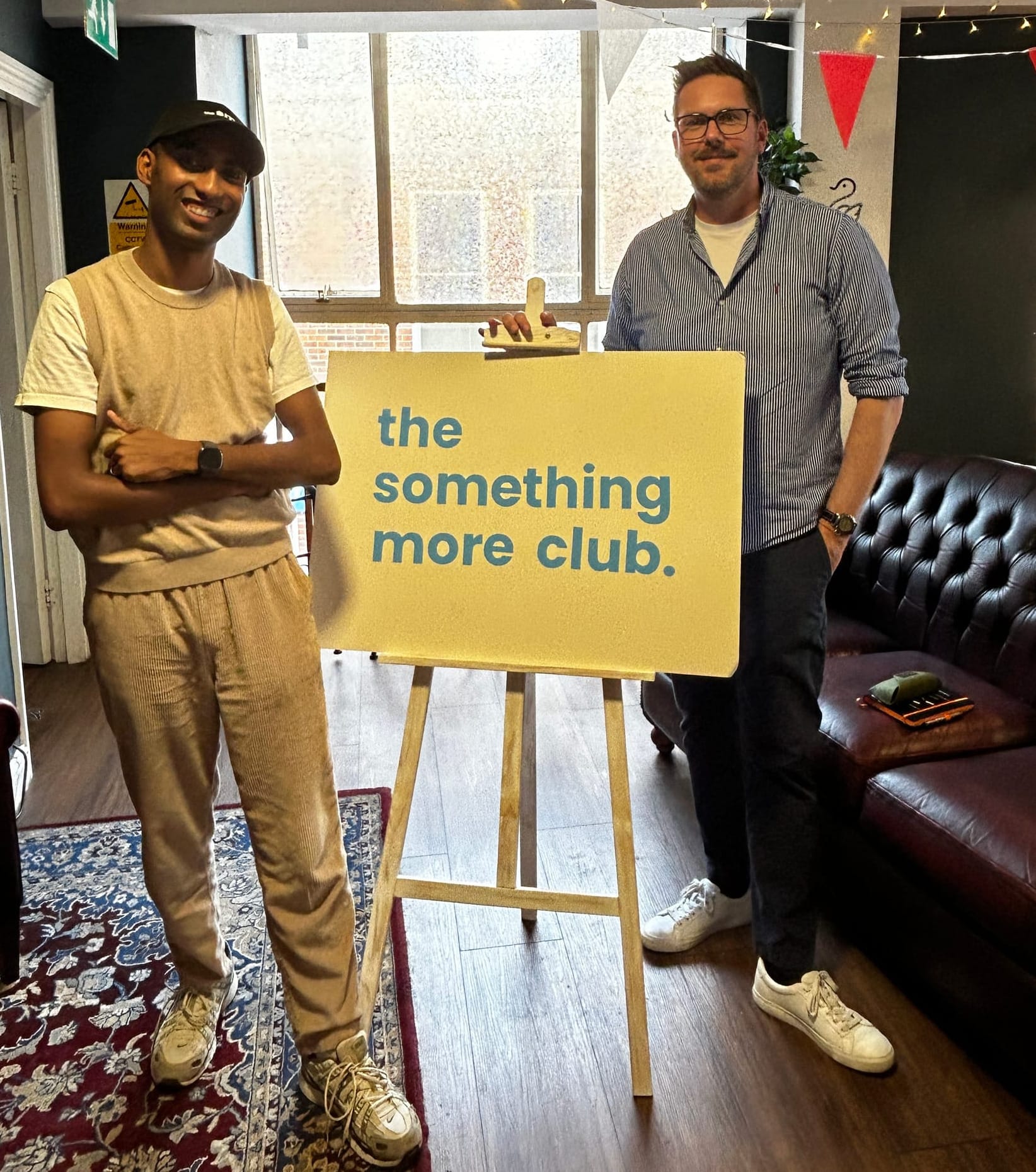
Last night I was at a new community event called The Something More Club. Three talks on running a small business, and beneath all three, the same two themes kept surfacing: human connection, and community.

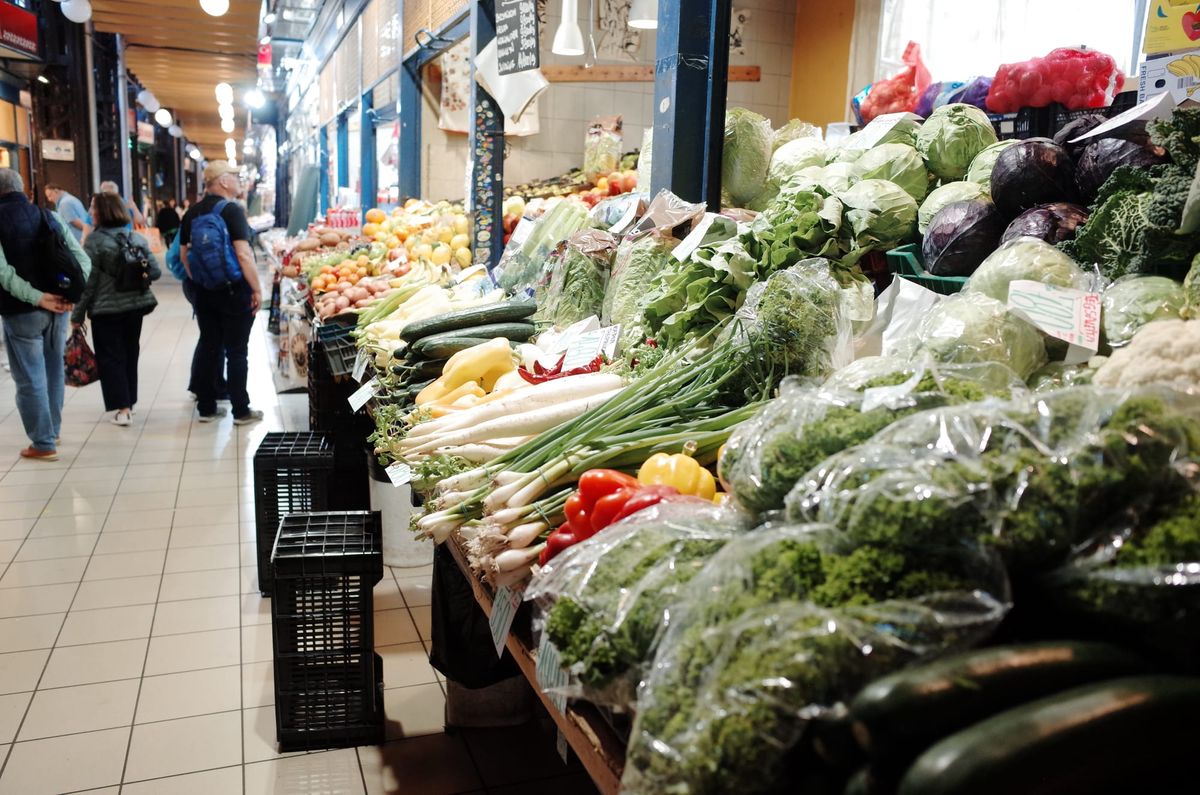
Last night I was at a new community event called The Something More Club. Three talks on running a small business, and beneath all three, the same two themes kept surfacing: human connection, and community.
No hard sell from anyone. No networking shenanigans. Just a room of people who know that underneath a business are people. Not machines. Not code. Not AI. Not process. Not cost reduction above all else. People.
I wasn't surprised by the themes. I'd been watching this one arrive for about three years.
Editor's note — where this sits
This piece traces a weak signal three years in the making, and a room last night that confirmed it out loud. It sits within the Engine layer of the Idea to Value system — the layer concerned with creativity, climate, and the conditions that let good work happen.
The Idea to Value system — five layers
Weak signals, human connection, and why the human was never the obstacle to value
Way before the pandemic, I noticed something on video calls with team members who worked from home: plants. Nature in the workspace. Natural materials on desks and shelves. Small signs, easy to miss, that hinted at something shifting.
These are called weak signals — small seeds that, if you notice them, can indicate a change in culture, an emerging need, sometimes a coming problem. Of course, now that remote work is everywhere, a pot plant behind someone's shoulder is unremarkable. But back then it was a whisper of something – a need to make our work less sterile and more natural.
I first learned to spot them during my Media Science degree — an odd combination of communication, science and sociology that felt useless for the world of work at the time and turned out to be almost perfectly designed for it. Science taught me to be rigorous with what the data actually says. Sociology taught me to see how people live in spaces and communities. Communication taught me how meaning moves. Weak signals sit at the junction of all three: noticing small signs in society, understanding what they mean for people, and studying them properly rather than philosophically.
The practice itself is simple. I keep a weak signals folder in Apple Notes. Every time I spot something interesting, in it goes. It may be a signal. It may just be interesting. It may be nothing. But keep the practice up and fragments start forming patterns — the same theme emerging from different directions, the same observation wearing different clothes.
When a seed becomes a forest
One signal I first logged about three years ago was disconnection from technology and the reconnecting with community, with people. Yes, Cal Newport has been writing about this for years, and YouTube is full of good thinking on what the internet, tech — and now AI — is doing to our brains. But great ideas on the internet don't always show up in reality, in the day to day, in actual work, in what you see before you. Weak signals are based on what you actually see.
Over three years I've logged more than a hundred seeds on this topic. Some are no longer seeds. Some are trees.
Gary Vee — Mr Social Media himself — says the next big trend is analogue. The Stationery Freaks podcast keeps growing as people rediscover working offline with good tools. Typewriters are back in fashion, which I suppose means I'm back in fashion too. Someone I know runs a stationery shop and their sales have jumped up this last few years. Records are selling at record rates — see what I did there. Retreats are booming. Companies that replaced people with AI are quietly hiring people back. Teenagers are putting their phones down in favour of actual human company.
Seed after seed, (or more like forest after forest now) all pointing the same way: the human is coming back into the work.
The signal underneath the signal
So when the speakers in the room last night kept returning to connection and community, it wasn't a coincidence. It was the same pattern, spoken out loud by people running real businesses.
For small businesses, of course, the human never left. Connection and community are how they survive. But large companies could learn a great deal from that room — especially now, with cost cutting the theme of the day and disengagement rising alongside it. I can't help feeling that many organisations are throwing away meaning in the pursuit of value.
And yet the thing I've seen time and time again is this: when you focus on meaning, on belonging, on the human in the business, on connection and community within work — and you create the right conditions for people to thrive — the value emerges anyway.
Much of the room last night was people building work of their own around exactly these ideas, and if that's you — turning something you care about into work that sustains itself — From Ideas to Sustainable Work is a short guide written for precisely that.
The human was never the obstacle to value.
The human was always the source of it.
P.S. If you're in the Hampshire area, I wholeheartedly recommend The Something More Club. I've been to plenty of business community events, and this one was different — not different to stand out, but different because it put people at the centre. Relaxed, engaging, no hard sell. Just a genuine understanding that every business is, underneath it all, people who want to do good work and want that work to matter.
From the Cultivated library — related reading
Take a Day Off
Book · Digital & print
A short, direct case for rest as a condition for good work — not a reward for it. For anyone who's noticed the human getting quietly cut out of their own week.
From £9.99
Get the book →From Idea to Sustainable Work
Solo Creator Guide · PDF download
For anyone turning something they care about into work of their own — how to move an idea to value without burning yourself out doing it.
£9.99
Explore the guide →