Creativity & Climate (Engine)
An old photograph and the stories we tell
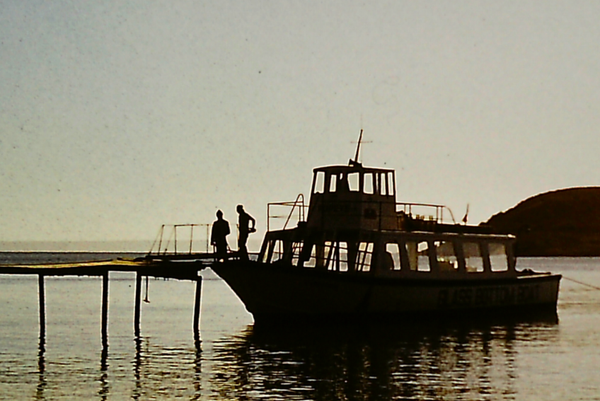
I don't know where my father took this photograph or who the figures are. But it taught me something important about storytelling, memory and the way we make meaning.
Creativity and climate — the conditions that allow good work to happen. Articles in this layer explore environment, energy, creative practice, and what leaders do to make good thinking more likely.

Creativity & Climate (Engine)
I don't know where my father took this photograph or who the figures are. But it taught me something important about storytelling, memory and the way we make meaning.
Creativity & Climate (Engine)
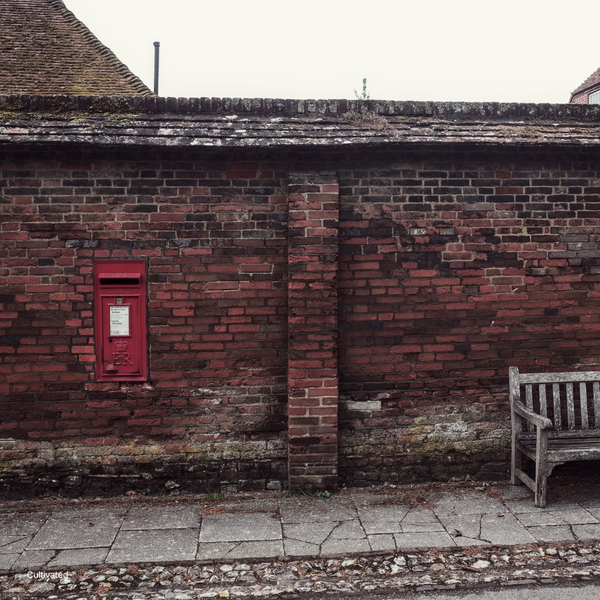
A reflection on Britain's postboxes, Anthony Trollope, and the remarkable act of trusting an invisible system for almost 175 years. And what we might learn about work.
Creativity & Climate (Engine)
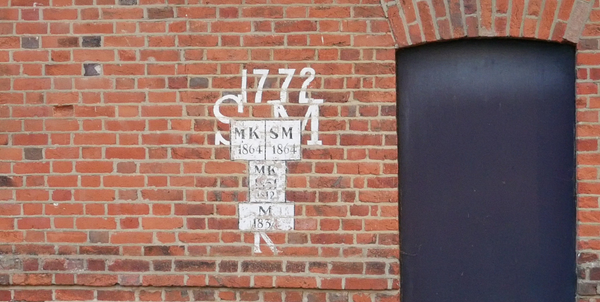
A wall in Winchester bearing initials dating back to 1772 offers a reminder that every organisation is built on decisions made by people who came before us.
Creativity & Climate (Engine)
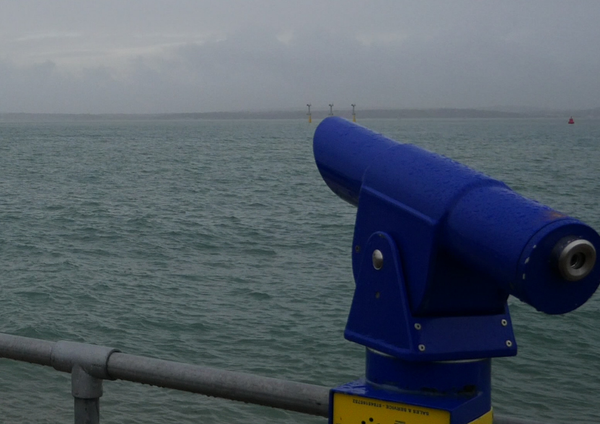
The telescope didn't improve the view at all. It just magnified the murk.
Communication (Wiring)
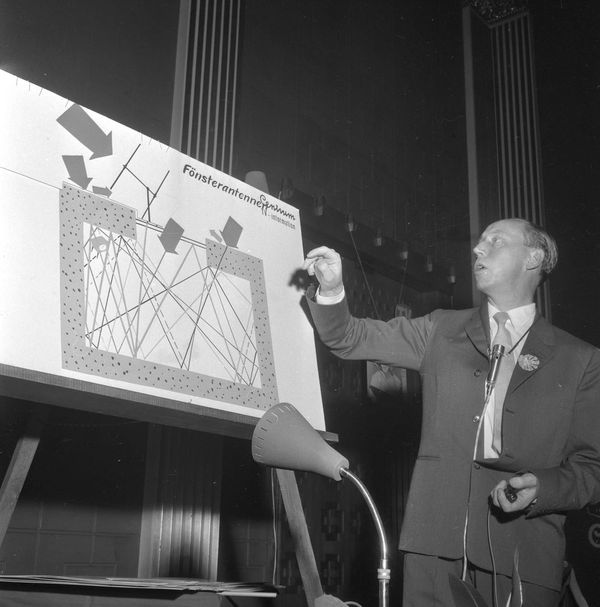
Dame Judi Dench, Louis Theroux and feeling alive on stage. The power of public speaking.

Creativity & Climate (Engine)
A lot of what underpins a business goes unnamed precisely because it often works. An episode of The Word at Work on gratitude as a form of seeing — and the question it leaves behind about what's carrying your work this week that you've stopped noticing.
Creativity & Climate (Engine)
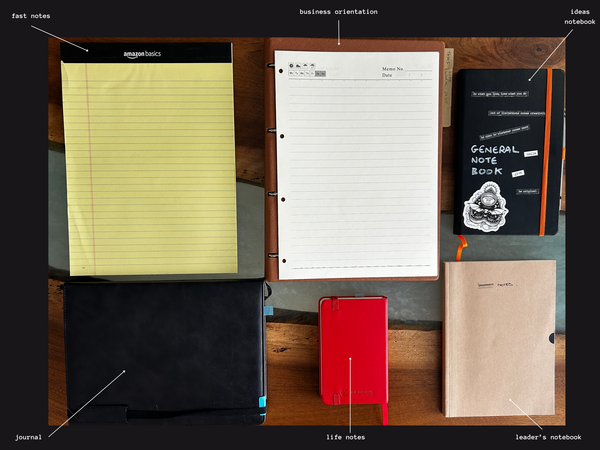
There's no perfect notebook — only the right container, with the right rules, for how long a note needs to live. Here's the method, and the six on my desk.
Creativity & Climate (Engine)
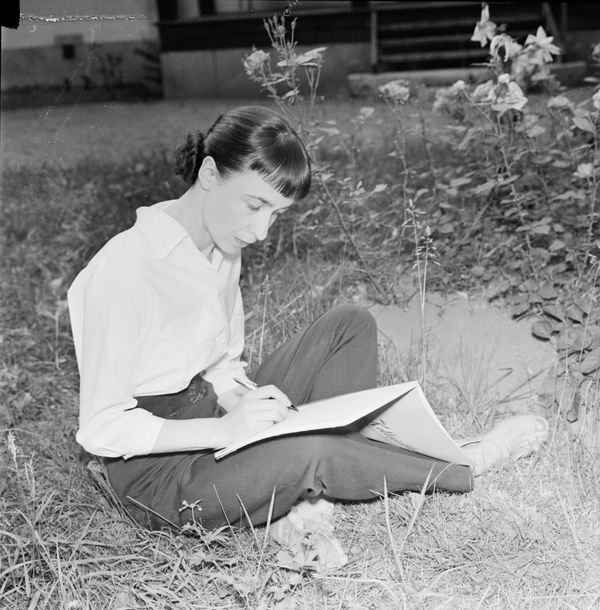
Most organisations say they want to turn ideas into value and rarely manage it. Writers do it for a living. Here's what their craft teaches us about keeping an idea's meaning alive, from seed to shipped work.
Orientation & Direction (Map)
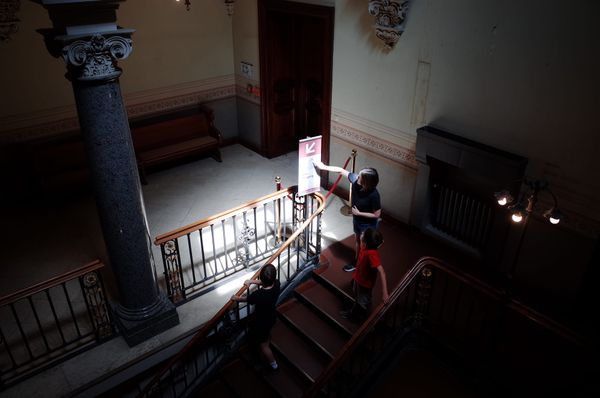
On a family trip round Europe's museums, a pattern kept surfacing: the best ones curate your attention as carefully as their objects. Here's what that has to teach the places we work — and why the most useful skill might be learning to see the room you're already in.
Creativity & Climate (Engine)
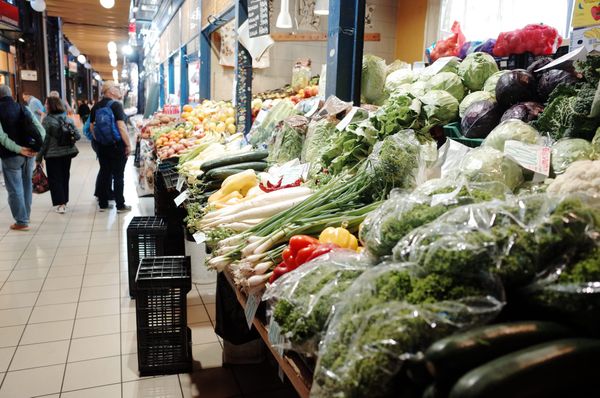
Last night I was at a new community event called The Something More Club. Three talks on running a small business, and beneath all three, the same two themes kept surfacing: human connection, and community.
Idea to Value (Physics)
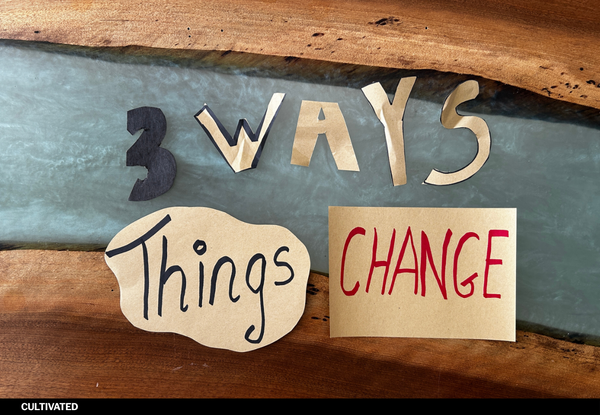
Progress isn't movement — it's seeing. What stop-motion animation reveals about how your ideas actually become valuable.
Creativity & Climate (Engine)
I bought my copy of Growing a Business second-hand. Inside the cover, in a father's handwriting to his son, was a single line: "To Todd, may this nurture the seed."