The anti-role model
We give a great deal of attention to the people we want to be like. The people we'd hate to become are teaching us something too — if we choose to look.

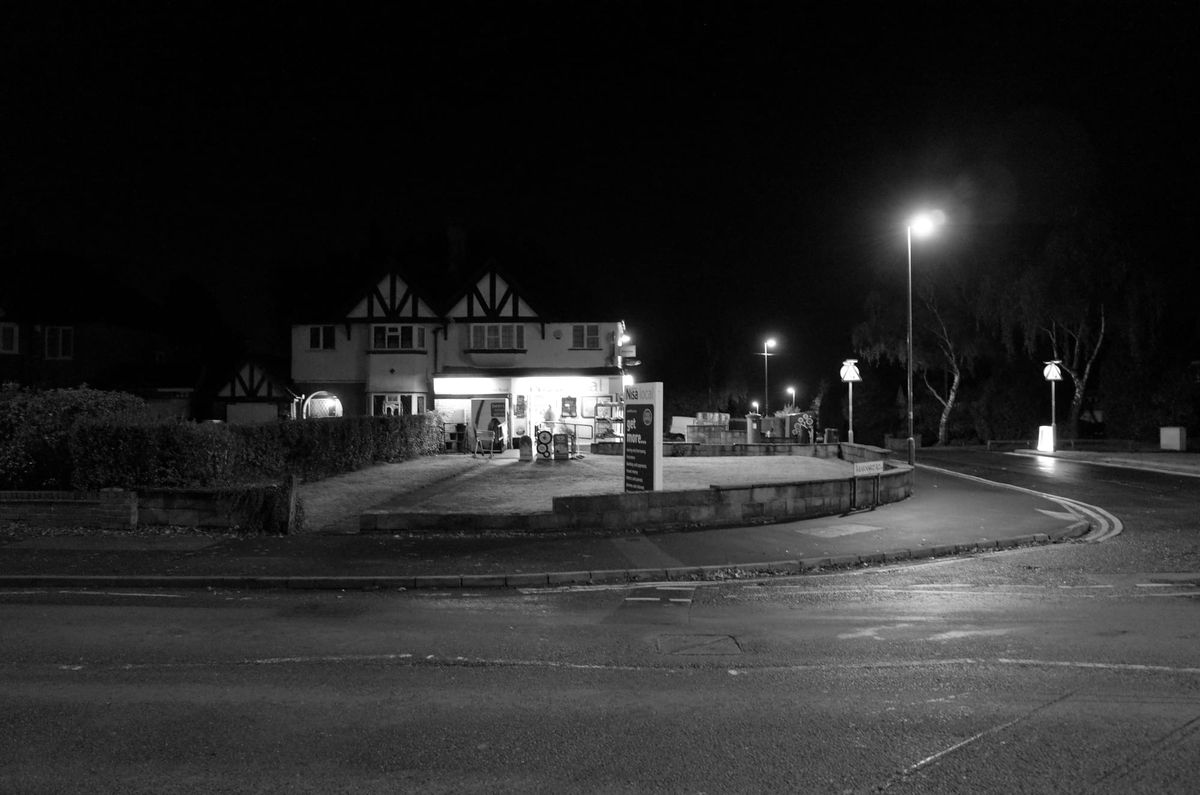
What we often learn from people we don't want to become
We called him Big Bad Pete. Never to his face, obviously.
He was the store manager of the supermarket I worked in for eight years while I was in full-time education. He was terrifying. He was angry. He was mean. And he taught me more about leadership than almost anyone I've worked for since — by being the precise opposite of a good leader.
Editor's note — where this sits
This essay is about climate — the weather a leader creates for everyone around them. The worst bosses don't only behave badly; they set the conditions other people are expected to do good work inside, and those conditions tend to be fear, silence and self-preservation. It sits in the Engine layer of the Idea to Value system — the layer concerned with creativity, climate, and the conditions that let good work happen.
The Idea to Value system — five layers
A customer once complained that the red wine selection was too limited. Pete responded by throwing a full case of it across the shop floor at her. It missed her. It did not miss the floor, which we then spent the better part of an afternoon mopping.
Head office had sent down orders to push frozen food hard over the summer, and Pete was mid rage-walk to the freezer aisle when the new recruit clocked him coming. The colour drained out of the guy. In a moment of pure fear, he opened the upright freezer, stepped in among the ice creams, and pulled the door shut behind him. Pete milled about that aisle for a good half hour, never once seeing a grown man stood by the ice lollies.
We eventually carried the recruit — rigid, blue, wedged between the Screwballs and the Twisters — over to the bakery and stood him by the ovens for twenty minutes until he thawed.
He wasn't the only one who went to extremes to avoid Pete. One colleague hid in the goods lift for an hour. Another, hearing Pete shout his name across the warehouse, threw himself down three flights of stairs and broke his ankle. On balance, he reckoned, the ankle was the better option.
Customers loathed Pete. Staff loathed Pete. And yet — the regional managers adored him. He talked confident nonsense to people who themselves thrived on confident nonsense, and so he was promoted to join them. The staff were overjoyed to see the back of him. His new peers, one imagines, rather less so.
Pete was an anti-role model. And here is the delightfully strange gift of the anti-role model: you can take almost everything they do, do the opposite, and find you've become a decent leader more or less by accident.
We tend to avoid working for the Petes of the world wherever we can, and with very good reason. But that's the catch — they're everywhere. You will meet them. You may have one now as your boss, or colleague, or direct report.
I once worked at a financial firm whose name you'd recognise. One of the account managers refused to delay a release that would have made another team look bad in front of the customer. Not for any commercial reason. Not to protect a deadline. For no reason at all — except the quiet pleasure of watching colleagues take the blame. The customer suffered. The team suffered. The business suffered. One person felt briefly, privately pleased.
At another company, the leader's preferred method of settling a disagreement was to invite whoever disagreed with him outside, to resolve it with fists. I wish I were exaggerating.
I have been threatened, intimidated and outmanoeuvred by more people in business than I'd care to count. They exist. They are real. Pretending otherwise helps no one.
But every one of them taught me something. Not by example — by warning.
That's what the anti-role model offers that the good one can't. The people we admire show us a version of ourselves to grow towards, and that matters enormously. But it's a long, often blurry climb, and on a bad day the distance between who we are and who we admire can feel just too much. The anti-role model works the other way round. They show us, with total clarity, a version of ourselves to walk away from. And walking away is something we can do today.
So we watch. We notice. We ask the only question that really matters: do I want to be like that? And then we decide.
We decide how we speak to people when we're under pressure. We decide whether we'd rather be feared or trusted. We decide who we become — not in the abstract, but in the small daily choices that, stacked up over years, quietly become a character worth building.
There's a larger point underneath all this. People like Pete don't just behave badly — they set the climate for everyone around them. They shape the conditions other people are expected to do good work inside, and those conditions tend to be fear, silence and self-preservation. So the anti-role model isn't only a lesson in who not to be. It's a lesson in the kind of climate you create for the people who will one day say your name the way we said Pete's.
We spend a great deal of time studying our positive role models — the yardsticks, the people we measure ourselves against. There's real value in that. But don't overlook the other kind. The person you'd hate to become is teaching you something too, if you're willing to look.
And if you ever do find yourself working for a Big Bad Pete — learn what you can, decide who you'd rather be, and whatever else you do, don't hide in the freezer.
From the Cultivated library — related reading
The 10 Behaviours
Guide · Digital download
Ten behaviours that quietly shape the climate around you — the practical difference between being feared and being trusted, named and made usable.
From free
Read the ten →Take a Day Off
Book · Digital & print
The counter to Pete's frantic energy — a case for stepping back, and why rest belongs inside good work rather than waiting at the end of it as a reward.
From £9.99
Explore the book →