A big collective experience of trust
A reflection on Britain's postboxes, Anthony Trollope, and the remarkable act of trusting an invisible system for almost 175 years. And what we might learn about work.

An exploration of trust - and postboxes
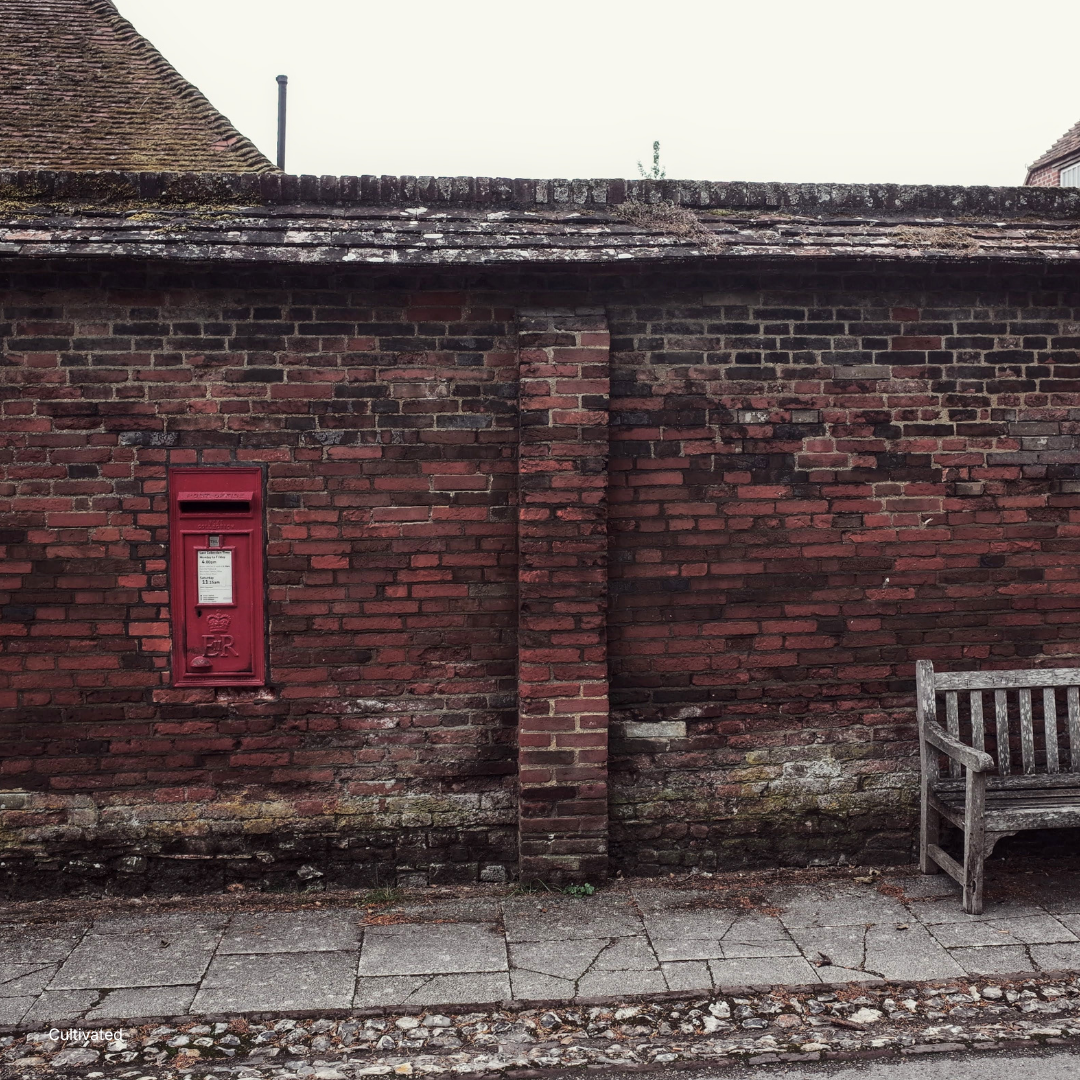
There's something remarkably compelling about a postbox. I certainly didn't ever ponder that until I sat here on this bench, within the grounds of Winchester Cathedral, and noticed that countless people were putting envelopes and parcels into the box, and trusting the system and people that ran behind it.
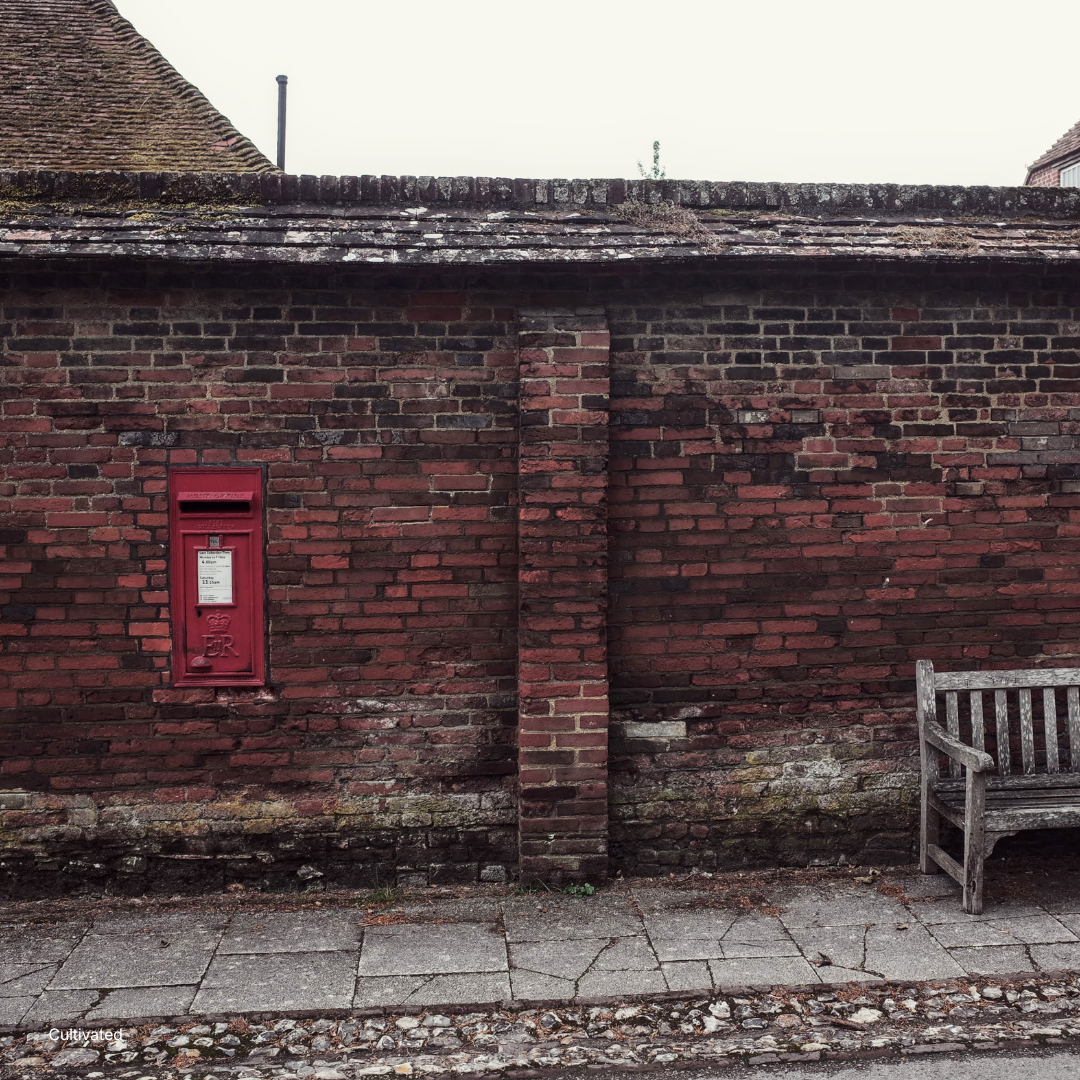
Post boxes are interesting, not because of what they are nor what they are made of, but because of what it asks of us.
Postboxes in Britain were introduced by Anthony Trollope, yes the author, who had seen them after visiting France (He also happened to work for the postal service).
They arrived in 1852 in Jersey and Guernsey first before making it onto the mainland in 1853. Rather pleasingly we've spent almost two centuries placing important things into cast-iron boxes and trusting an invisible network of people to do the right thing. Which, if you've used Royal Mail, doesn't always go to plan.
The postal service might be one of the greatest exercises in collective trust ever devised. It's an extraordinary thing when you stop to think about it.
The 1840 Postal Reform Act brought people cheaper ways to post mail and self-adhesive stamps, which brought the ability to post letters to everybody who could afford a stamp. The problem was there were very few post offices, especially for those in rural locations.
The postbox changed all of that – these little locked boxes reduced the friction of posting. They were conveniently located for most people, and usable all day and night. You posted your letter and moved on with your day, trusting it would eventually get to where you sent it.
In fact, not a lot has changed since Victorian time and many thousands of original Victorian mailboxes are actually still in use across the UK.
They were also originally green. The green colour though, in a land of fields and greenery, created a problem – people couldn't find them. As such, a decision was made to make them the bright red they still are today.
Every postbox carries the cipher of the monarch who commissioned it. Walk through Britain long enough and you can read two centuries of history embossed in cast iron.
The postbox, unlike the phone box which appears to have almost completely disappeared from many streets, seems to improve with age. They show the layering of history and design decisions forming a new chapter each time they are repaired, or updated.
And believe it or not, there are plenty of people cataloguing and writing about the humble postbox – like this group called the Letter Box Study Group. Keep up the good work.
Every day millions of people in the UK post things into the red boxes, trusting that the address system, and the people in the system, will navigate the things we post to the right place.
It's an odd thing to contemplate really. A metal box, in the street, posting something important into it, and what we post moving through time and space to arrive where it should.
Of course, Royal Mail has spent the last twenty years reminding us that trust and effectiveness are not necessarily the same thing.
But, we don't hover over the postbox waiting for an update, we don't ask the postperson for an ETA when they collect it and we don't badger the postbox for a status presentation.
Unless we posted via some form of recorded delivery we have no dashboard to check every few minutes, no reports to download, no people to badger about an update. We post. We accept the friction. We appreciate the complexity involved – and therefore that there may be delays. And we trust it to happen.
I sometimes wonder if work suffers from the opposite problem. We've built systems we don't trust, staffed by people we hired ourselves (who we may also not trust), and then spend our days asking for updates on updates.
The Victorians, meanwhile, were apparently content to put a letter in a red box and get on with their afternoon. There's something pleasingly human about that.
Anthony Trollope introduced postboxes to Britain after seeing them in France. Nearly 175 years later, we're still placing important things into cast iron boxes and trusting strangers to carry them where they need to go.
That's quite a legacy for a novelist.
Where this sits in the Atlas
Orientation·Idea to Value·Communication·Creativity & Climate·Learning
Bibliography
 Historic England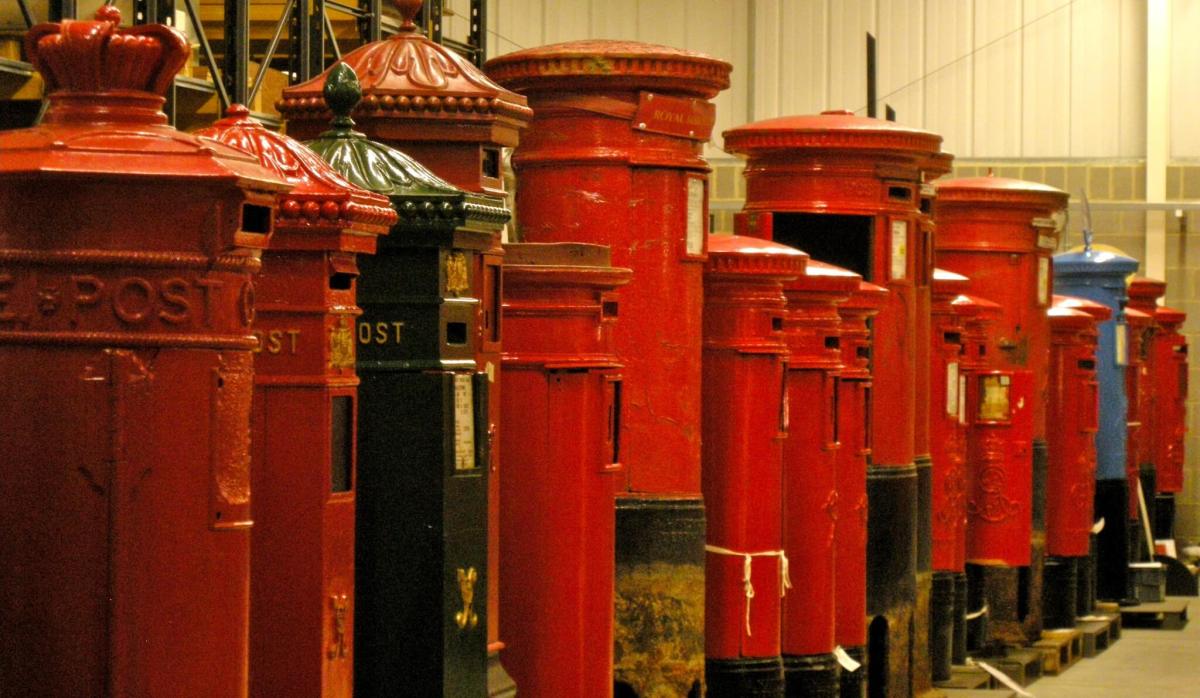


 Luke Addington