What the word amateur actually means — and why Vivian Maier earned it
I got called an amateur the other week. The person using the word was trying to insult me. I was, if I'm honest, remarkably pleased.
Because amateur isn't an insult. Not really.
That's what we'll explore here.
The Word at Work — series note
Each episode in this series takes a word we use every day at work and traces it back to its origins. This sits in the Engine layer of the Idea to Value system — the layer concerned with creativity, climate, and the conditions that let good work happen.
The Origin
The word comes from the Latin amator — lover. It arrived in English by way of French, and it meant exactly what it sounds like it should mean: someone who does a thing for the love of it. No payment. No audience. No career plan. Just the thing itself, and the pull toward it.
A nanny with 150,000 photographs
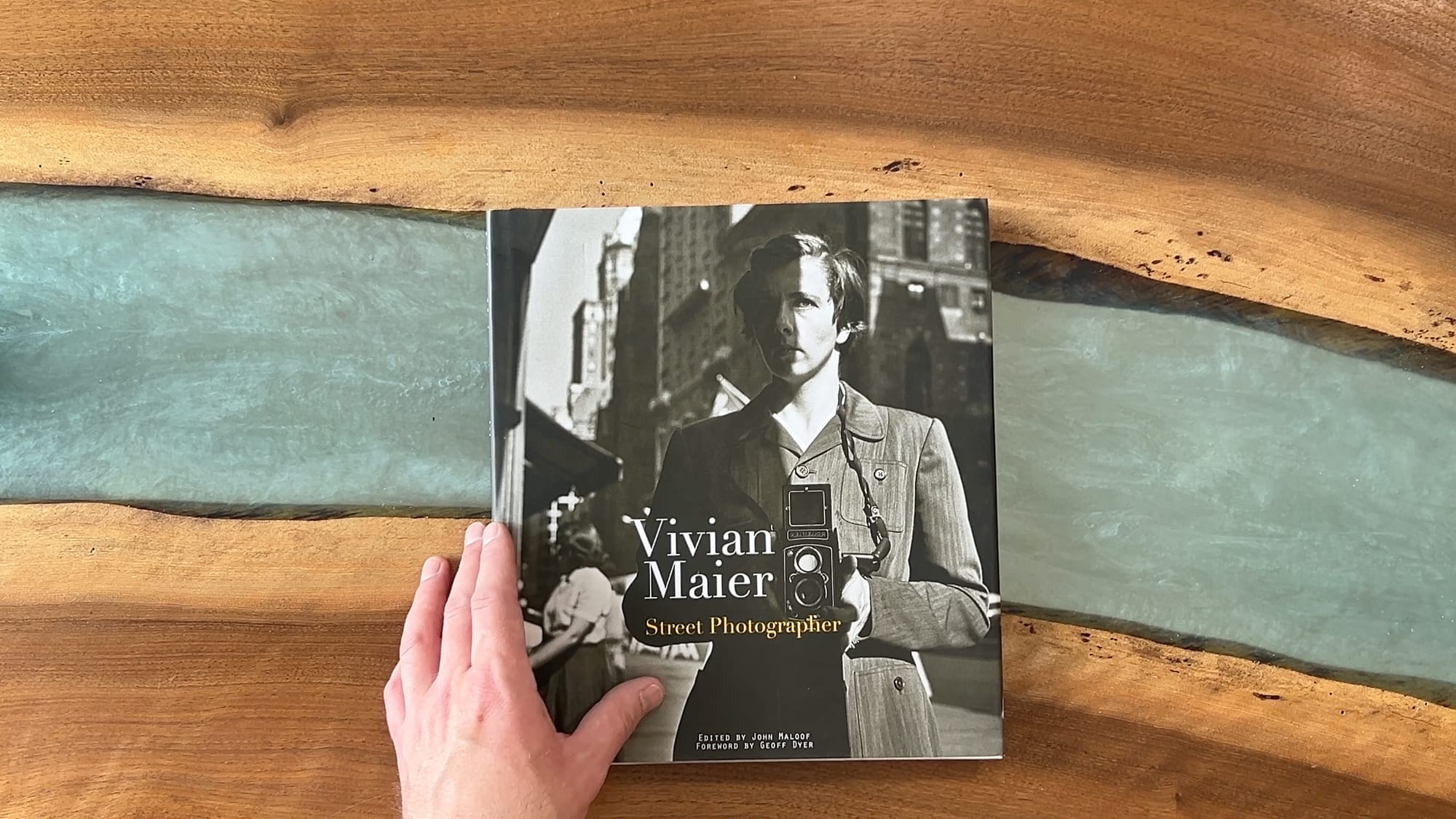
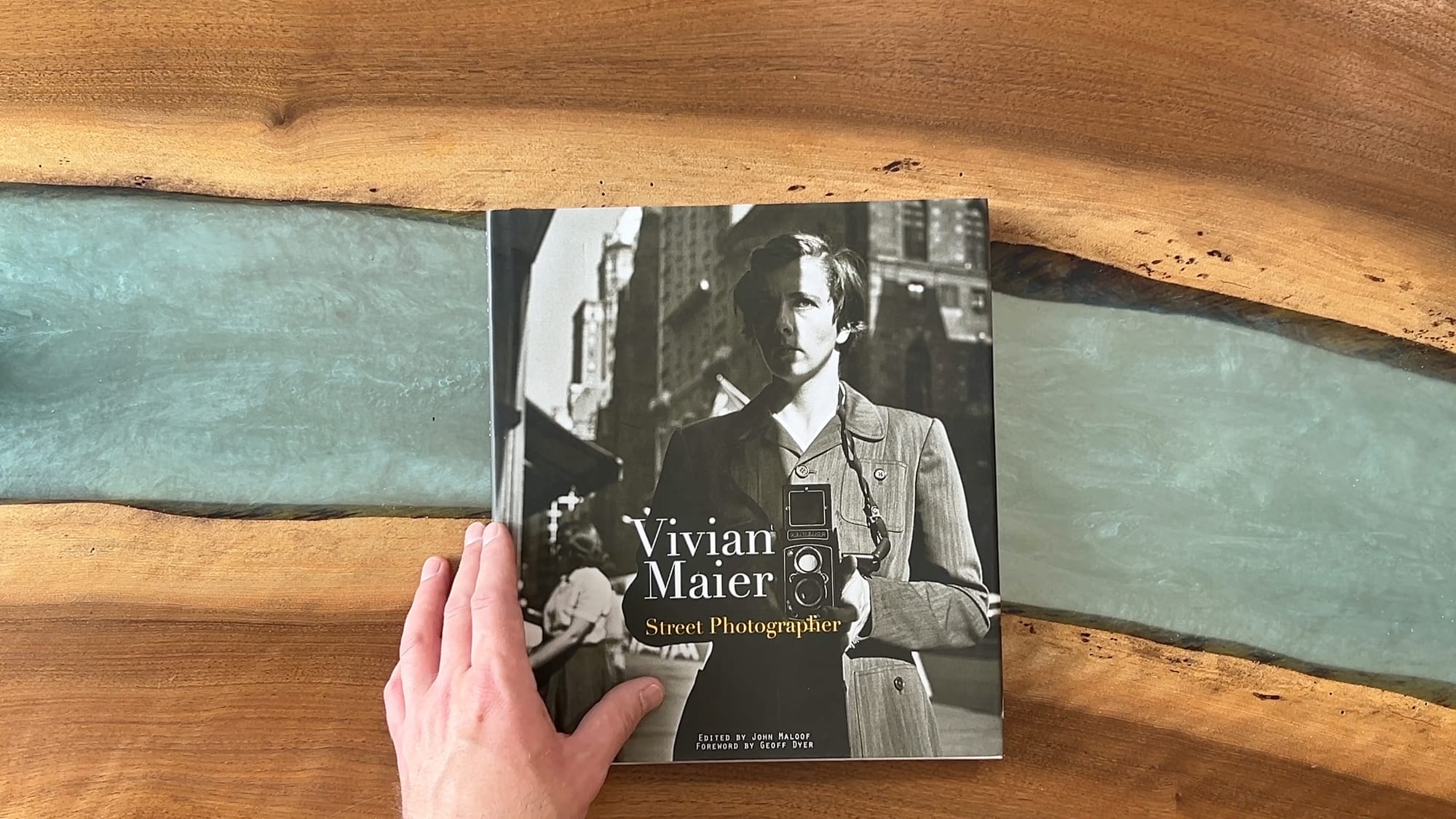
One of my favourite photography books sits on my coffee table — the work of Vivian Maier, full of extraordinary street scenes from twentieth-century Chicago. Vivian Maier was a nanny. She worked for families there for most of her adult life. She was also, by any serious measure, one of the finest street photographers of her century.
She shot over 150,000 frames. Fewer than 5% were ever developed while she was alive. She never published. Never exhibited. Never showed a single person what she'd made.
When she died in 2009, her archive — negatives, undeveloped rolls, prints — ended up in a storage locker auctioned off over unpaid bills. A collector named John Maloof bought a box of negatives without knowing what was in it. That's how the world found out what Vivian Maier had been doing in private for fifty years.
She was an amateur in the truest sense of the word. She did it for love. And that love produced a body of work that now hangs in galleries, fills books, and was the subject of an Academy Award-nominated documentary.
What we do with the word at work
We use amateur differently in organisations. We often use it to dismiss people — those still learning, still finding their way, still doing something for the first time. Sometimes we use it simply for someone who isn't very good yet. We use it as an insult, as if not-yet-knowing were the problem, rather than the starting point of every learning journey there has ever been.
But every expert was once an amateur.
The question is never whether someone is at the beginning. It's whether they love the thing enough to stay with it.
Vivian Maier loved it enough to shoot 150,000 frames with no expectation that anyone would ever see a single one.
An amateur is not a bad thing. It isn't a lack of professionalism. It's a love for what you do. That's what professionalism, at its best, is trying to get back to. That's what we all wish our work had more of. It's what great companies nurture intently - a love for what we do, and creating space and time with it long enough for professional competency to develop.
About this series
The Word at Work is a regular series on the Cultivated channel. Each episode takes a word we use every day at work and traces it back to its origins — because the history of a word usually reveals something the modern usage has quietly forgotten.