Lacking Context — How We Turn Fragments Into Meaning
Old photographs rarely come with explanations. They arrive as fragments—places, faces, moments—detached from the intentions of the person who took them.

Lacking Context
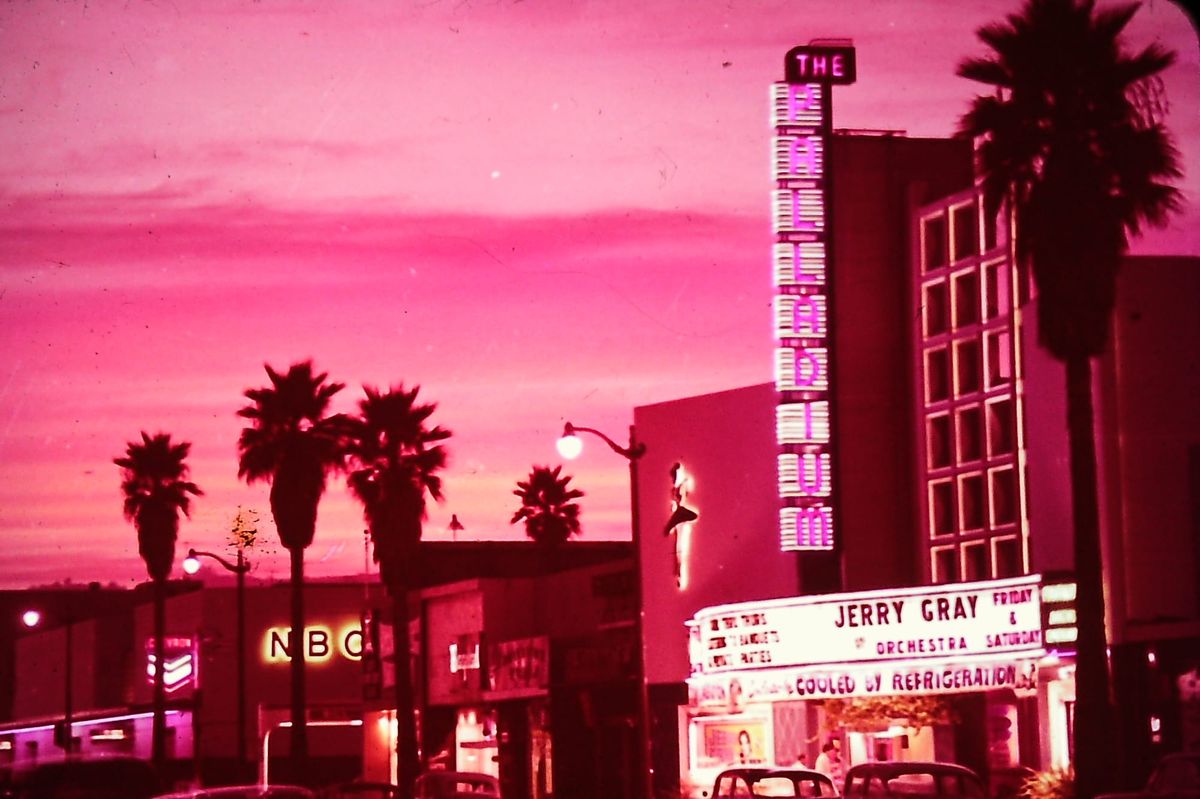
Among some of my dad’s photos were a handful taken by my grandparents.
They stopped me in my tracks.
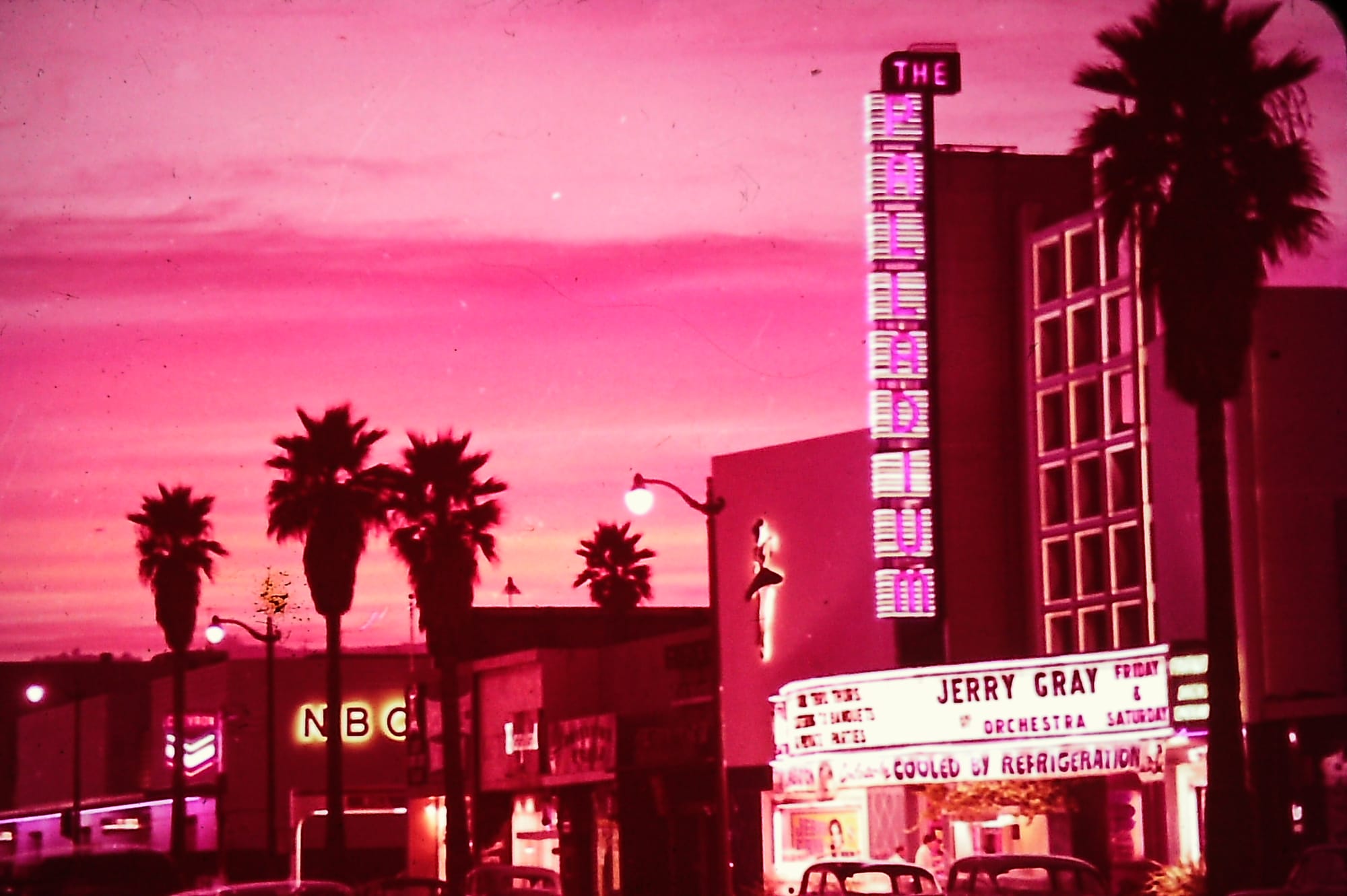
Mid-century America
— cars with long fins, theatres glowing at night, men in blazers crossing wide streets.
The colours were strange, the negatives imperfect, the frames slightly blurred. Something in the film or the processing had gone wrong.
And that was the point.
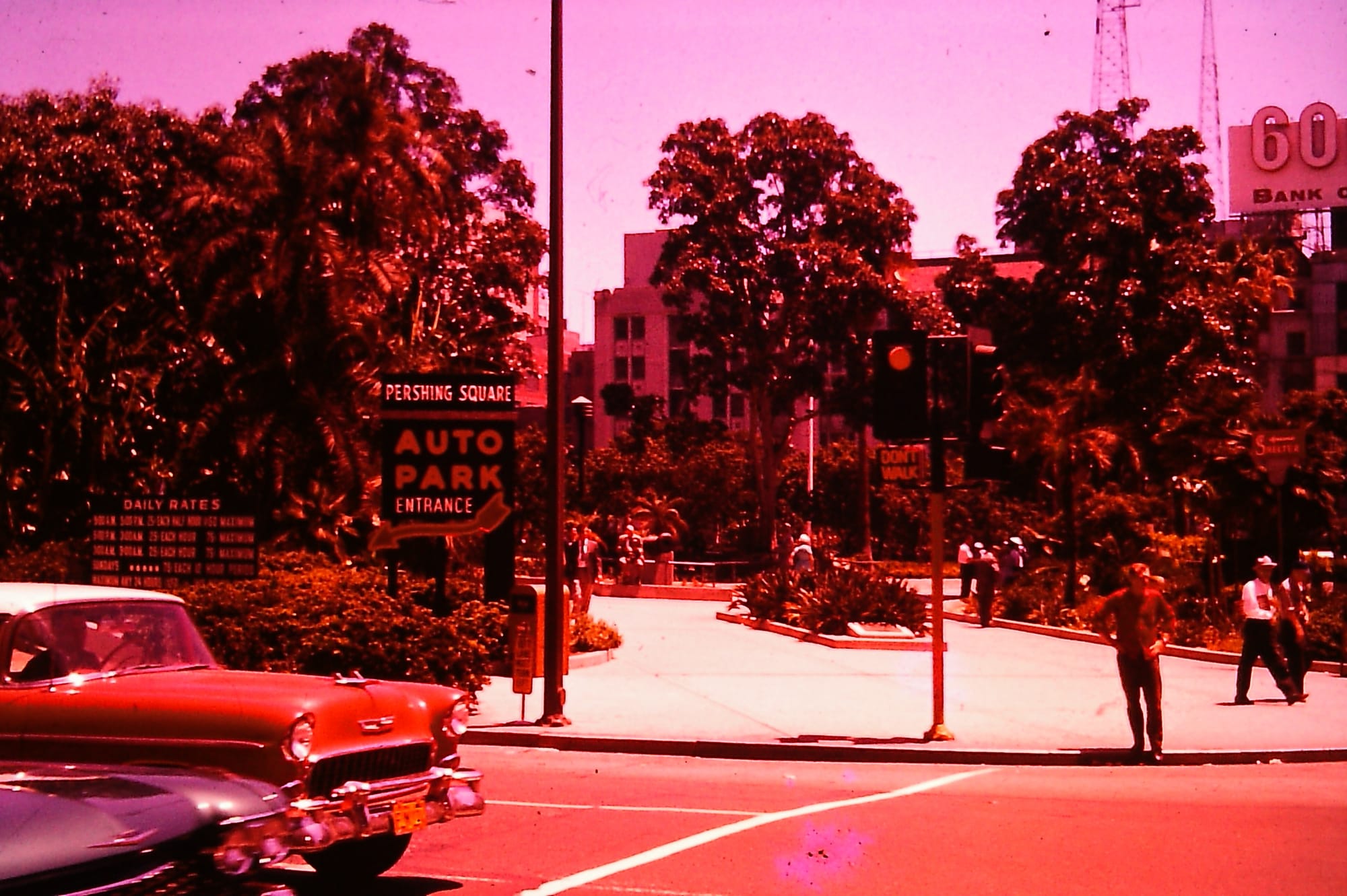
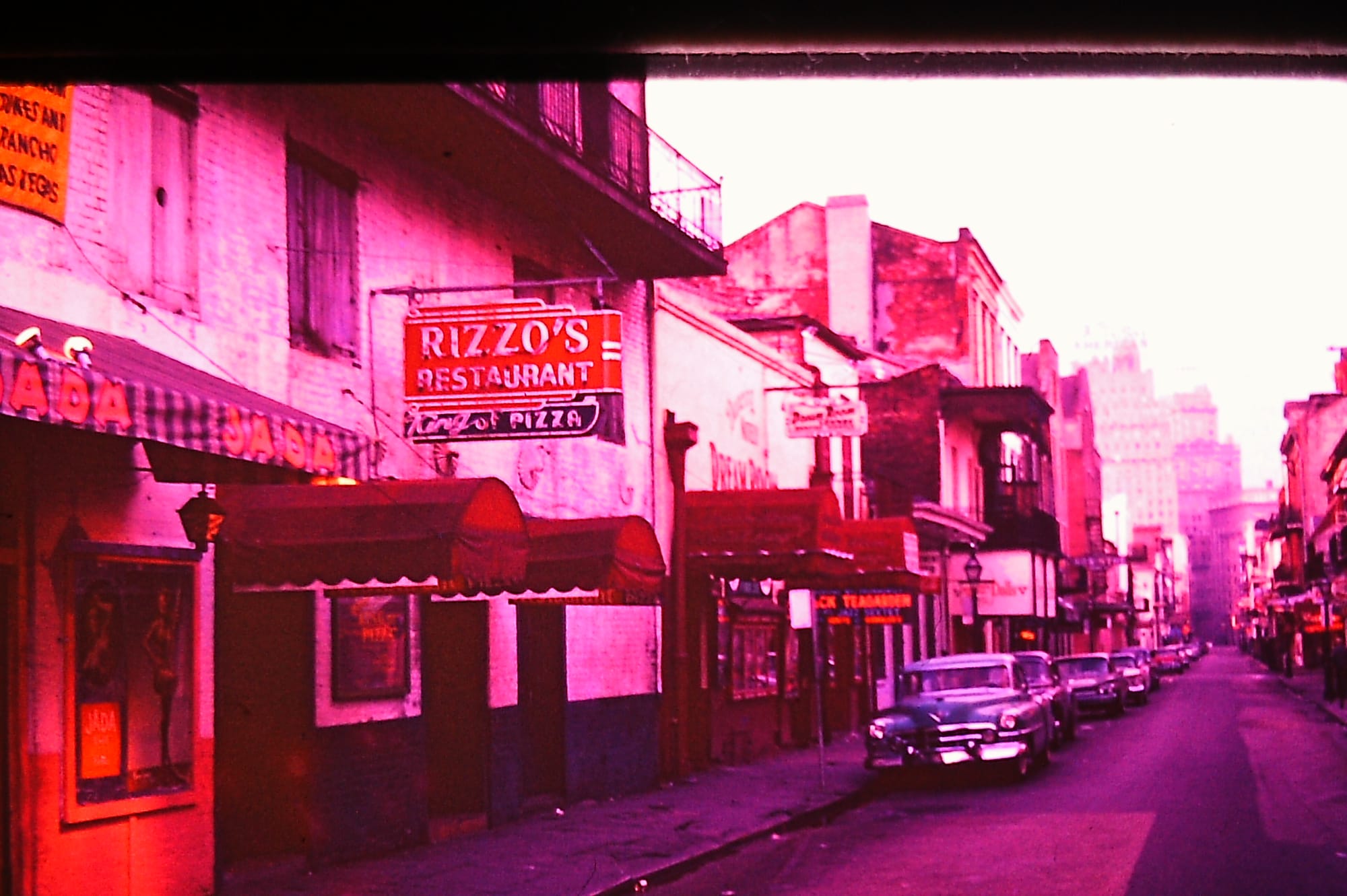
Modern photography is obsessed with clarity and perfection. These images were neither. They were gritty, slightly broken, alive.
They felt more honest than many of the images we make today.
So I began to trace them.