Fall Down Seven Times: On Resilience, Perspective, and Standing Again
Resilience isn't grit or stoicism. It's a practice of perspective — the quiet, repeated act of standing up one more time. On failure, recovery, and continuation.

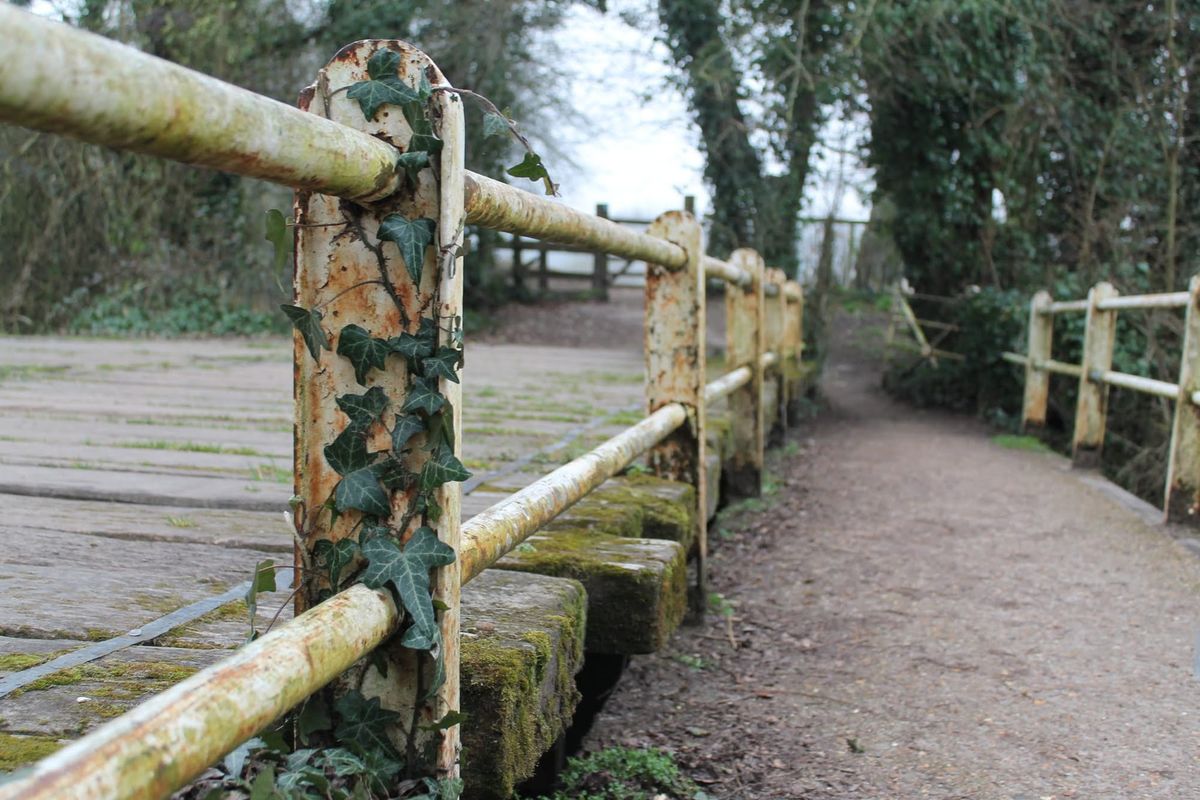
“Fall down seven times, stand up eight.”
It’s a Japanese proverb about persistence.
I have it printed and pinned to the wall where I work.
Not as motivation.
As orientation.
It reminds me that failure isn’t permanent — unless we decide it is.
What Resilience Actually Is — and What It Is Not
There are moments in work, and in life, when you find yourself on the floor.
Not literally — though sometimes it feels that way — but psychologically, emotionally, professionally.
A project unravels.
A decision backfires.
A relationship frays.
A season stretches longer than expected.
The fall itself is rarely the real problem.
It’s what we tell ourselves while we’re down there.
I’ve never believed resilience is something you either have or don’t.
It’s not a personality trait.
It’s not stoicism.
It’s not endless grit.
It’s a practice of perspective.
When things go wrong, my instinct is to write.
Not every day. Not religiously.
Just enough to stop the story from hardening.
What actually happened?
What’s in my control?
What isn’t?
What could be done differently next time?
Failure feels permanent when it’s left unexamined.
Once it’s named, it loosens its grip.
The same is true at work.
A failed release.
A missed deadline.
A difficult meeting that lands badly.
They aren’t verdicts.
They’re events.
At home, this matters even more.
When my kids make mistakes — and they do, daily — I’m conscious of what I model.
Not perfection.
Recovery.
Standing up matters more than avoiding the fall.
They’re always watching which one you prioritise.
When I’m properly stuck — when perspective collapses — I often reach for other people’s stories.
Not the polished ones.
The honest ones.
People who kept going.
People who adapted.
People who didn’t win quickly, or cleanly, or publicly.
It’s a quiet reminder:
you’re not uniquely failing.
you’re participating.
One of the most useful shifts I’ve learnt is to stop labelling moments as good or bad.
They’re just moments.
This isn’t emotional detachment — it’s mental hygiene.
A setback at work becomes a question instead of a judgement:
What now?
What can we learn?
What’s the next small move?
That single shift changes everything.
There’s a word I return to often: maybe.
Maybe this isn’t the end.
Maybe it’s information.
Maybe it’s a redirection.
Maybe it’s a slower beginning.
Alan Watts spoke beautifully about this — how our insistence on immediate meaning often creates unnecessary suffering.
Certainty can be heavier than doubt.
When thinking loops tighten, I go outside.
Not for mindfulness.
For scale.
A short walk.
A field.
Wind through trees.
Problems don’t disappear — but they shrink to human size again.
Nature has a way of reminding you that continuation is normal.
Growth includes breakage.
Seasons change without commentary.
Resilience, I’ve learnt, isn’t dramatic.
It doesn’t announce itself.
It doesn’t post updates.
It looks like:
- returning to the work
- repairing what broke
- asking better questions
- trying again, slightly differently
Standing up doesn’t require confidence.
Just movement.
And sometimes standing up means asking for help.
That matters too.
If you’re struggling — properly struggling — support exists, and using it is not failure.
In the UK, NHS services are there for exactly this reason.
Continuation doesn’t have to be solitary.
I keep that proverb on the wall not to remind myself to be strong —
but to remember the arithmetic.
You only need to stand up one more time than you fall.
That’s it.
Fall.
Stand.
Continue.
From the Cultivated library
Take this further
Take a Day Off
This essay is about standing back up. Take a Day Off is about the permission to step back in the first place — the case for rest, recovery, and protecting the time that makes sustained work possible. Digital and print editions available.
Get the book →