

There is a Japanese word for the regret that something of value never got the chance to become what it could have been.
Cultivated
Cultivated helps people see their work — and its value — differently.






Read Our Latest Posts
Latest Posts
229 Posts

John Wooden’s legacy wasn’t built on winning alone. It was built on behaviour, teaching, and an unwavering belief that how you show up each day matters more than the scoreboard.
Flywheel — Learning & Practice
|
Oct 01, 2020

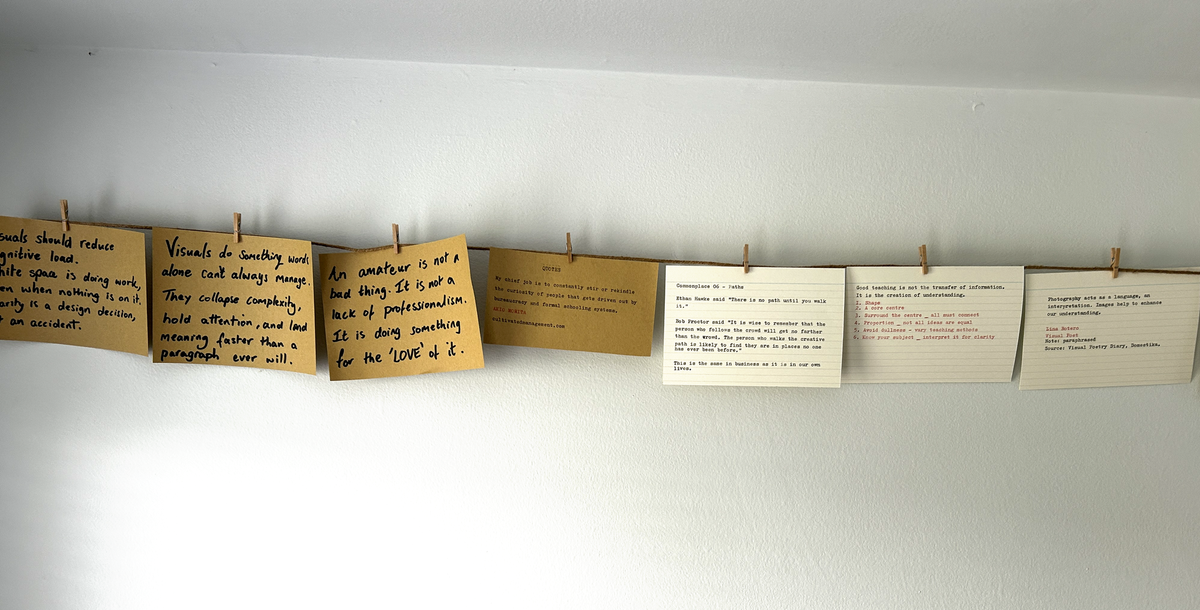
For many years I have kept a notebook I call my commonplace book. It is not a diary, not a planner, not a system for getting things done. It is a personal library for thinking — a place where ideas wait until they are needed.
Engine — Creativity & Climate
|
Sep 29, 2020
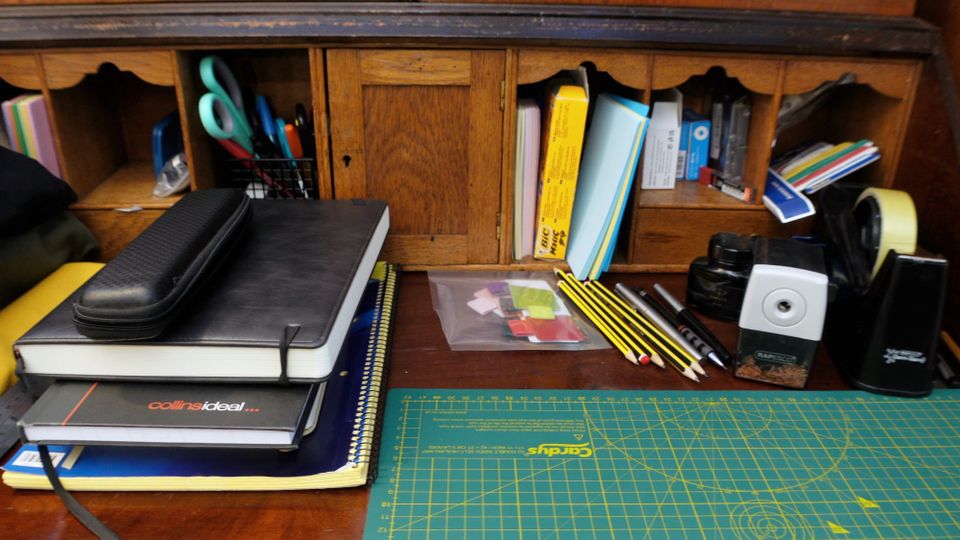
Journaling has been a lifeline for me — not in a dramatic way, but in a quiet, steady one. It changed how I think, how I lead, and how I process the things that would otherwise carry me off course
Engine — Creativity & Climate
|
Sep 11, 2020

One of the questions I am asked most often is simple: how do I become a leader? There is no single answer. But over the years I have developed fourteen principles that guide how I try to lead.
Engine — Creativity & Climate
|
Sep 04, 2020

“Hire fast, fire fast” sounds efficient, but it’s often a shortcut to fear, churn, and reputational damage. A better standard is slower hiring, clearer expectations, and faster, fairer decisions when it’s not working
Flywheel — Learning & Practice
|
Aug 08, 2020

Learning does not happen by collecting information. It happens by turning experience into understanding. This essay outlines the personal knowledge system I use to do exactly that.
Engine — Creativity & Climate
|
Aug 06, 2020

Almost every organisation now claims to be transforming its culture. Around 70 percent of those efforts deliver no meaningful change. The reason is rarely complexity — it is a misunderstanding of what culture actually is.
Engine — Creativity & Climate
|
Jul 28, 2020

Hiring is one of the most expensive decisions any organisation makes — and one of the least carefully designed. It shapes culture, capability, and morale for years. It does not have to be treated as an afterthought.
Physics — Idea to Value
|
Jul 14, 2020

The most powerful question at work — and the critical thinking discipline that makes it stick. Why clarity about the problem must come before solutions, plans, or action.
Browse by Tags
14 Tags