Full Name
Rob Lambert
Rob Lambert's Work
231 Posts

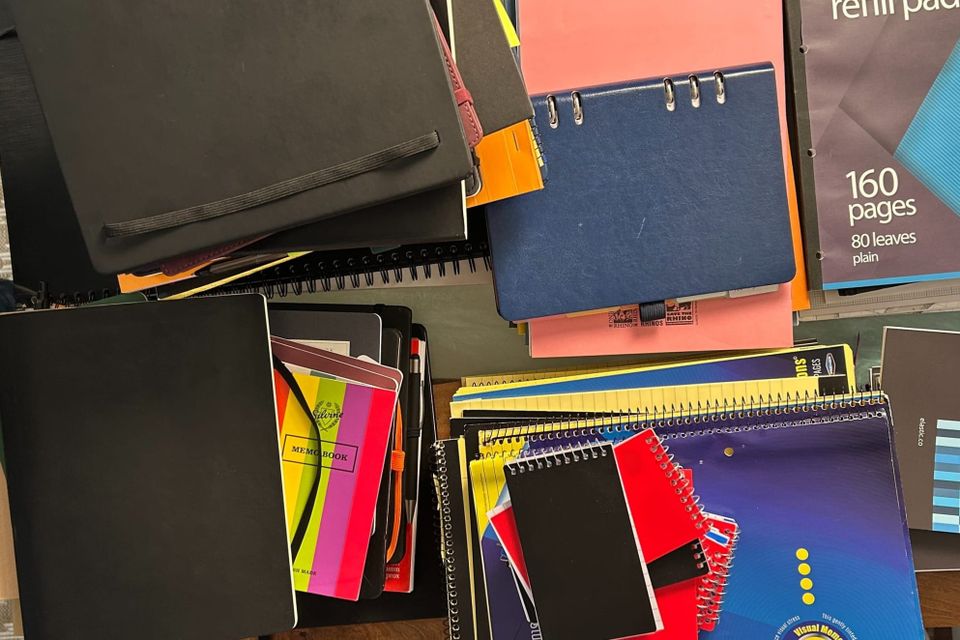
I discovered the Cornell Note-Taking Method over a decade ago and promptly ignored it. It sounded dull and academic. Then I tried it properly. I have not really stopped since.

Some people communicate like vending machines — same input, same output, regardless of context. And then there are those who seem to have presence. The difference is adaptability. Here is how to develop it.

Last week my wife and I went out for a meal at our local pub. It was our anniversary. The experience delivered the opposite of everything we were paying for — not through malice, but through a series of cost decisions made without reference to purpose. Layer tag: The physics

Before anyone puts pen to paper, the same things happen every time. Laughter. Nervous smiles. A low hum of anxiety. Then the disclaimers arrive. The drawing exercise is simple. What it reveals about fear and the creative process is not.
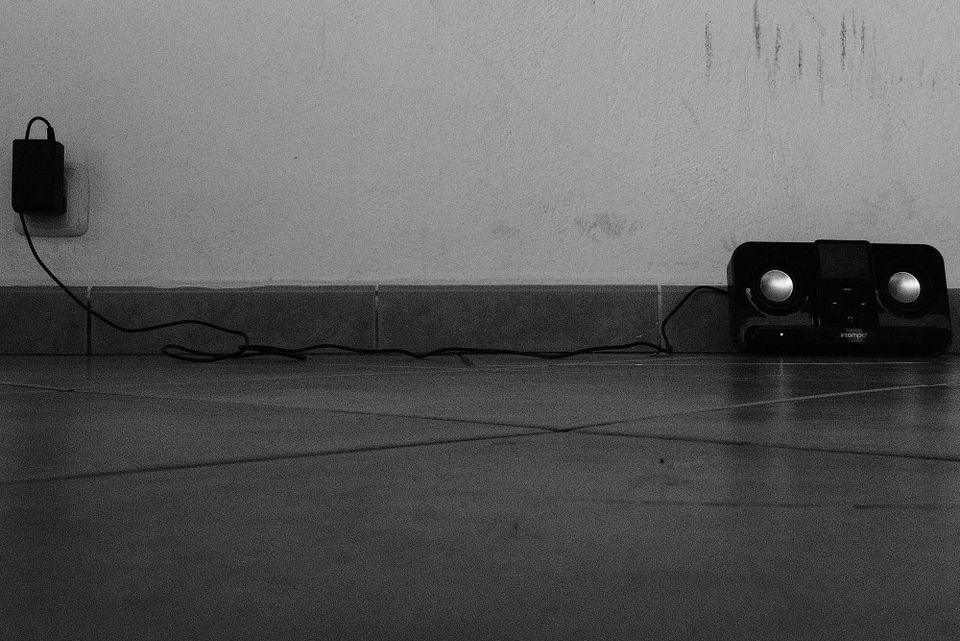
Whenever we communicate, noise gets in the way. Understanding the different types of noise — and how they distort meaning — is one of the most important communication skills managers can develop.
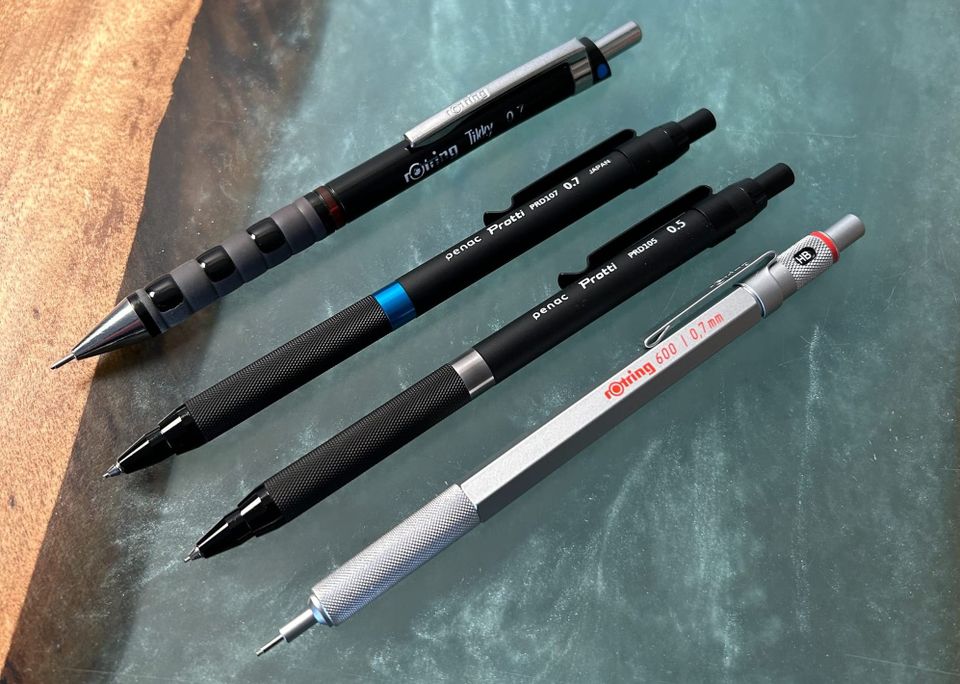
Slowing down learning is sometimes the fastest way to grow. This essay explores why analogue tools help turn information into knowledge — and why a personal knowledge system should change behaviour, not just store notes.

This is not a desk tour. It is an explanation of why the studio exists at all — and an invitation to join what happens inside it.

I won't pretend this came from a place of balance. My pillars of life had drifted. So I took a weekend retreat — not the romantic kind — to finally start a decade-old project. What I found was not peace. It was clarity.

No matter your role or industry, you are in customer service. Every decision made inside an organisation eventually becomes visible to a customer. This essay explores the eight places service is actually shaped.