What a Weekend Retreat Taught Me About Creating Space
I won't pretend this came from a place of balance. My pillars of life had drifted. So I took a weekend retreat — not the romantic kind — to finally start a decade-old project. What I found was not peace. It was clarity.

What a Weekend Retreat Taught Me About Creating Space
I won't pretend this came from a place of balance.
My pillars of life had drifted out of alignment. Work was heavy. Lockdown had left a residue I hadn't fully acknowledged. And beneath it all was a persistent feeling that I should be creating more — combined with a quiet fear about what that might actually mean.
So I took a weekend retreat.
Not the romantic kind. No monastery. No digital detox on a cliff somewhere. Just a small Airbnb in Essendon, Hertfordshire, a bag of recording gear, and a single clear intention: to finally launch the podcast I'd been circling for over a decade.
The work itself wasn't new. The hesitation was.
For years I'd been afraid to begin. Afraid of being seen. Afraid it would distract from the "proper" consulting work. Afraid that starting would mean committing — and committing might mean producing something that fell publicly short. So the idea sat, and sat, and sat.
I gave it a weekend.
What I actually planned — and what actually happened
I ignored the standard personal retreat advice — no goals, no agenda, let yourself be carried by nature and quiet. That approach does not work for me. My mind wanders badly without something concrete to push against, so I set myself a goal that was probably unrealistic: record 50 podcast episodes over the weekend.
I recorded 23. Plus some how-to videos. Plus photographs. Plus a fair amount of time sitting in the garden watching the sunset with a pen and paper.
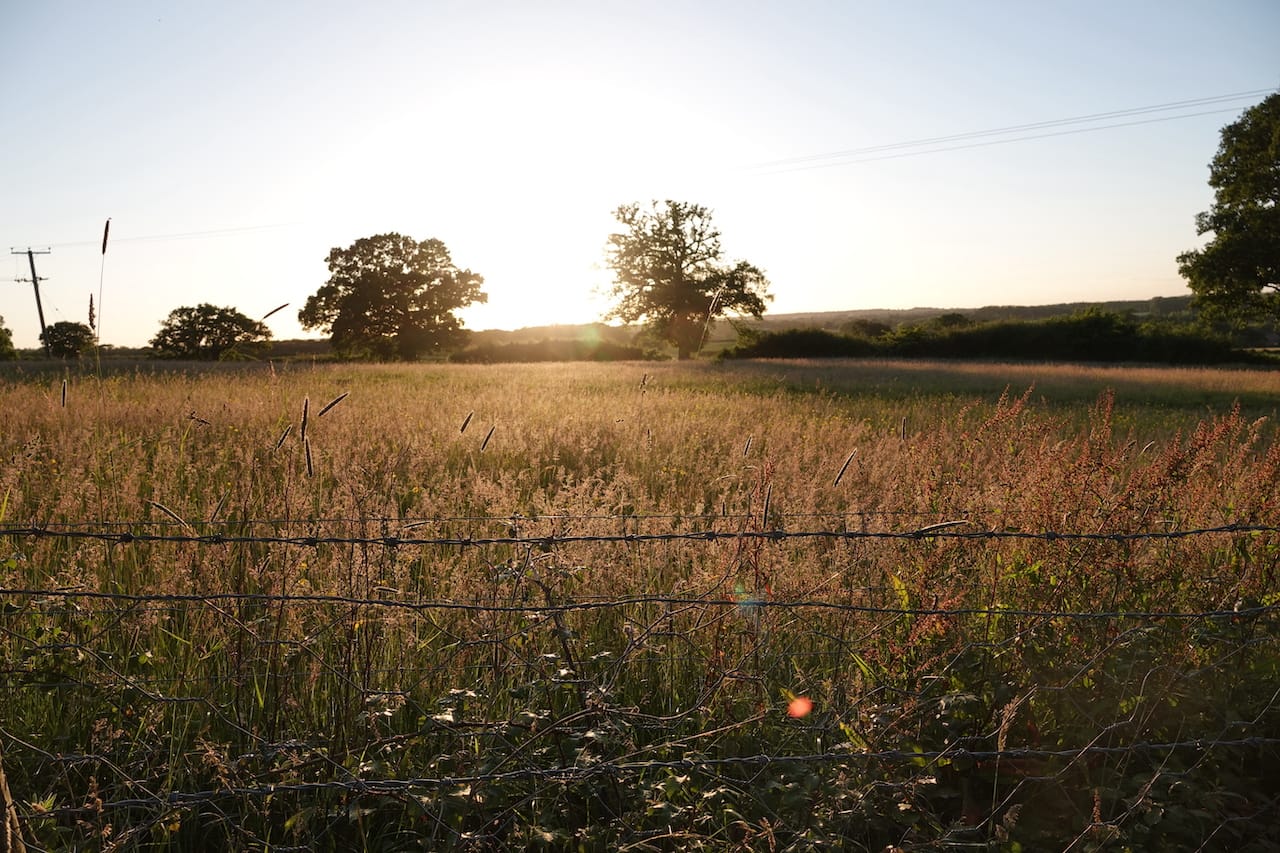
The Airbnb was tiny — I cannot overstate how small it was. A country road ran directly past it, and appeared to be a favourite route for motorcycles and sports cars with loud exhausts. It was not peaceful in any conventional sense.
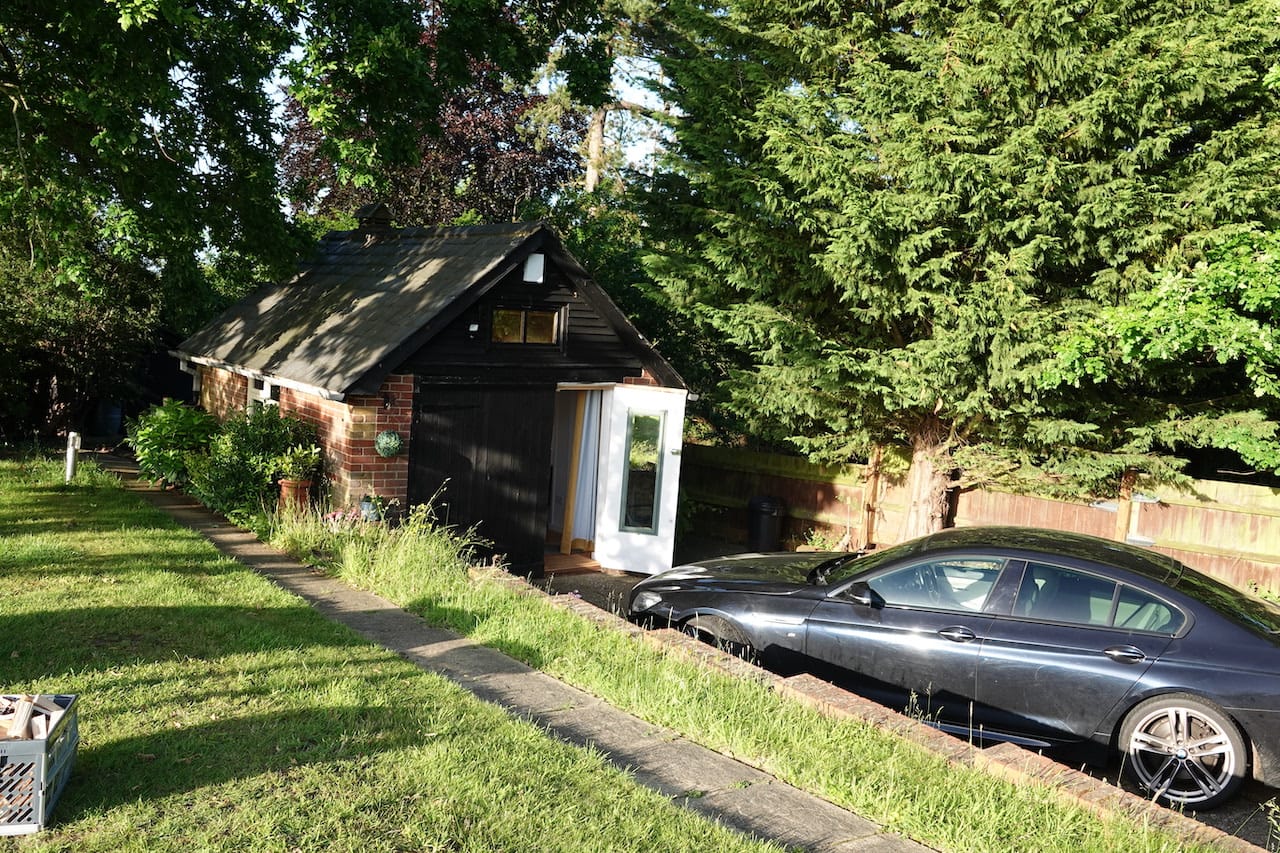
And yet something shifted.
Not because everything went smoothly — it didn't — but because I stayed with the discomfort long enough to see it clearly. The noise, the imperfect plan, the gap between 50 and 23 — none of it mattered as much as I thought it would. What mattered was that I had removed myself from my usual environment and given myself nowhere to hide.
Changing location does not change who you are. It simply removes the familiar distractions that allow you to keep avoiding the thing you need to do.
As Jon Kabat-Zinn observed:
wherever you go, there you are.
What the retreat actually taught me
Fear loses power when you sit with it.
The hesitation I'd carried for over a decade did not survive the weekend intact. It was not resolved — I did not suddenly feel fearless — but it was reduced to a manageable size simply by beginning. The imagined consequences of starting were far larger than the actual consequences of starting.
Momentum comes from starting, not planning.
The 10 years of thinking about the podcast produced nothing. The weekend of imperfect recording produced 23 episodes. This is not an argument against planning — it is an argument against planning as a substitute for doing. At some point the next sensible step is to make something, not think about making it.
Creative work often needs constraint, not freedom.
Unlimited time and no agenda is not liberating — it is paralyzing. The clear goal, even the unrealistic one, gave me something to work against. The tiny room meant I couldn't spread out and pretend I was "setting up." The limited weekend meant I couldn't defer to tomorrow. Constraint is an underrated creative tool.
Retreats are not escapes. They are mirrors.
I had imagined I would feel calmer and more confident away from the usual pressures. What I actually found was a clearer view of what I'd been avoiding — and why. The retreat didn't make the fear go away. It made it visible enough to work with.
What I'd do differently — and what I'd recommend
For anyone considering their own retreat — whether creative, strategic, or simply restorative — the wish-list I came away with:
Somewhere cheap and functional near nature, with outdoor space if possible. A fire-pit or garden makes a significant difference. A good pub within walking distance is not optional.
A clear creative goal, but sized honestly. 50 episodes was too ambitious — it added performance anxiety rather than momentum. Something achievable but stretching is better.
Minimal gear. I took more equipment than I needed and spent time managing it. Take just enough to do the job.
Paper, pens, something to doodle with. The unstructured reflection time — sunset watching, sketching — was more valuable than I expected.
Limited but not zero connectivity. No internet accelerated my focus dramatically, though I'd probably allow some access next time for practical reasons.
Why this matters beyond the personal
The lessons from a weekend retreat transfer directly to creative and knowledge work of any kind.
We talk a lot in management about creating the conditions for good work to happen — the right climate, the right feedback, the right space for people to think. What I discovered over that weekend is that the same principles apply to individuals.
Good work rarely emerges from crowded schedules, constant availability, and the absence of genuine thinking time.
The retreat was not an indulgence. It was a working condition — one I had denied myself for years in the name of being productive.
A good life is not the absence of tension. It is learning how to work with it. And occasionally, stepping away — even imperfectly, even noisily, even 27 episodes short of the target — helps you see where to begin again.
From the Cultivated library — take this further
From Idea to Sustainable Work
Guide · PDF download
The retreat moved a decade-old idea forward in a weekend. This guide explores what it takes to keep moving ideas forward sustainably over time — from the first hesitant step to a body of work that compounds.
£5.99
Get the guide →Take a Day Off
Book · Digital & print
Creating space is not an indulgence — it is a working condition. This book makes the case for rest and recovery as serious disciplines, and explores what they actually look like in a working life.
From £9.99
Get the book →More from this series
The engineOther essays on noticing, creative attention, and the spaces that shape how we think.
Zurich — conferences as creative pilgrimage
On attending, paying attention, and what professional travel can offer beyond the agenda.
Decay | Repurpose — an essay on workplaces
What the spaces we work in reveal about how we value the people inside them.
Cultivated — notes on seeing, work and travel
A collection of observations from the edges of professional life.