Leadership and Work in Practice

Good leaders share a quiet but powerful trait: they notice. Not just the obvious events but the patterns beneath them — and they have developed the ability to frame what they see in ways that help others see it too.
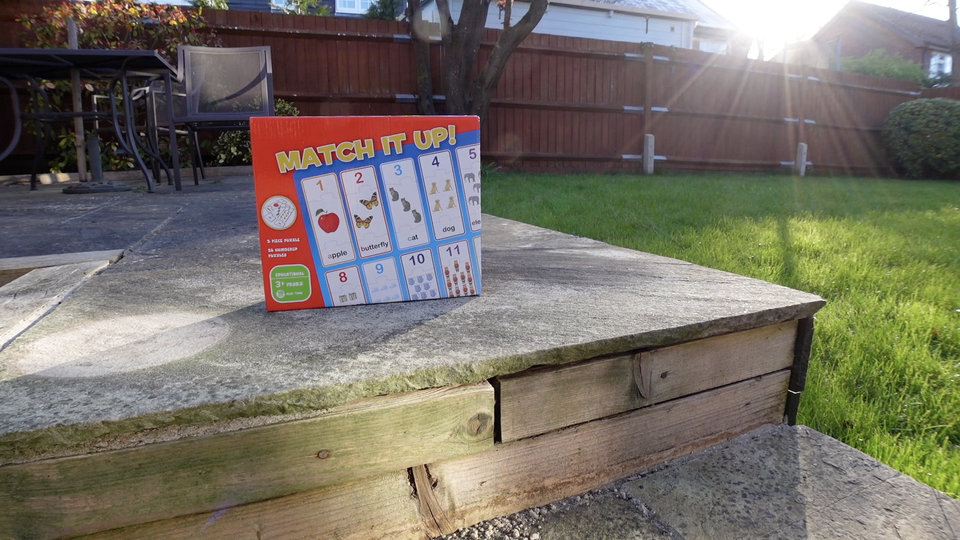
I use a children's puzzle to teach leaders about change. It sounds childish — but I have now run this workshop over 700 times, with teams as small as six and groups as large as 140. The pattern is always the same.

Most workplace learning does not work — not because the content is poor, but because consuming information is not the same as developing capability. This essay explores the two modes of learning, and why doing always beats knowing about.

Time blocking is one of the simplest tools I use to stay focused. It is also one of the most misunderstood — not about controlling time, but about seeing clearly how you are spending it.
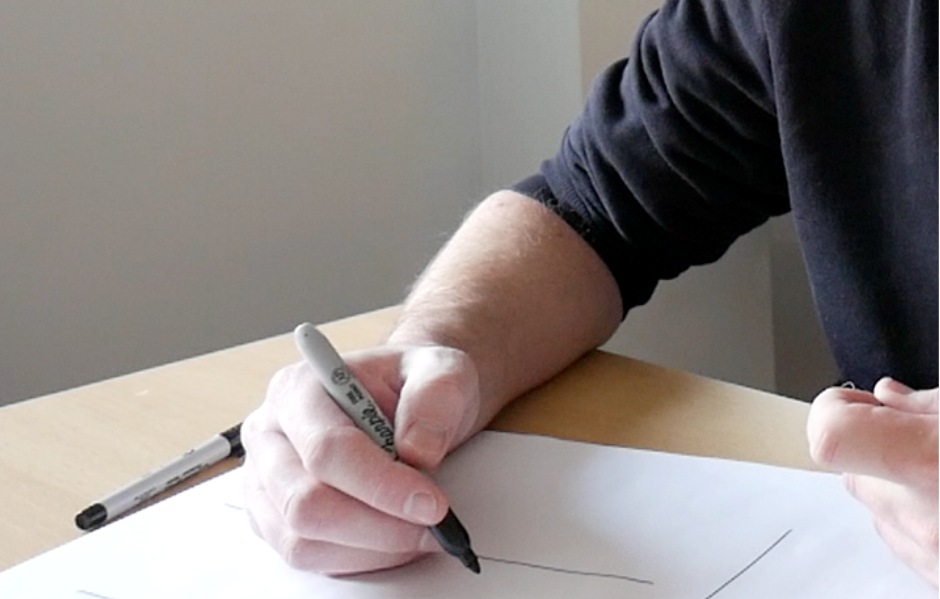
When I work with clients to solve difficult problems, I almost always start the same way — with a single sheet of A3 paper. A3 Thinking is not a template. It is a discipline for seeing clearly before acting.

Stoicism was a quiet revelation for me — not as abstract philosophy but as something practical that could be lived and tested every day in the world of work. Nine lessons for managers who want to lead well under pressure.

Design is not just how products look and feel. It is how work flows, how value is created, and how clearly the path from idea to value is designed — or left to chance.

Succession planning is surprisingly simple — and yet very few managers actually do it. This essay explores why it matters, how it connects to retention, and how to start with nothing more than a sheet of paper.

Systemic problems have a particular feeling — the sensation of being stuck on a roundabout, solving the same issues, hiring new people, and yet arriving at exactly the same outcomes