The Art of Noticing
On noticing as a trainable discipline, how creative practice sharpens it, and the craft of helping others see what you've seen.

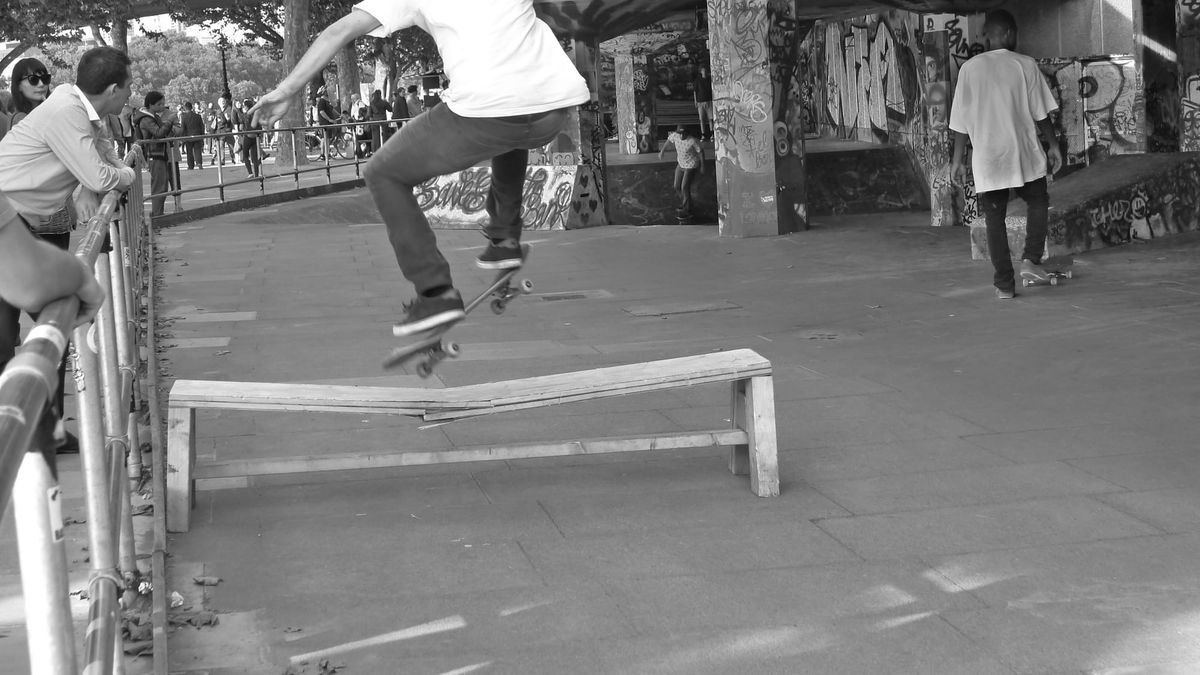
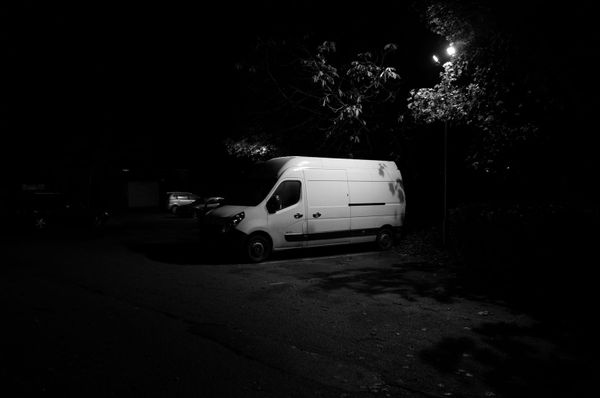
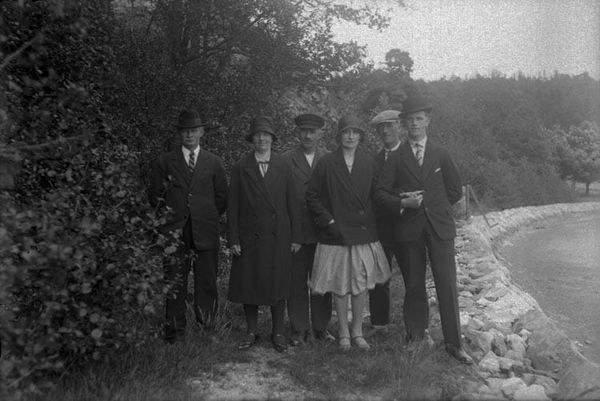
I do some of my best thinking with a camera in my hand and no real plan. Whether that's on my commute, travelling for conferences, or wandering around Britain snapping what's interesting. Most trips I walk a lot with a Ricoh GR in my pocket, and I've come to understand that the camera isn't really the point of the exercise. The point is what carrying it, and using it, does to me. It makes me look.
A tree leaning into the fields of a church at Farley I must have passed a hundred times; an ordinary outside light on a building at my parents old house in Boston, Lincolnshire, that turned out – once I truly noticed – to have a whole bundle of history around it. None of these are remarkable, and that's actually the point. They were always there. I'd simply never seen them.
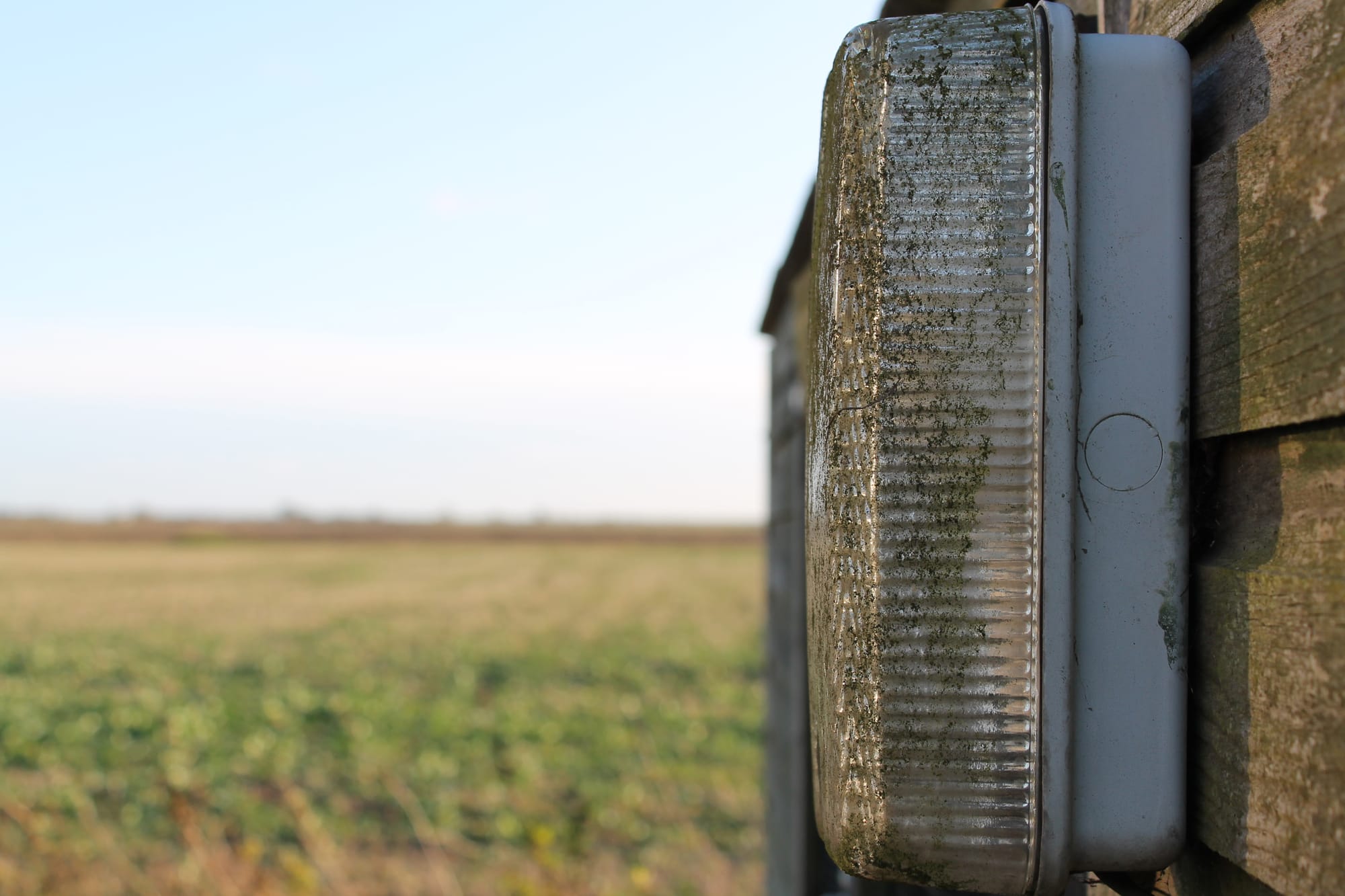
This I think, is worth talking about, because I've come to think it's one of the most underrated capacities a person can develop – at work, and everywhere else, and of course, in a life. Call it the art of noticing. Not glancing. Not scanning. Looking, properly and on purpose.
Because noticing isn't the passive thing the word makes it sound, like something you happen to accidentally see as the train passes the station. It's an active, immersive, trainable discipline – the slow widening of your own awareness and lens until you can see the whole system you're standing in, and not merely the small patch of it you happen to occupy.
Most of us see our own part of our role perfectly well: our tasks, our team, the work directly in front of us. What's harder, and much rarer, is to see how the whole thing stitches together with everything else. How a decision taken somewhere you may never have been part of shapes what's possible for you where you're standing.
We rarely see how the whole thing moves as one system – all of us connected with everyone else, a giant system of cause and effect. You get to see this whole not by being cleverer, but by learning to see, to notice, to study and then the discipline to keep doing it when everyone else has decided they already know.
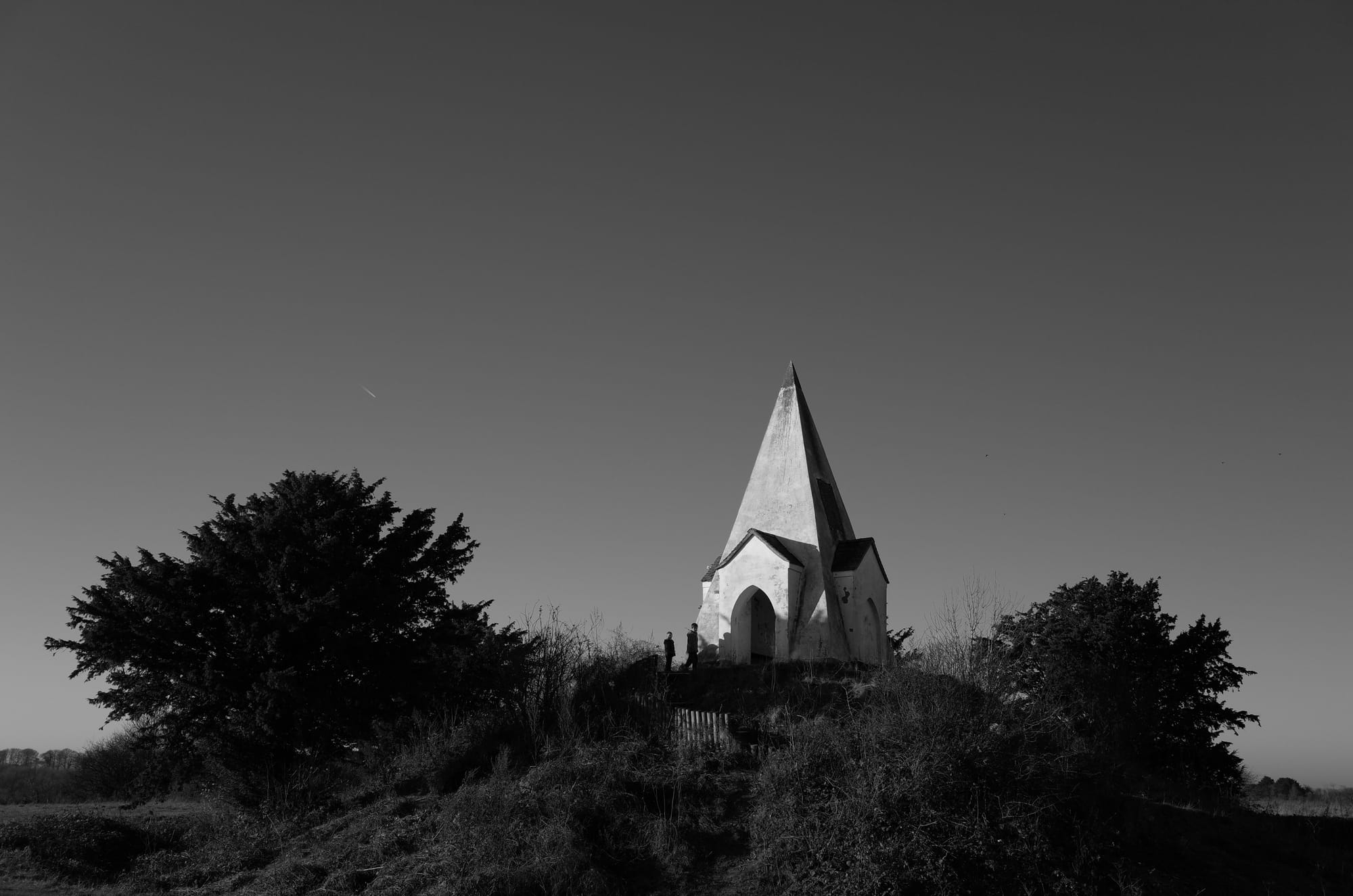
But here's the real idea worth playing with: the fastest way I've found to train that kind of attention, and the art of being able to truly see, has nothing to do with work at all. It's creative practice.
When you draw, photograph, write, cook, sew, film or anything else creative, something happens that's tricky to come by any other way – you're made to slow right down and look. You stop seeing the world through the usual speed, blur, assumptions and habit, all those useful shortcuts that let us move quickly and see almost nothing, and you start noticing light, shape, texture, relationship, movement and the way things always carry more detail than we first appreciate. Things you'd walked past a thousand times step forward and, if you learn to notice, offer you glimpses of just how rich, interesting, complex and compelling the world really is.
Photography does this to me more than anything. Framing a single photograph is often a sequence of deliberate choices: what stays in, what gets cut, where the eye is led, how the foreground talks to the background, what story the image in a frame says – and, just as tellingly, what it doesn't say. And in making those choices, you catch sight of your own perspective in the act: what you're forever drawn toward, what interests you, what themes keep reoccurring, what's appealing, where your attention is drawn and what you regularly skip. It isn't a metaphor for the kind of attention good work demands. It's a literal way of training it.
Which matters immensely, because those are the choices any serious piece of work asks of you, every day. What do we focus on, and what do we set aside? How do we frame a situation clearly enough that other people can see it, understand it and act? What have we left out of the picture, why, and what would change if we put it back? Learn to see in one place, and you start to see in the other.

When your lens widens you start to notice how work actually flows when you follow it end to end, rather than trusting the process map that says it flows some other way. You notice who genuinely helps things move and who adds confusion – and that these are almost never the names the org chart would have guessed. You notice what isn't said. You spot the subject skirted in the meeting, the problem everyone admits to privately and no one raises aloud, the question nobody asks because asking it has come to feel unsafe. You notice the gap between what people say they value and what they actually do – not to catch anyone out, but because that gap is where the real information about any business lives. And you listen to how people talk about their work, because the words they reach for – what they complain about, what they celebrate, the metaphors they use – say more about the health of a place than any survey ever could.
But noticing, on its own, is only half of it – and this is the half most people miss. Noticing without the ability to say what you've seen is a nice private observation: potentially useful to you, invisible to everyone else. The full craft is to notice and then articulate what you've seen so that others can see it too. This means drawing a clear boundary around what matters, and explaining what you saw in language that lands understanding without putting anyone on the defensive. Which is, interestingly, the clarity that creates the conditions for alignment to form. Not through instruction or mandates or insightful points made briskly, but through shared seeing, articulated for the audience you find yourself with.
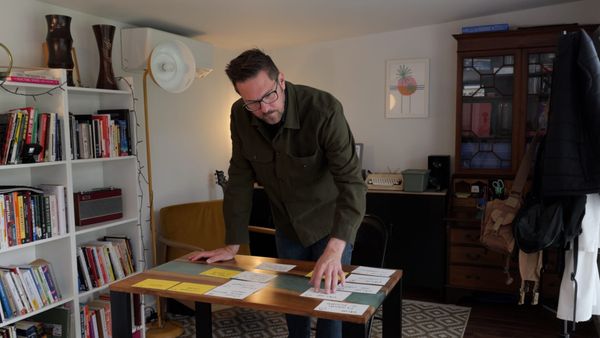
There's a big difference between a person who says "Our incentives between sales and delivery are misaligned," and a person who can show it – walk people through the pattern they've seen build, the evidence they've gathered, the afternoon it became visible and the effect it had on people. The first is making a claim. The second is helping an organisation see itself – and an organisation that can finally see itself clearly is one that can begin to change what it sees.
Which is what noticing is for – and why I often describe it as the art of leadership. Not louder opinions, or faster answers, or a more impressive strategy deck, or confident bravado. Instead the steady discipline of paying attention, and the craft of helping other people see what you've seen. Because before anything can be made better, it first has to be seen, then understood. And before it can be seen, someone has to stop, and look, and notice.
The camera helps to develop this discipline, but the camera is not the point.
Creative Soul Projects
There's a video that goes with this piece, on Creative Soul Projects. Same person, same observation — just followed on camera instead of on the page. Explore the channel.