Berlin: Field Notes on Noticing
Noticing is one of the most valuable human skills—it shapes what we see, what we think, and what we create.
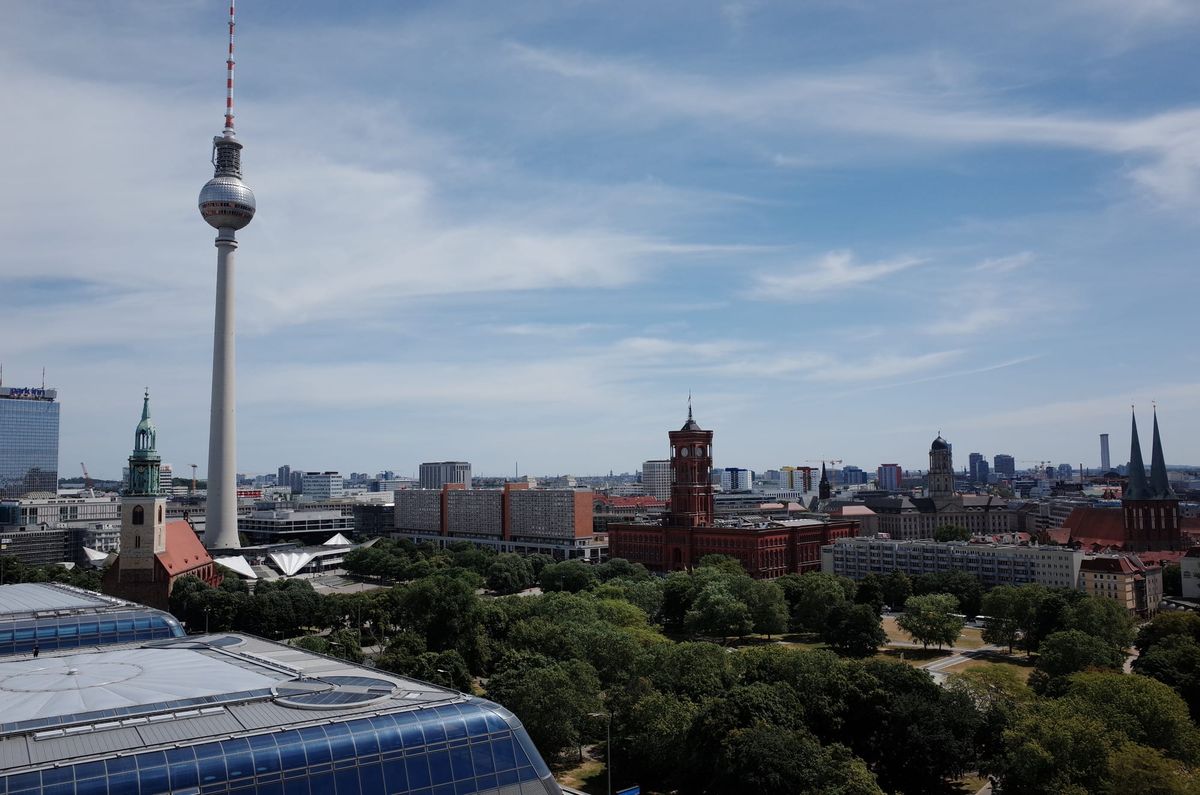
Photography and noticing
I’ve long believed that learning to notice is one of the most valuable human skills.
Noticing widens awareness. It reveals patterns. It surfaces ideas. It changes how you move through work and life.
So when I travel, I notice.
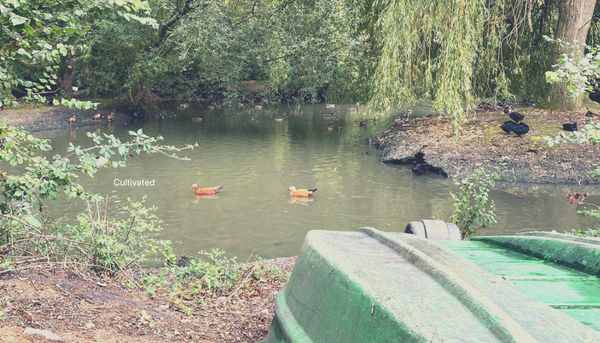
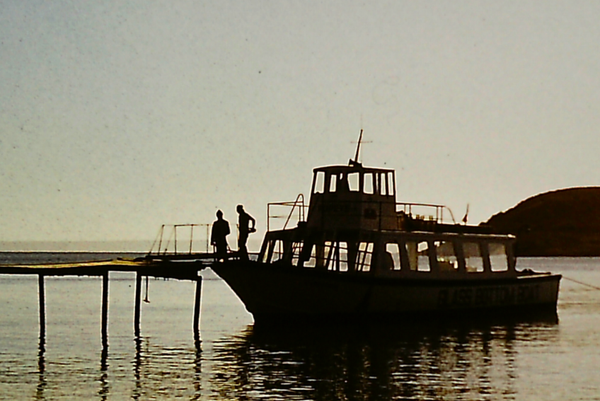
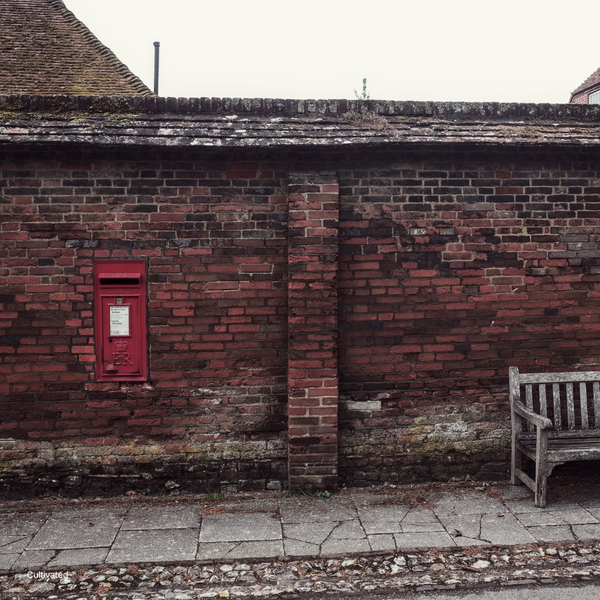
And I take photos—not as documentation, but as a form of attention.
They’re rarely perfect. That’s fine. I’m practising perception.
More from this series
The engineOther essays on noticing, creative attention, and the spaces that shape how we think.
Zurich — conferences as creative pilgrimage
On attending, paying attention, and what professional travel can offer beyond the agenda.
Decay | Repurpose — an essay on workplaces
What the spaces we work in reveal about how we value the people inside them.
Cultivated — notes on seeing, work and travel
A collection of observations from the edges of professional life.
What a weekend retreat taught me about creating space
On stepping back deliberately — and what becomes possible when you do.
The Ethnographic Self
When I studied Media Science, one idea stayed with me.
Ethnography is often described as the study of other people and how they live.
But a lecturer once asked a sharper question:
How could the study of other people be about anything other than ourselves?
What we choose to observe is a mirror.
Our judgments, our focus, our interpretations—these are all shaped by our history, biases, and inner world.
To notice is to reveal yourself.
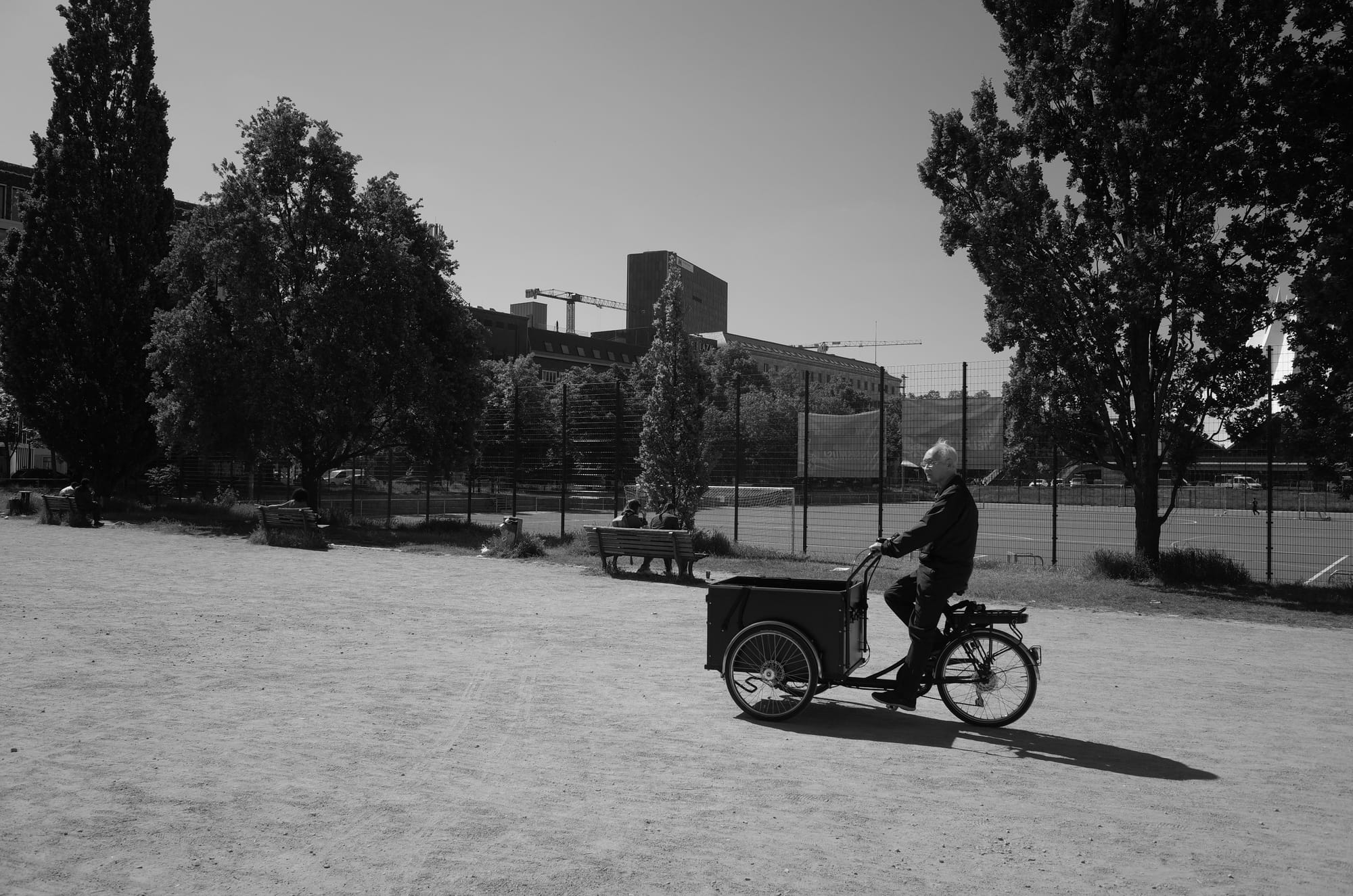
Looking back through years of photographs, I can see patterns—recurring themes, recurring curiosities. What I frame in a photograph is a quiet autobiography.
Cultivated Studio
The argument is here. The working tools are in Studio.
Studio is the ongoing, behind-the-scenes layer of Cultivated — field notes, extended essays, frameworks, and over four hours of Idea to Value deep-dive video. It doesn't extend every article with a matching framework. It extends the thinking across the whole system, for practitioners who want to go further than the public library. If this essay opened something, Studio is where the wider architecture lives.
Explore Cultivated Studio →