Flywheel — Learning & Practice
Habits and compounding practice — small actions that build lasting capability over time. Articles in this layer explore learning, resilience, personal development, and the disciplines that compound.

Effective communication is not about the clarity of the message. It is about the clarity of the outcome. Communication only succeeds when meaning travels — and the only way to know whether it has is feedback. Sent does not mean received.
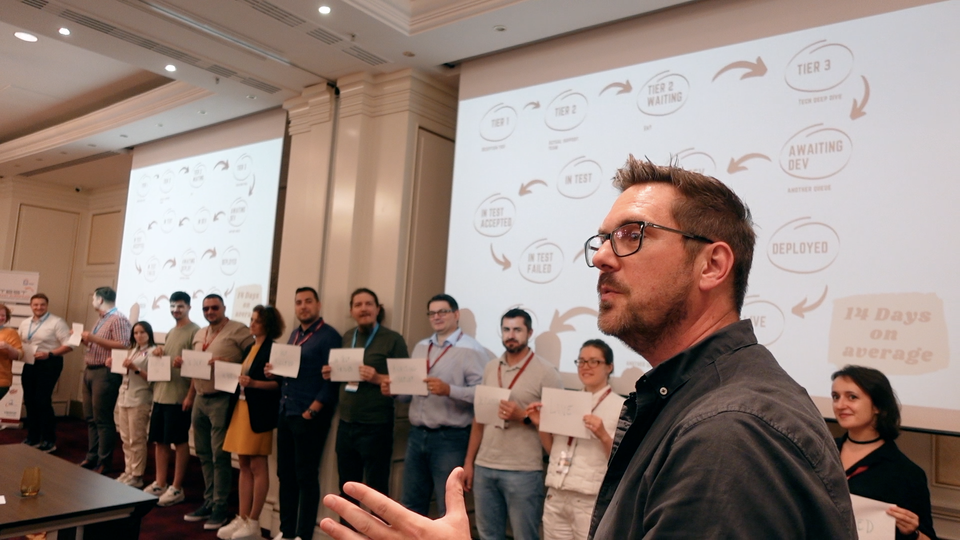
Running a workshop is not a matter of turning up and hoping for the best. It is a craft — built through preparation, intention, and genuine care for the learning journey. This essay makes the case for taking teaching seriously, not as performance, but as responsibility.
At the start of 2022, I set myself a creative constraint: one idea about creativity, every day, for a month. It failed after six days. This is what came from it

I discovered the Cornell Note-Taking Method over a decade ago and promptly ignored it. It sounded dull and academic. Then I tried it properly. I have not really stopped since.

Some people communicate like vending machines — same input, same output, regardless of context. And then there are those who seem to have presence. The difference is adaptability. Here is how to develop it.
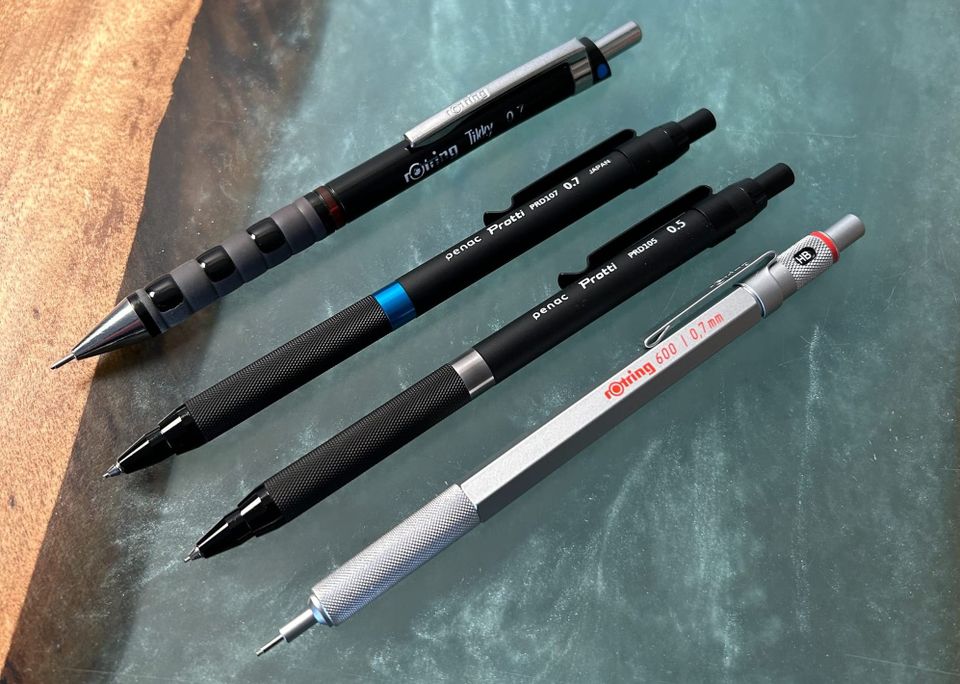
Slowing down learning is sometimes the fastest way to grow. This essay explores why analogue tools help turn information into knowledge — and why a personal knowledge system should change behaviour, not just store notes.
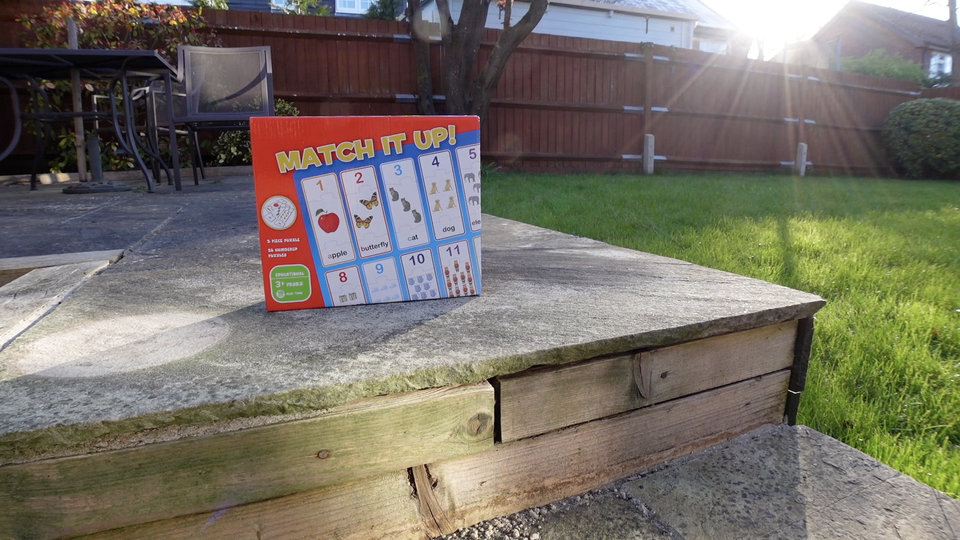
I use a children's puzzle to teach leaders about change. It sounds childish — but I have now run this workshop over 700 times, with teams as small as six and groups as large as 140. The pattern is always the same.
Most workplace learning does not work — not because the content is poor, but because consuming information is not the same as developing capability. This essay explores the two modes of learning, and why doing always beats knowing about.
Time blocking is one of the simplest tools I use to stay focused. It is also one of the most misunderstood — not about controlling time, but about seeing clearly how you are spending it.