I wouldn't start from here
Lost in the Leeds suburbs, I asked a man the way to Horsforth. "I wouldn't start from here," he said. On why knowing where you actually stand is the hardest, bravest step toward where you want to go.

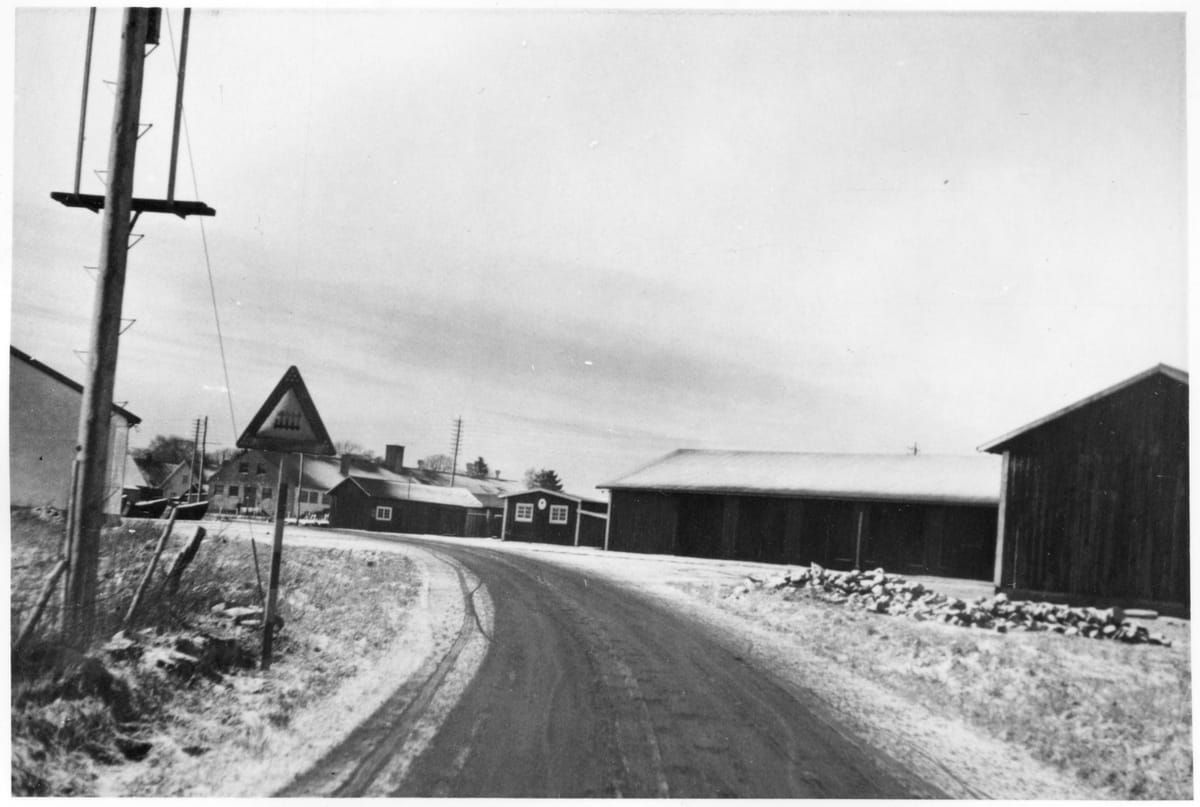
Years ago, before satnavs, I got hopelessly lost somewhere in the suburbs of Leeds – circling the same old village, growing crosser each lap. Eventually I spotted a man walking his dog, wound the window down, and asked the way to Horsforth. He thought about it. He looked at the dog, as though the dog might know. And then, in that gloriously deadpan Yorkshire way, he said: "Well, to be honest mate, I wouldn't start from here."
We both laughed. But he'd said something frankly truer than he meant to, the way the best jokes often do.
Because most of us are very good at the destination. We can see where we're going – the plan, the ambition, the painted picture of the future we'd like to live in. What we're remarkably bad at is the other half of any map: the small arrow that says you are here. We know where we want to be. We're much more vague, and much less honest, about where we're actually standing.
This, I've come to think, is the fascinating undoing of a lot of ambitious plans. It isn't that people can't imagine the future – plenty struggle to paint it clearly, but that's the easier thing to fix. It's that they can't bear to look, honestly and without flinching, at the present. The current reality. The real one, not the one that goes to the board, or the one in the glossy presentation – the real one; how the work actually moves; where it actually snags; what people actually have to fight through that never makes it onto a slide.
It's a remarkably hard thing to do, and I don't think it's cowardice. Maybe something more like self preservation. It's that the view is usually not welcome, unflattering, tear inducing sometimes, and – here's the uncomfortable part – the people doing the looking are usually the very same people who built the current reality being unpicked.
Owning where you are, warts and all, when the warts are partly yours, takes a rare sort of honesty and self reflection. Most of us would far rather redecorate the ambitious future than survey the present reality of work.
There's a single question – not as easy question – but one that brings this into the open.
If the future we want is so compelling, so exciting, so interesting, why aren't we already there? What's stopping us achieving it tomorrow? Or next week? Or next month?
Something's in the way. There's obstacles to overcome. There are problems to solve. There's challenges that need addressing. There always is. And the answers – the friction, the bottlenecks, the confusion, the decision nobody is making, the thing everyone's working around – are precisely the waypoints on the map you needed and didn't have.
The trap, once you start looking, is to grab the nearest problem and fix that: the loud one, the visible one, the shiny one, the one that makes everyone feel productive. Fix it and it comes back. Fix it again and it comes back again in a slightly different form – because it was never the real problem, only the symptom.
The remarkably pleasant surprise, if you sit with the mess honestly for an afternoon or two, and with a decent coffee, is that fifty of these shiny symptoms usually collapse into five or six actual causes. The whole picture gets a great deal simpler the moment you're willing to look at it and study what's actually in the way. The current reality quickly becomes a more positive place to step from, if you take the time to see it.
None of this is the glamorous work which may explain why not so many people do it. Few people stand up at the all-hands to celebrate an honest audit of how bad things actually are. But it's the real work, because a route to the bright future is only ever as good as the point it starts from. Get that point wrong – set off from where you'd like to be, or image you are, rather than where you really are – and you end up in Newcastle rather than Leeds.
Not, I should say, that there's anything wrong with Newcastle, it's a fine place for sure. But it's a long way from Horsforth in Leeds, and it's a very embarrassing way to end up there – by refusing to admit where you began.
Where this sits in the Atlas
Orientation·Idea to Value·Communication·Creativity & Climate·Learning