The Cheap Pen That Changed How I Think
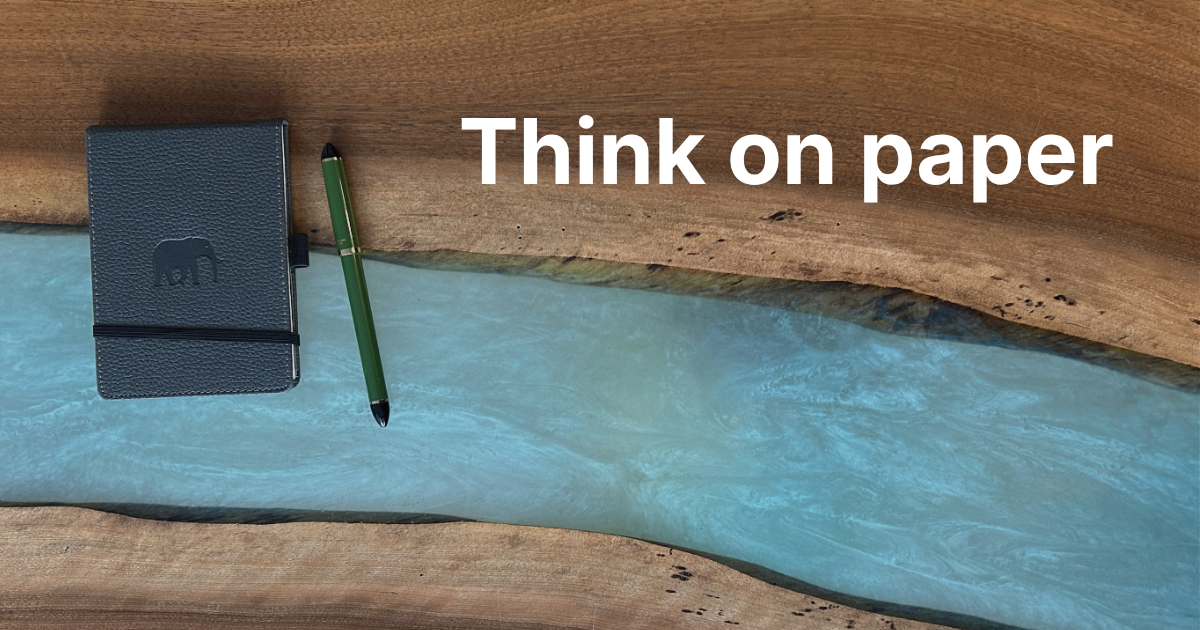
A simple calligraphy pen introduced friction, boundaries, and intention into my thinking — not through optimisation, but through boundaries, surface and friction.

How Simple Tools Can Unlock Better Thinking, Clarity, and Creativity
Sometimes a small change in tools alters far more than the tool itself.
This note is not about stationery. Although you know I like stationery.
It is about friction, boundaries, and why the objects we work with subtly shape how we think, decide, and show up each day.
Editor's note — where this sits
This essay uses a small physical object to explore something larger — how the tools we choose shape the tempo, depth, and texture of our thinking. It sits in the Engine layer of the Idea to Value system, where creativity, climate, and the conditions for good thinking live. Friction, chosen deliberately, is a design decision — and this piece is a reflection on that.
The Idea to Value system — five layers
Cultivated Notes are short visual companions to the work.
You can watch the note below, or read on to explore this idea.
The Edge of the Page
Digital tools offer infinite editorial space.
Infinite tabs.
Infinite notes.
Infinite drafts.
Infinite space.
Few boundaries.
And yet, infinity can be overwhelming and paralysing. We tend to want to avoid it, or fill it.
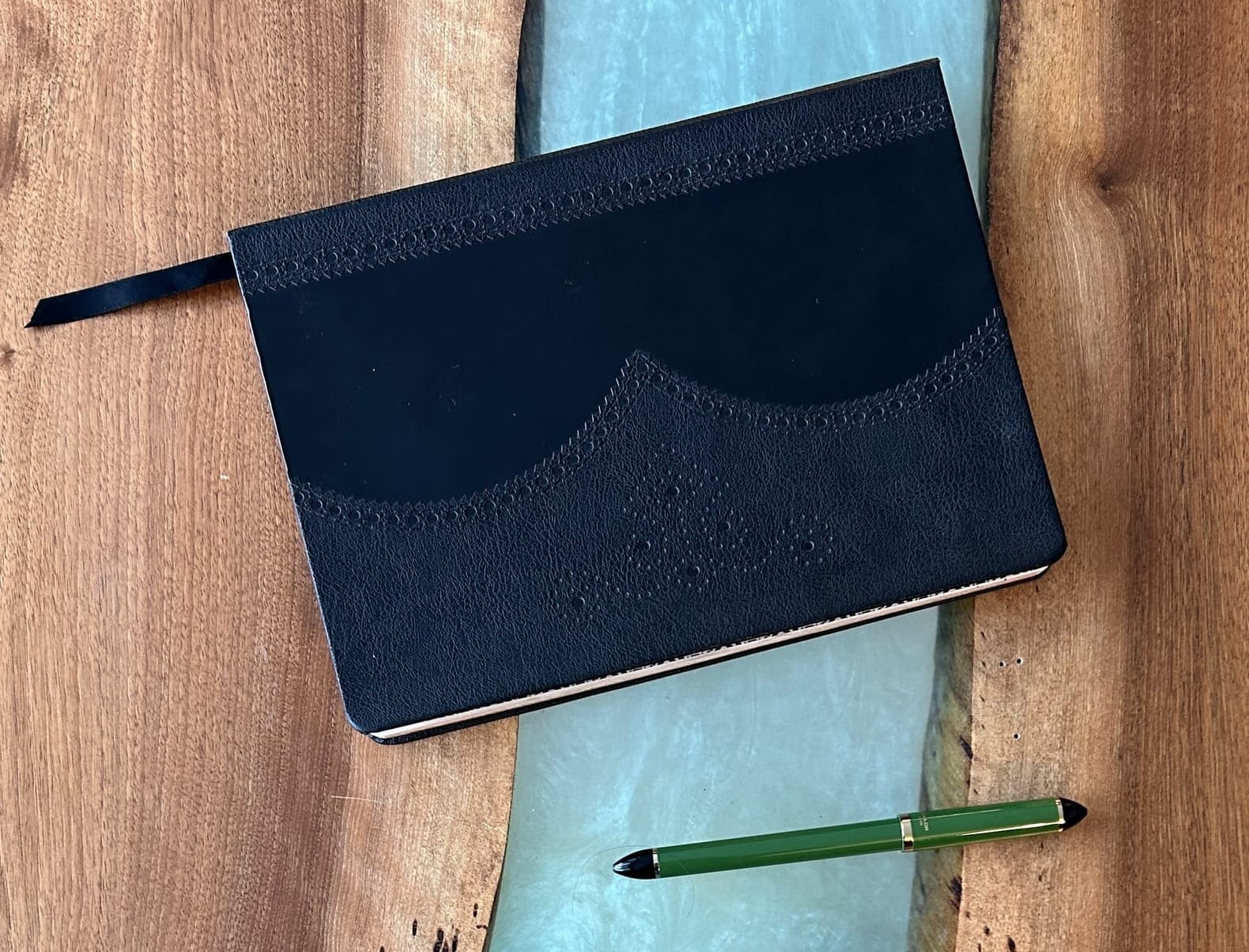
A simple calligraphy pen, used with paper
— inexpensive, imperfect, occasionally inconvenient
— introduced something rare: edges and welcome friction.
Limited ink. Finite pages. Physical boundaries. Careful usage to avoid ink spillages.
Those edges tend to change behaviour.
Thinking slows down.
Words become more deliberate.
Ideas are played with rather than optimised.
Screens are closed.
Friction and Reward
This pen is messy.
It needs refilling.
It doesn’t travel well.
Ink finds its way everywhere with ease.
But on the other side of that friction sits reward.
Distance from screens. Space for sketching and pondering. A sense, and feeling, that thoughts are being shaped and played with, not merely captured.
Friction, when chosen deliberately, can be clarifying and helpful rather than obstructive and frustrating.
Tools Shape Behaviour
We often search for better systems, faster software, quicker capture systems or larger, endless, canvases.
Occasionally the opposite is what changes us.
A tool with limits.
Constraints that breed creativity.
A container with smaller edges.
A pace that resists haste.
Not as nostalgia — but as intention. A way to slow down and think differently.
This is not an argument for pens over keyboards, or analogue over digital. It is a reminder that the tools we choose influence the tempo, depth, richness and texture of our thinking.
Sometimes the smallest adjustments
— a different pen, a different surface, a different boundary
— quietly alter how we approach our work and our lives.
The object is not so important. The change in behaviour it invites is.
The Creativity of Constraints
2–3 hour workshop · Remote or in-person
A hands-on workshop built on exactly this idea — that constraints and limitations sharpen thinking rather than blocking it. The same principle as the pen, applied to a room full of people making things together.
Enquire
Explore the workshop →Solo Creator to Sustainable Work
50-page guide + 40-min audio · Digital
A practical guide for people building something of their own — including how to protect the conditions for deep thinking, work with deliberate constraints, and build something durable rather than just busy.
£5.99
Get the guide →