Creativity & Climate (Engine)
The person who was already ready
She'd been doing most of the job for a year. They hired someone in over her - the following day she updated her CV.
Habits and compounding practice — small actions that build lasting capability over time. Articles in this layer explore learning, resilience, personal development, and the disciplines that compound.
Creativity & Climate (Engine)
She'd been doing most of the job for a year. They hired someone in over her - the following day she updated her CV.
Learning & Practice (Flywheel)
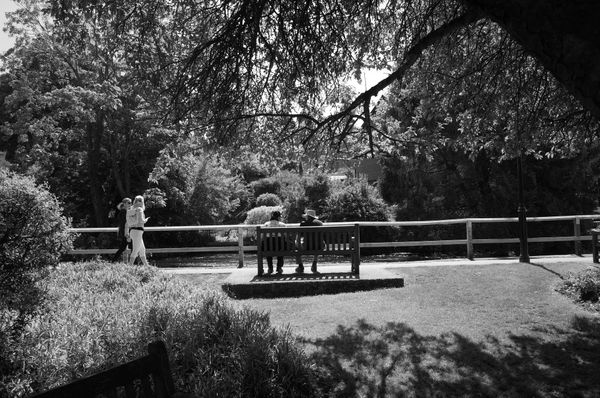
For many years I have kept a notebook I call my commonplace book. It is not a diary, not a planner, not a system for getting things done. It is a personal library for thinking — a place where ideas wait until they are needed.
Learning & Practice (Flywheel)
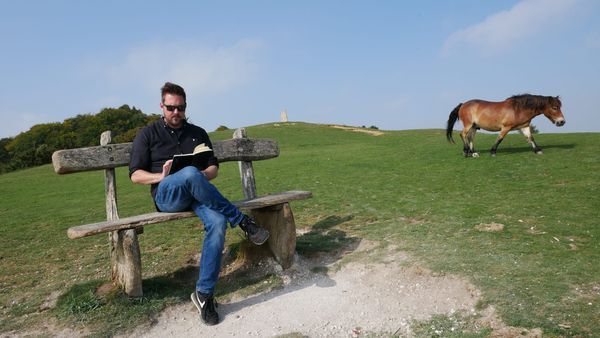
Journaling on an Iron Age hill fort, wild ponies wandering past. Not a diary of events — a thinking partner, and a leadership one too. On paper over screens, the friction that makes it work, and why an honest map beats a beautiful one.
Learning & Practice (Flywheel)
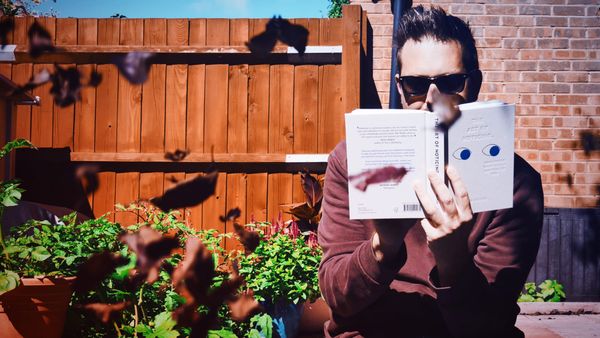
A Winchester bookshop with more books than a life could read. The point was never the reading, or the summary - it's the chewing. My personal knowledge system, in four stages: capture, curate, crunch, contribute.
Learning & Practice (Flywheel)
I once worked with a man who was an expert at everything and had done none of it. On why most training leaves people knowing more and doing exactly the same — and what actually changes behaviour.

Learning & Practice (Flywheel)
Good note-taking is not about recording the past. It is a tool for thinking in the present — shaping attention, learning, and judgment as work unfolds.

Learning & Practice (Flywheel)
In 2006 a stranger at a conference told me how much he hated his life — his job, his boss, probably the sandwiches. On the difference between succeeding and thriving, and why thriving is something you choose rather than something that accumulates.