Why Paper Still Matters: Analogue Tools as Thinking Environments
Paper is not obsolete — it is thinking technology that has survived every digital revolution. A practical case for analogue tools as cognitive environments, not nostalgic curiosities.

Why Paper Still Matters: Analogue Tools as Thinking Environments
There is something quietly powerful about a blank notebook.
In a world saturated with screens, notifications, and infinite digital possibility, paper offers something rare: bounded space, physical presence, and attention with friction.
For me, analogue tools are not nostalgic curiosities. They are cognitive environments — scaffolding and space for thinking, learning, and creating.
Editor's note — where this sits
This essay makes the case for analogue tools as cognitive environments — not as nostalgia, but as intentional design for attention, reflection, and thinking. It sits in the Engine layer of the Idea to Value system — the layer concerned with the conditions and climate that allow good thinking to happen. It is also Flywheel work: analogue practices that compound slowly into sharper, deeper, more deliberate cognition.
The Idea to Value system — five layers
Tools as Environments, Not Objects
We often talk about tools as if they are neutral.
They are not.
Every tool shapes behaviour, attention, and cognition. A notebook is not just paper; it is a container for thought. A pen is not just ink; it is a physical interface between mind and world.
Digital tools are optimised for speed, scale, and connectivity.
Analogue tools are optimised for presence, reflection, and thinking.
They slow thinking down just enough for meaning to emerge.
The Friction That Creates Thought
Friction is often framed as inefficiency.
In thinking, friction is essential. Because on the other side there is reward.
Writing by hand introduces pauses. Turning pages introduces rhythm. Crossing out words introduces reflection. The material constraints of paper force prioritisation and intentionality.
On a blank page, there is no algorithm, no infinite scroll, no dopamine loop.
There is only you, attention, and the mark you choose to make.
That friction is not a bug.
It is cognitive architecture.
It leads to reward.
Embodied Cognition and the Hand
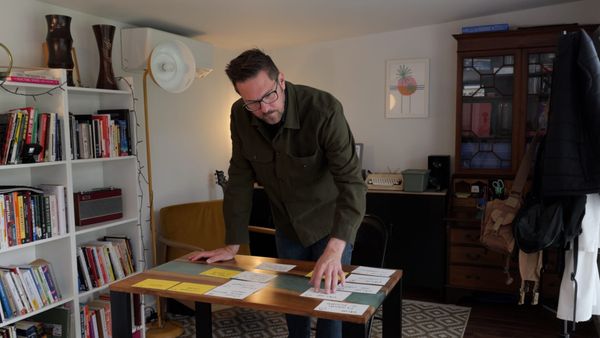
When we write, sketch, or map ideas physically, the body participates in thinking.
The movement of the hand, the feel of the paper, the resistance of the pen — these are not incidental. They anchor thought in the body, making ideas felt as well as understood.
This is why handwriting aids memory, why sketching unlocks insight, and why diagrams clarify complexity.
Analogue tools externalise thinking into the world, turning cognition into something visible, spatial, and manipulable.
Ritual, Meaning, and Creative Attention
Analogue practices also create ritual.
A dedicated notebook for ideas.
A journal for reflection.
A sketchbook for exploration.
These are not productivity hacks.
They are ritualised spaces for different modes of being.
By assigning material containers to mental modes, we create environmental affordances:
When I am here, I think like this.
This is not organisation.
It is identity design through tools.
Digital and Analogue Are Not Opposites
This is not an argument against digital tools.
Digital systems are extraordinary for collaboration, storage, synthesis, search and distribution.
Analogue tools are extraordinary for generation, sensemaking, and presence.
The most effective knowledge systems weave both:
- Analogue for thinking
- Digital for organising and amplifying
One is cultivating. The other is infrastructure.
Why This Still Matters
In organisations, we obsess over software, dashboards, and workflows.
In creativity, we obsess over apps, platforms, and productivity systems.
But thinking still begins somewhere quieter:
with a question, a sketch, a note, a margin scribble.
Paper is not obsolete.
It is thinking technology that has survived every technological revolution because it serves a fundamental human need: to think in the world, not just in the head and capture those thoughts.
A Personal Practice
My own analogue practices are simple: notebooks for ideas, journals for reflection, sketchbooks for exploration. These are not productivity systems; they are thinking spaces and climates.
They create space for ambiguity, curiosity, and slow cognition.
They remind me that thinking is not just processing — it is a tactile, embodied act.
The Bigger Picture
Analogue tools are not about nostalgia.
They are about attention, embodiment, and meaning in a digital age.
They slow us down just enough to notice what matters.
They externalise thought so it can be shaped.
They create rituals that make creativity and learning sustainable.
In a world optimised for speed, paper remains a quiet technology for depth.
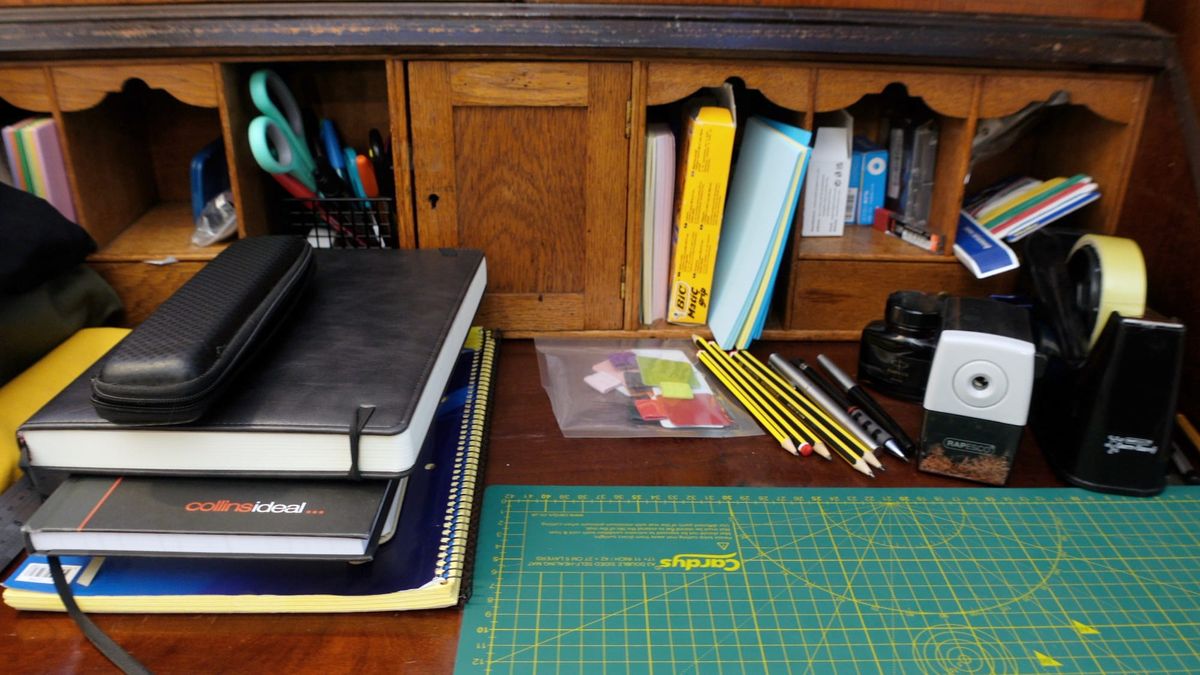
Some of my Stationery
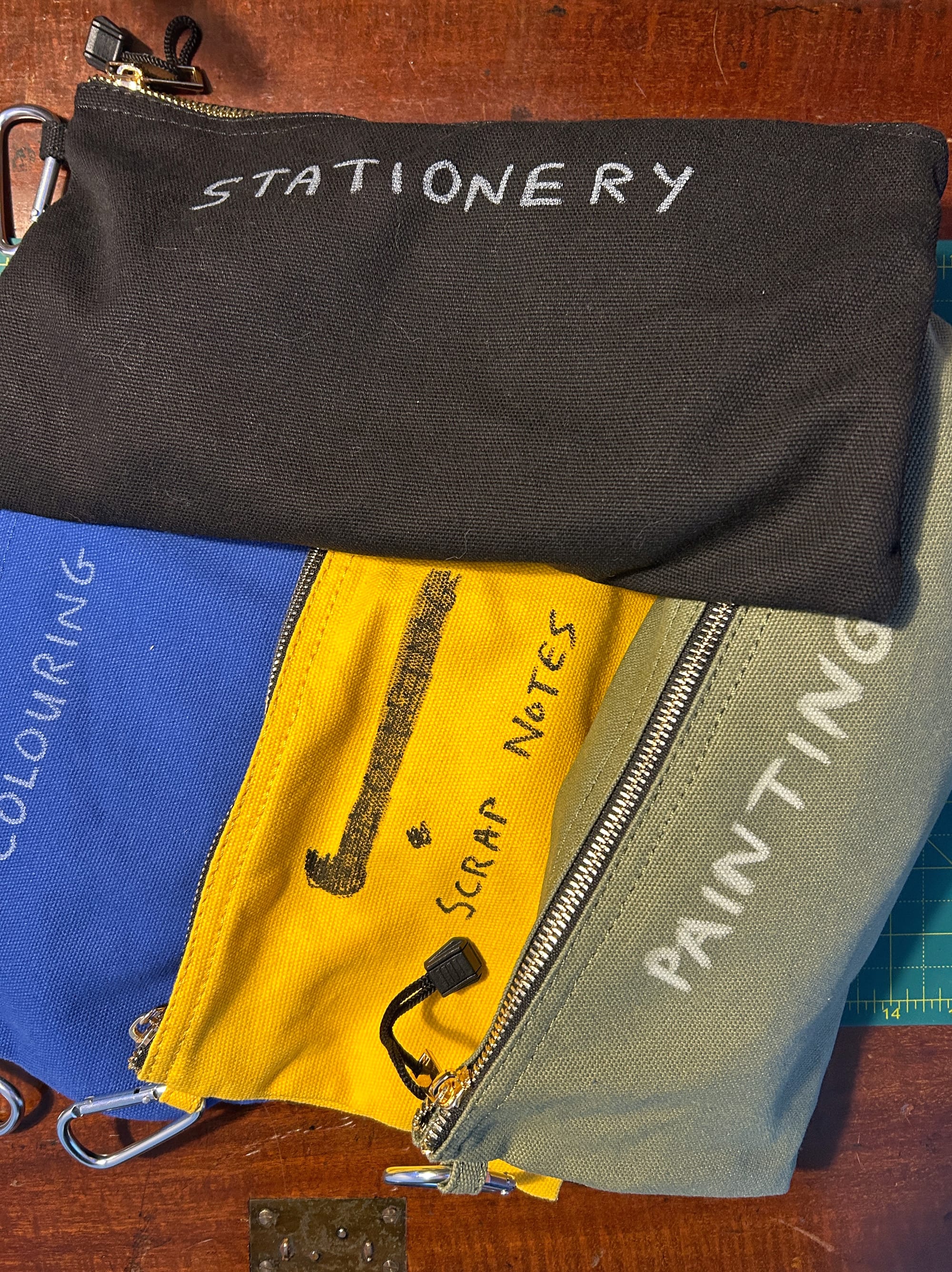
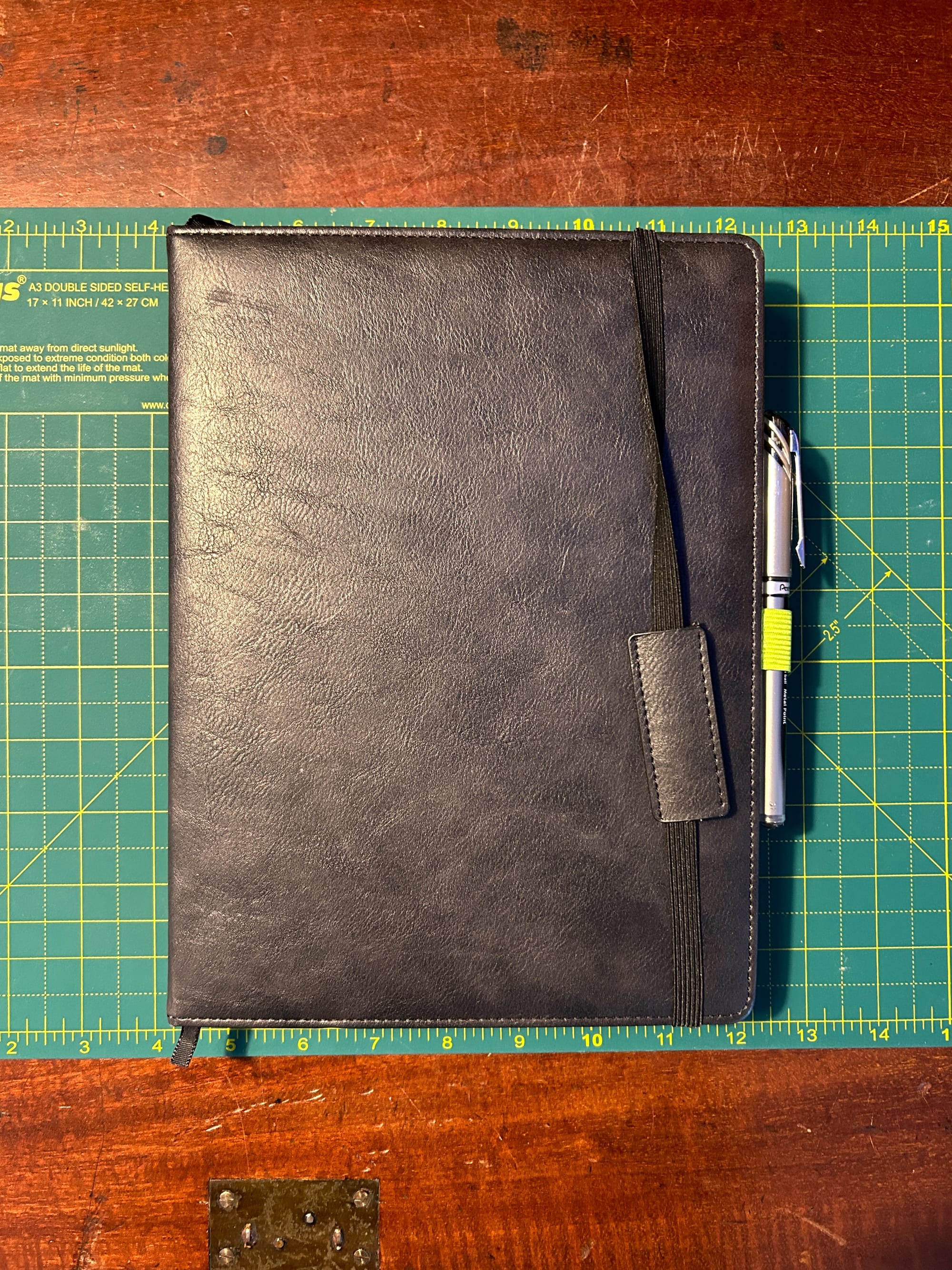
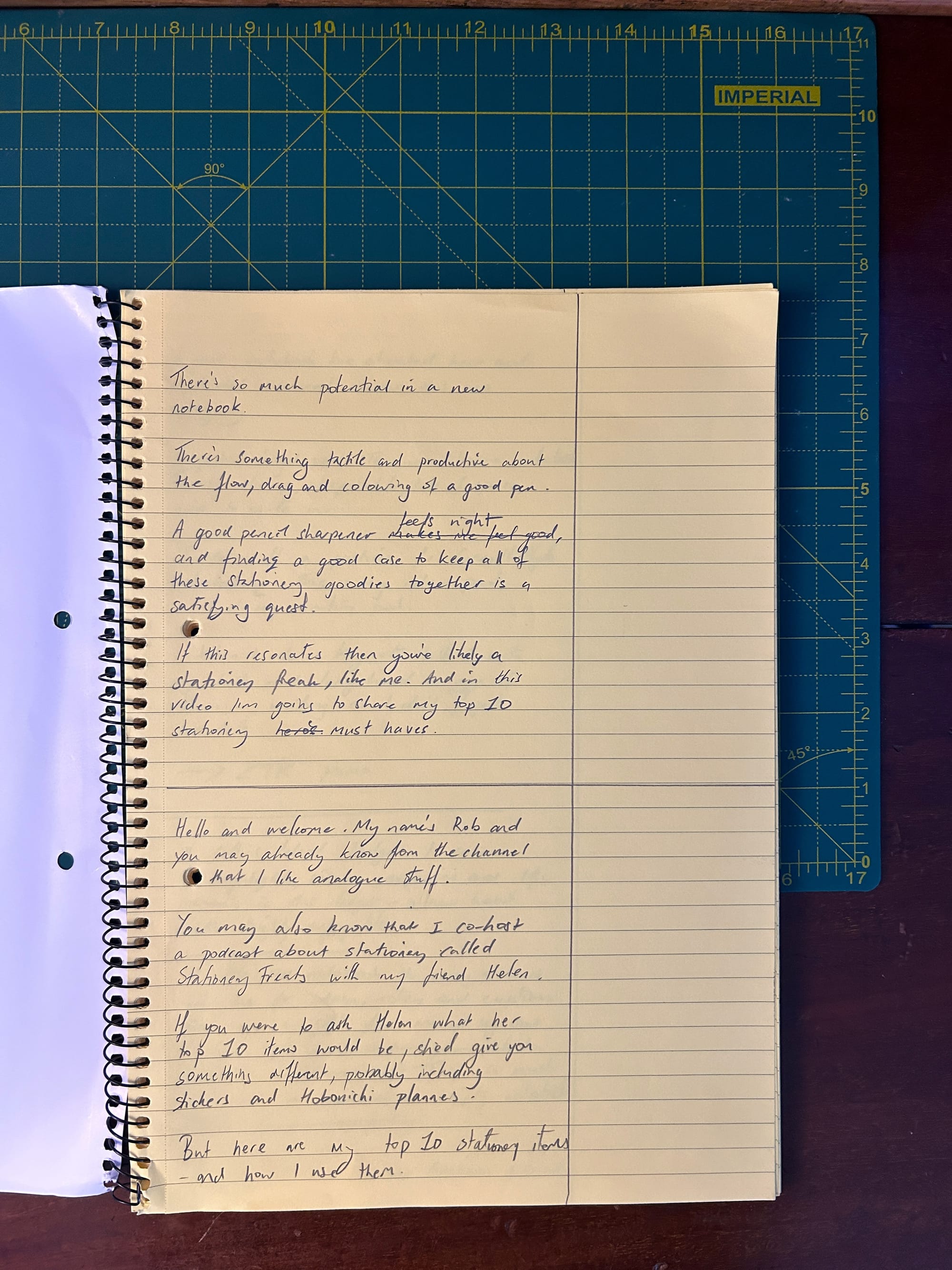
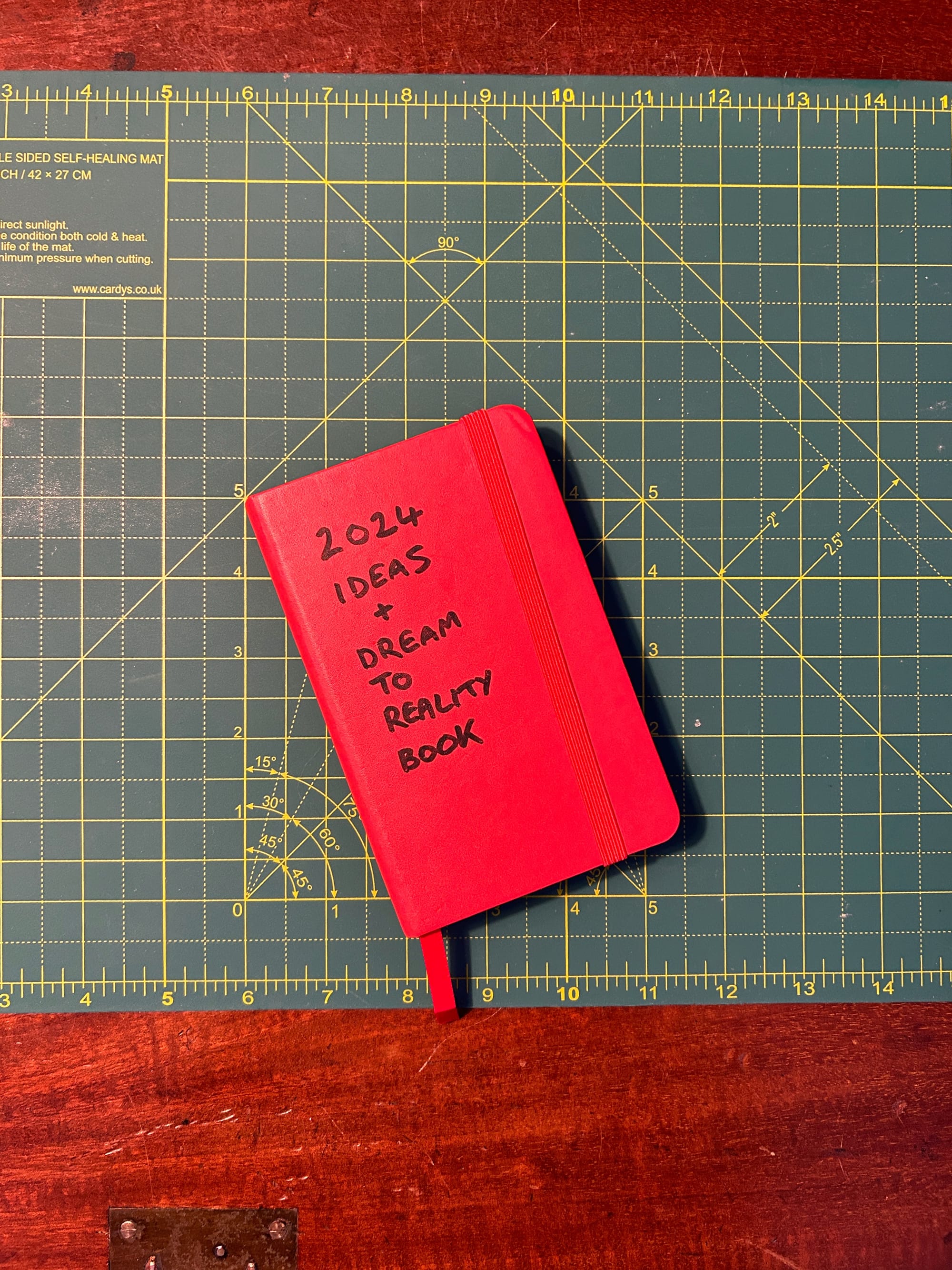
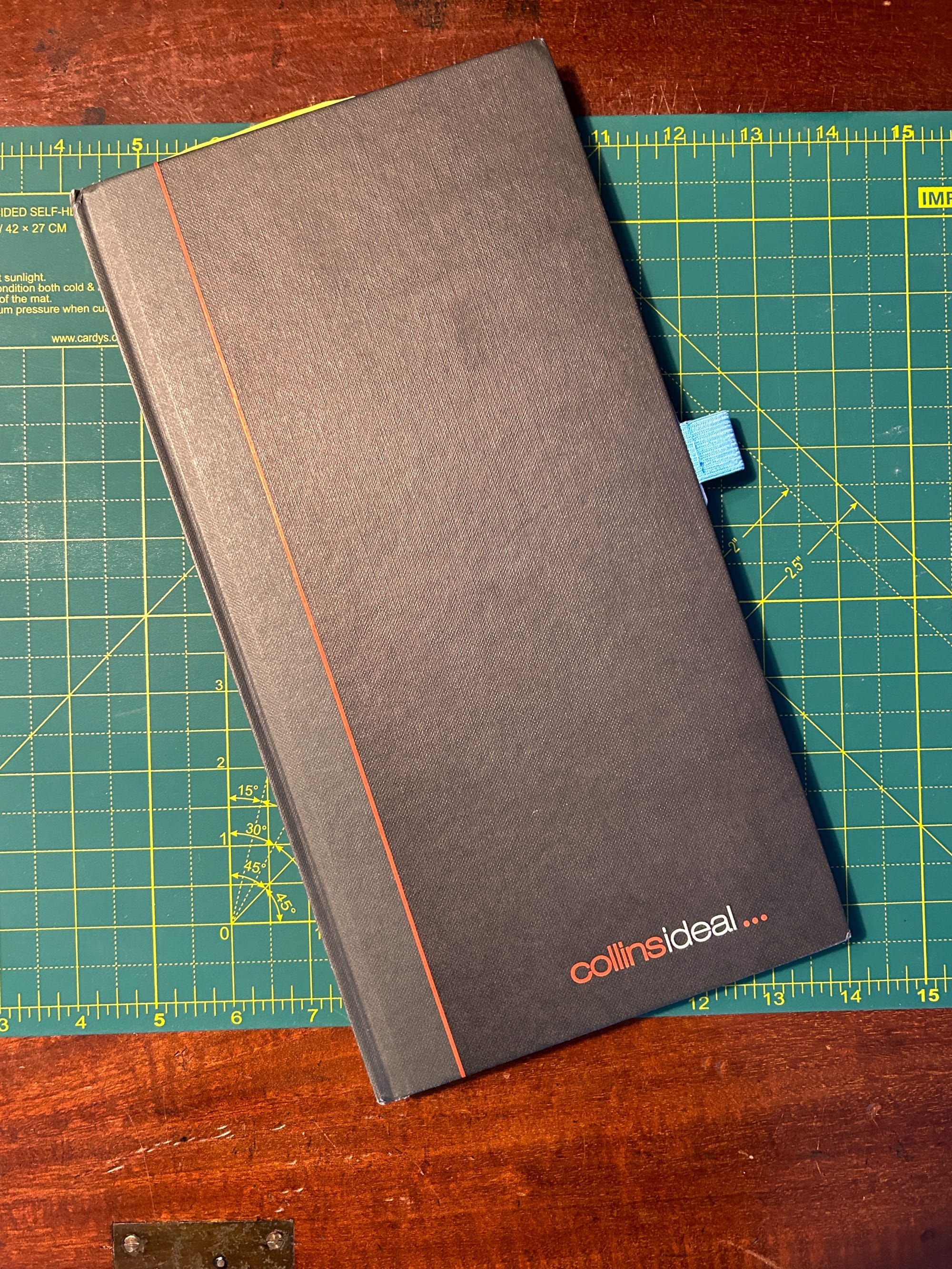
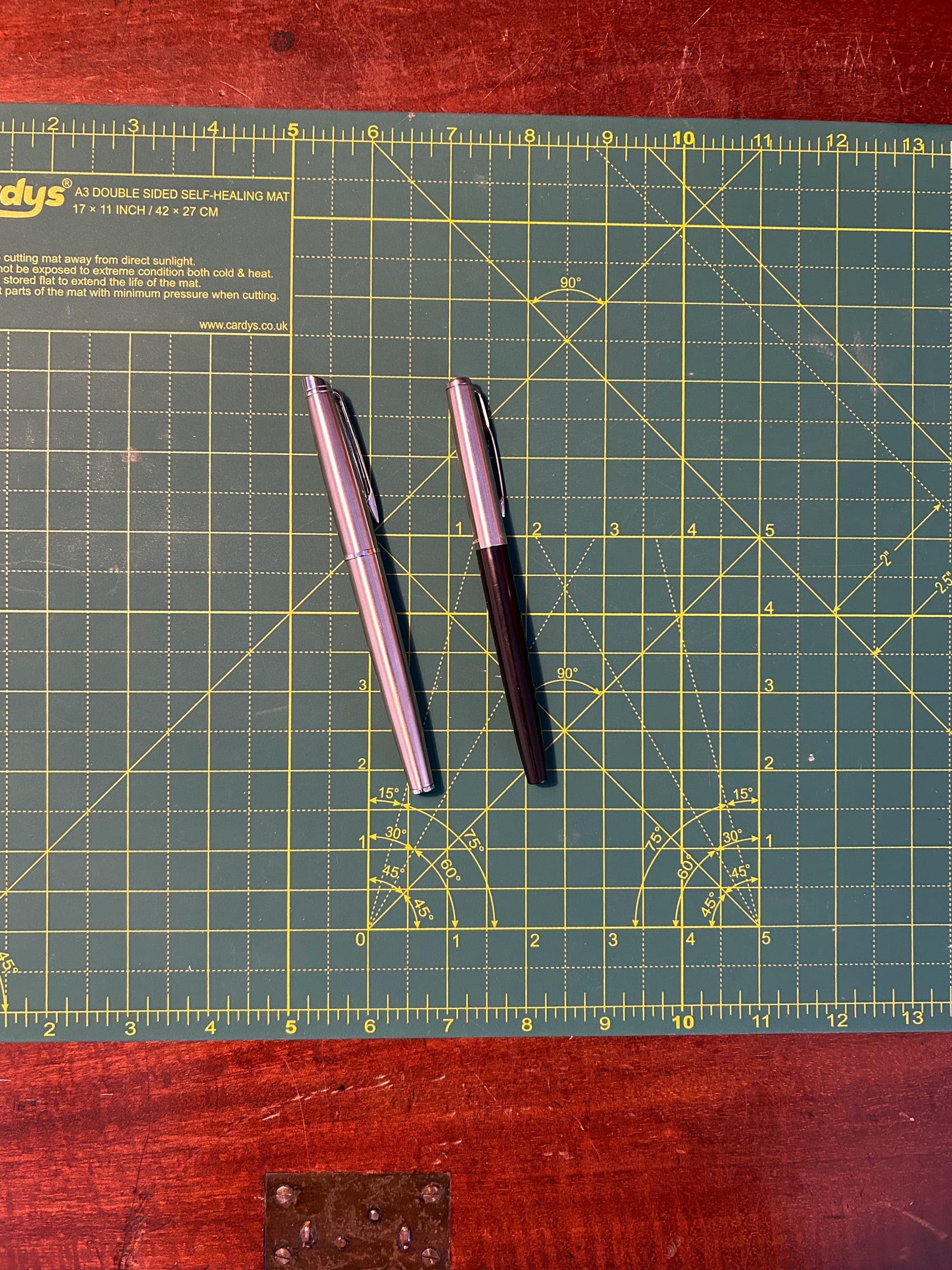
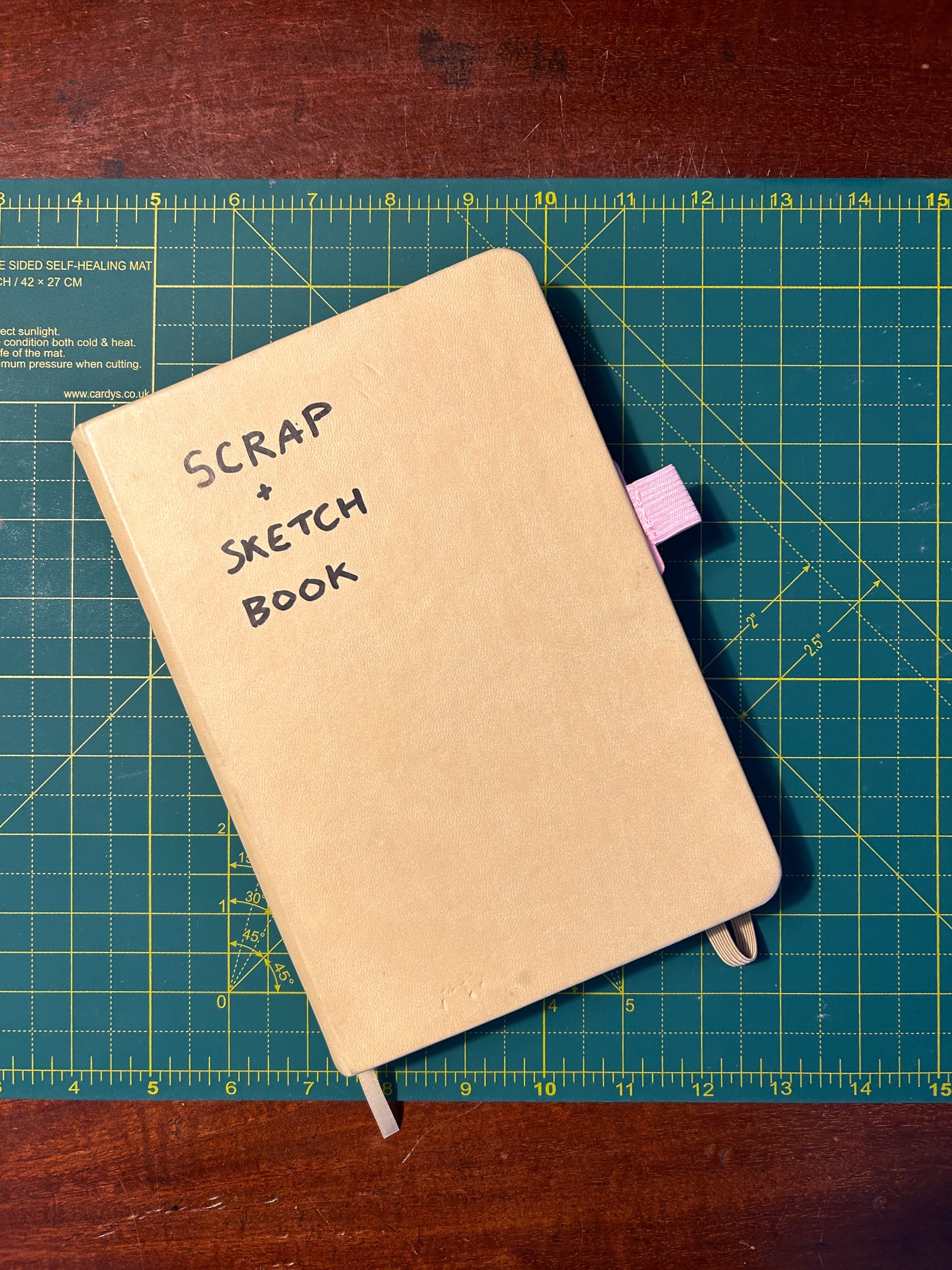
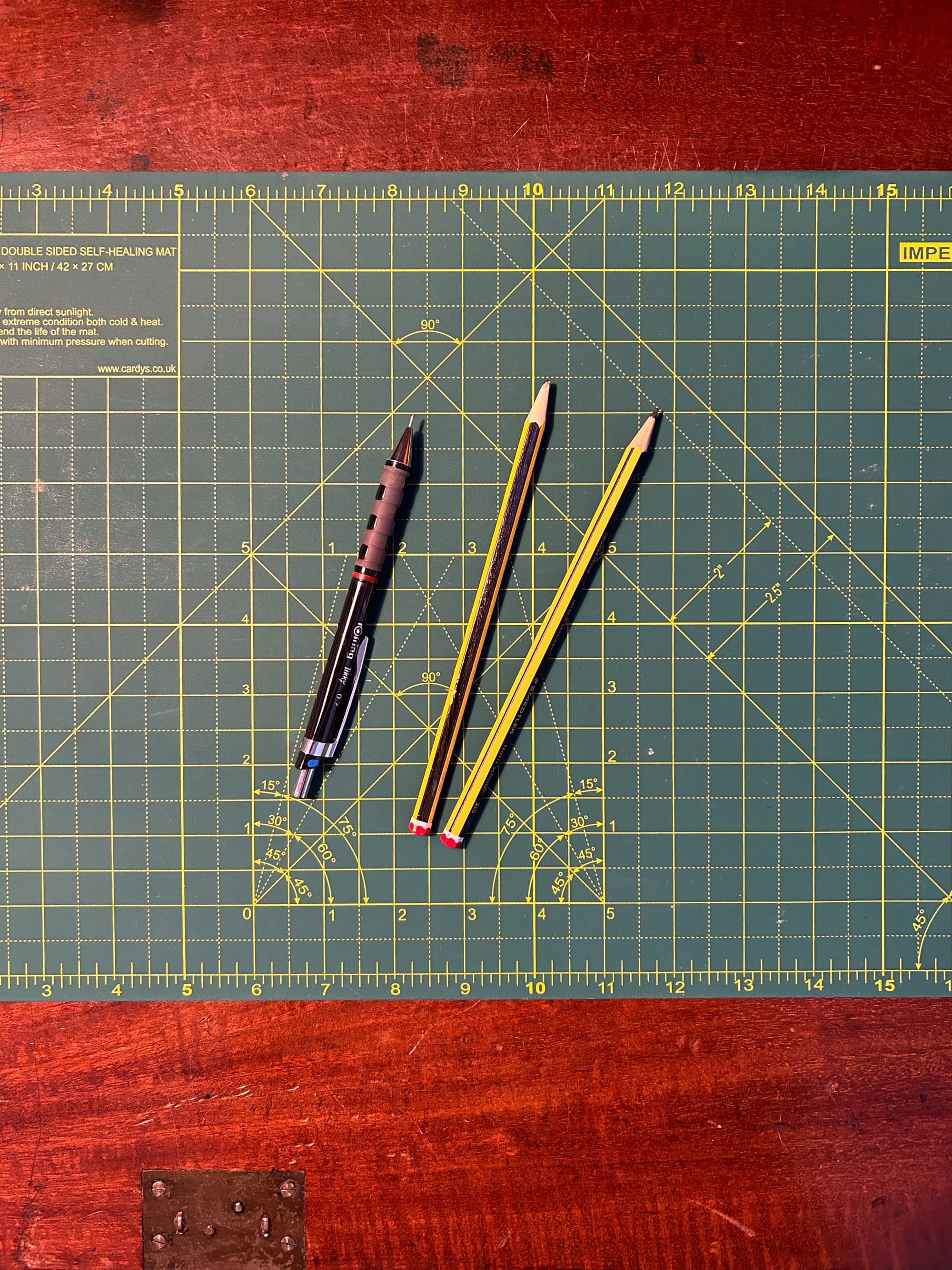
Some snaps of my stationery
The Creativity of Constraints
2–3 hour workshop · Remote or in-person
A workshop built on the same principle as this essay — that constraints sharpen thinking rather than blocking it. Material limits, like those paper imposes, are a feature rather than a bug. Applied to a room full of people making things together.
Enquire
Explore the workshop →Solo Creator Guide
50-page guide + 40-min audio · Digital
A practical guide for independent creators on turning ideas into something real — including how to protect the conditions for deep thinking and build a sustainable creative practice over time.
£5.99
Get the guide →