Physics — Idea to Value
How ideas move to value — the gap, the cost, the runway, and the learning. Articles in this layer explore the systemic forces that determine whether investment produces outcomes.
Last week my wife and I went out for a meal at our local pub. It was our anniversary. The experience delivered the opposite of everything we were paying for — not through malice, but through a series of cost decisions made without reference to purpose. Layer tag: The physics

No matter your role or industry, you are in customer service. Every decision made inside an organisation eventually becomes visible to a customer. This essay explores the eight places service is actually shaped.
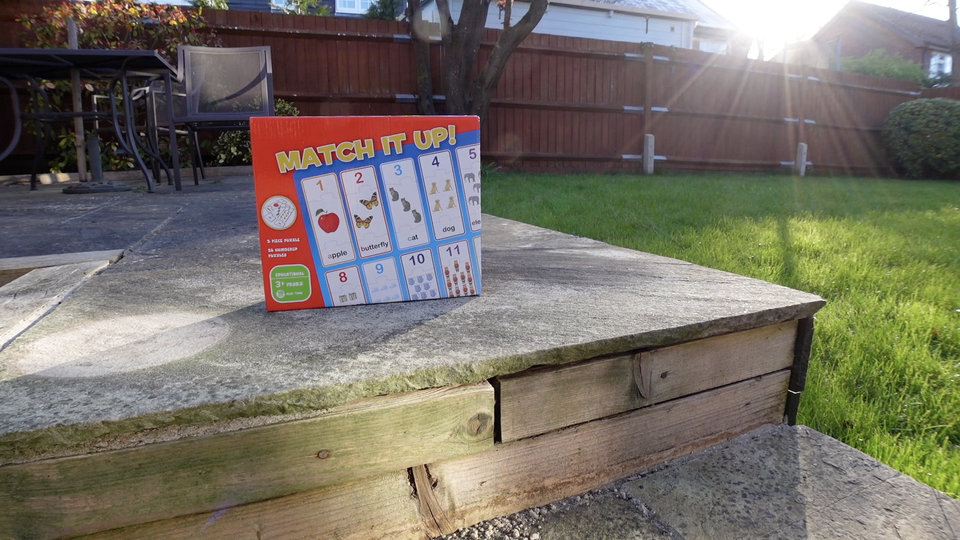
I use a children's puzzle to teach leaders about change. It sounds childish — but I have now run this workshop over 700 times, with teams as small as six and groups as large as 140. The pattern is always the same.
When I work with clients to solve difficult problems, I almost always start the same way — with a single sheet of A3 paper. A3 Thinking is not a template. It is a discipline for seeing clearly before acting.
Design is not just how products look and feel. It is how work flows, how value is created, and how clearly the path from idea to value is designed — or left to chance.
Succession planning is surprisingly simple — and yet very few managers actually do it. This essay explores why it matters, how it connects to retention, and how to start with nothing more than a sheet of paper.
Systemic problems have a particular feeling — the sensation of being stuck on a roundabout, solving the same issues, hiring new people, and yet arriving at exactly the same outcomes
The most powerful question at work — and the critical thinking discipline that makes it stick. Why clarity about the problem must come before solutions, plans, or action.
Most process improvement produces better-looking diagrams of processes that still don't work. Stapling yourself to the work is a different starting point — following what actually happens, not what the map says should.