Engine — Creativity & Climate
Creativity and climate — the conditions that allow good work to happen. Articles in this layer explore environment, energy, creative practice, and what leaders do to make good thinking more likely.
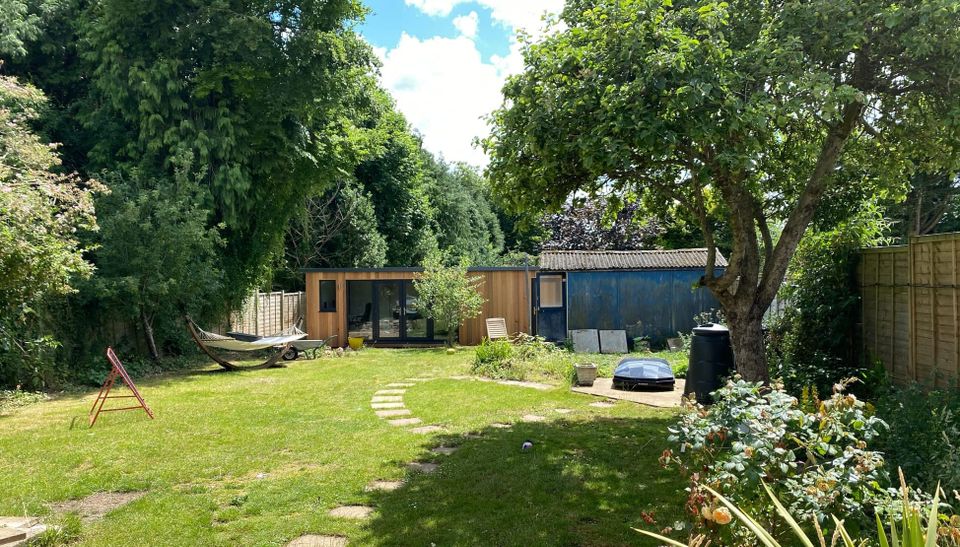
This is not a desk tour. It is an explanation of why the studio exists at all — and an invitation to join what happens inside it.
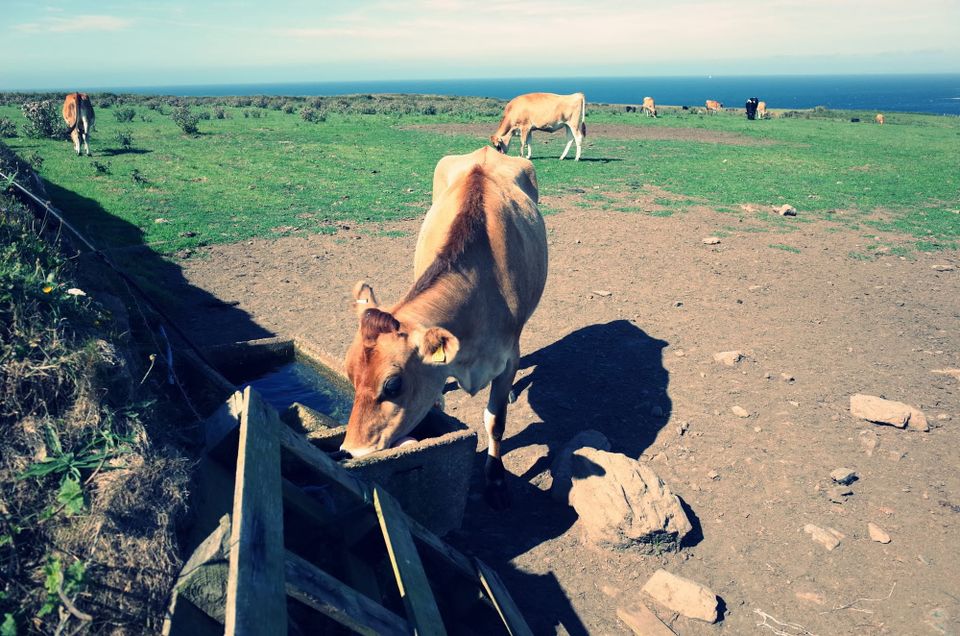
I won't pretend this came from a place of balance. My pillars of life had drifted. So I took a weekend retreat — not the romantic kind — to finally start a decade-old project. What I found was not peace. It was clarity.

I once consulted in an organisation experiencing a genuine wellbeing crisis. The executive team's conclusion: employees simply weren't resilient enough. More sick days were taken after the resilience training than before it.

Good leaders share a quiet but powerful trait: they notice. Not just the obvious events but the patterns beneath them — and they have developed the ability to frame what they see in ways that help others see it too.

Stoicism was a quiet revelation for me — not as abstract philosophy but as something practical that could be lived and tested every day in the world of work. Nine lessons for managers who want to lead well under pressure.
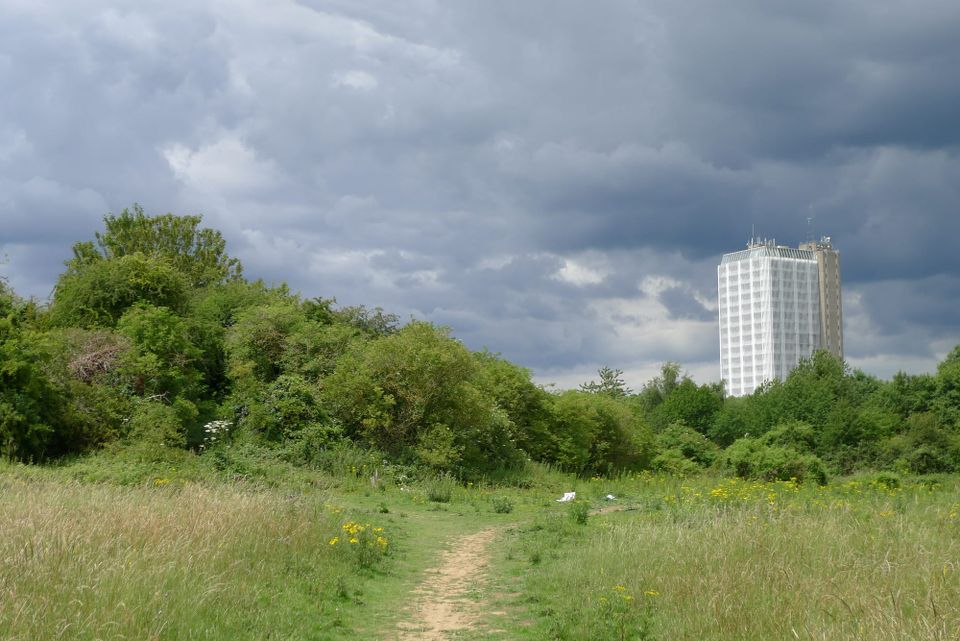
Employee engagement surveys have become a corporate ritual. But engagement cannot be outsourced or surveyed into existence. It is created, daily, by managers in the work itself.

John Wooden’s legacy wasn’t built on winning alone. It was built on behaviour, teaching, and an unwavering belief that how you show up each day matters more than the scoreboard.
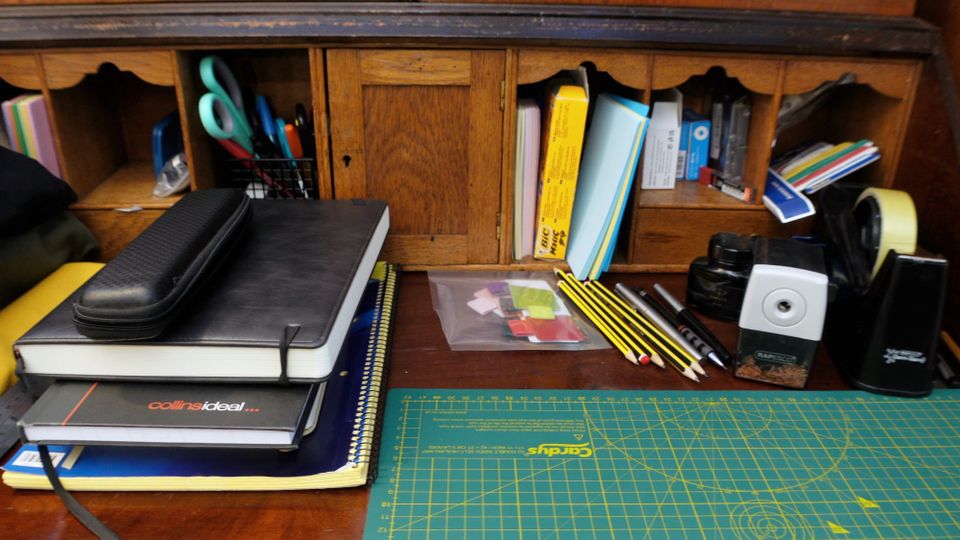
Journaling has been a lifeline for me — not in a dramatic way, but in a quiet, steady one. It changed how I think, how I lead, and how I process the things that would otherwise carry me off course
One of the questions I am asked most often is simple: how do I become a leader? There is no single answer. But over the years I have developed fourteen principles that guide how I try to lead.