
Let them eat PowerPoint
A field note on the deck that becomes the point. And brioche.
A field note on the deck that becomes the point. And brioche.

What trade skills, commercial awareness and practical judgement can teach us about turning ideas into value.
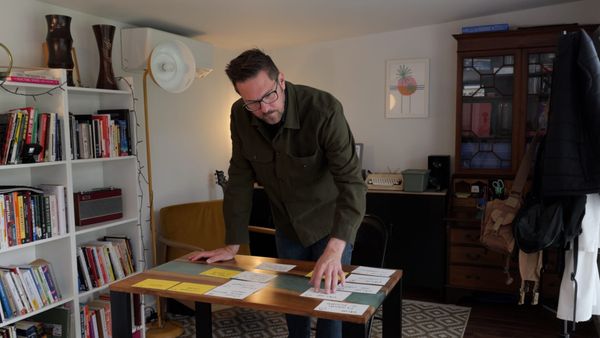
Here's how to structure a talk with a two-pound stack of index cards - plus the full step-by-step method, free to read in a complimentary edition of The Department of Interesting Things.
Most organisations think they're managing projects, products or people. But what if the thing being managed is the idea — and everything else is infrastructure?
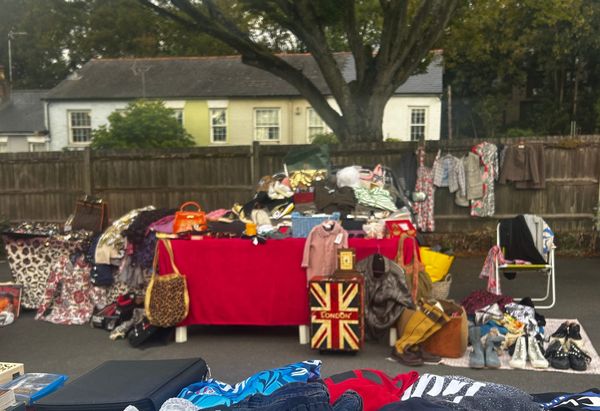
A hot Sunday, a stand full of tat, and my 12-year-old turning into a formidable negotiator.
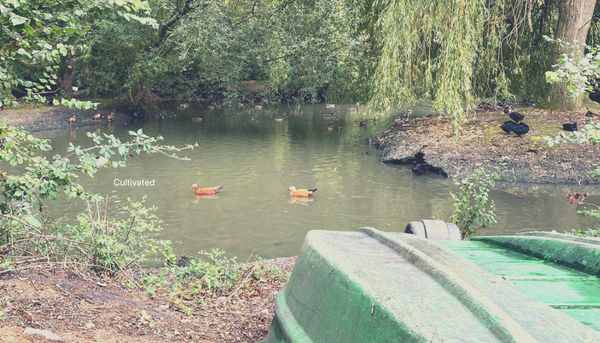
A field note on exploration, uncertainty, and finding unexpected things.

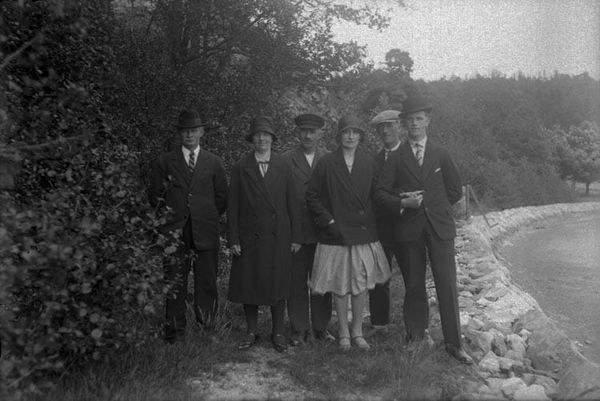
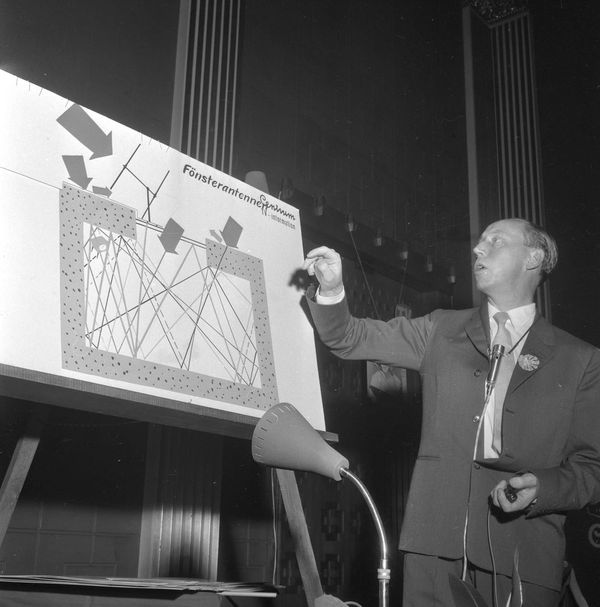
I don't know where my father took this photograph or who the figures are. But it taught me something important about storytelling, memory and the way we make meaning.
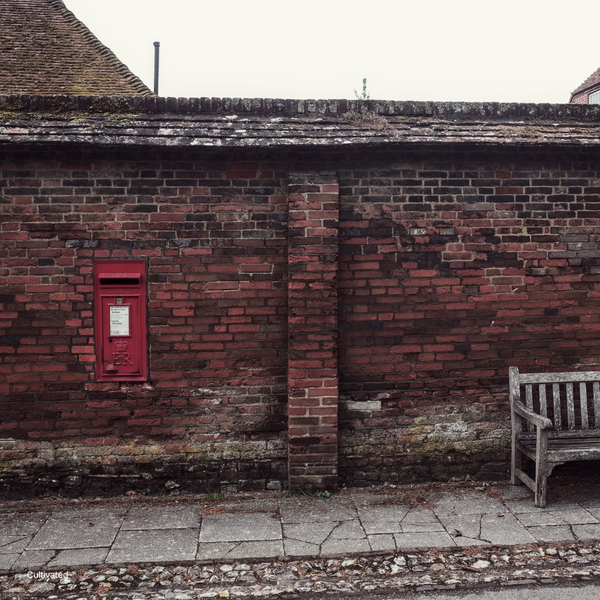
A reflection on Britain's postboxes, Anthony Trollope, and the remarkable act of trusting an invisible system for almost 175 years. And what we might learn about work.
Every presentation is an exchange. The audience gives us their finite resources, and the speaker gives value, perspective, meaning and something worth paying attention to.
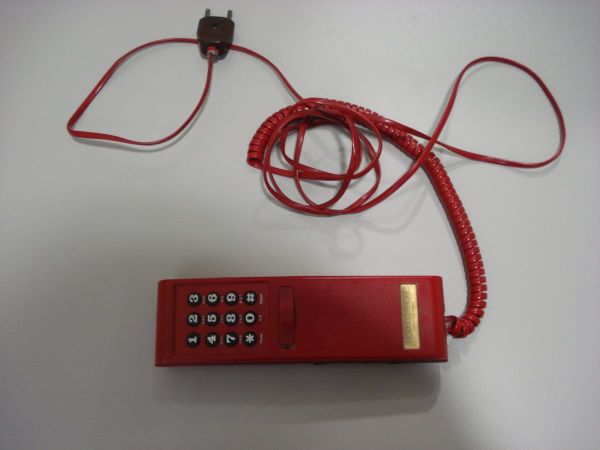
A brilliant, vastly interesting man, a telegraph pole, and half of Sheffield's phones. On the strange gift of fast feedback — and how much better work gets the moment the signal comes back quickly.
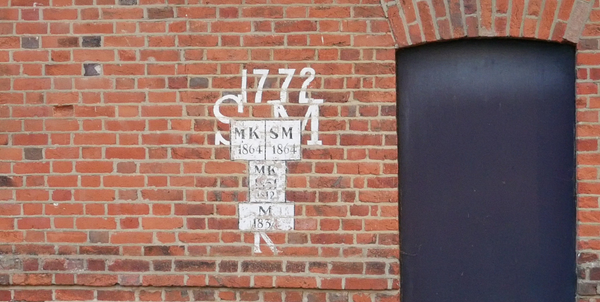
A wall in Winchester bearing initials dating back to 1772 offers a reminder that every organisation is built on decisions made by people who came before us.
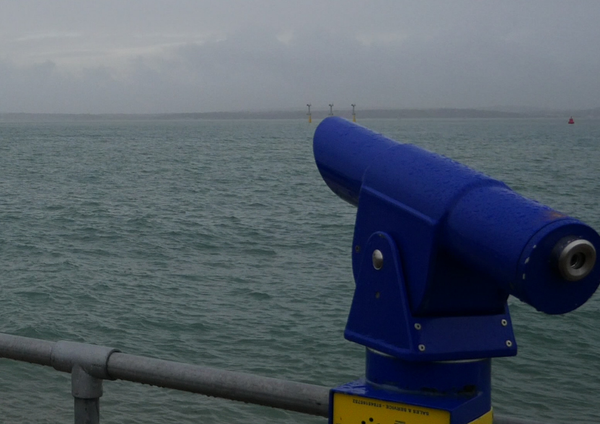
The telescope didn't improve the view at all. It just magnified the murk.
Communication (Wiring)
Dame Judi Dench, Louis Theroux and feeling alive on stage. The power of public speaking.

Creativity & Climate (Engine)
A lot of what underpins a business goes unnamed precisely because it often works. An episode of The Word at Work on gratitude as a form of seeing — and the question it leaves behind about what's carrying your work this week that you've stopped noticing.
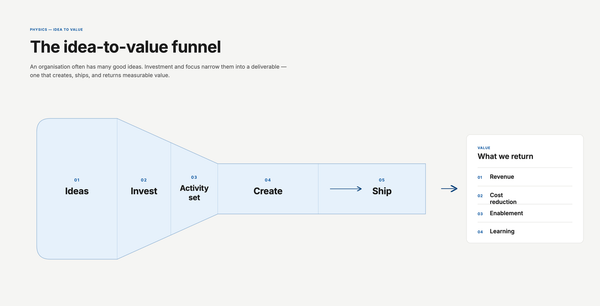
Idea to Value (Physics)
A product team had twenty million pounds and until year-end to turn it into something people would pay for. Then two other teams' good work landed on top of theirs — and someone had to choose which value moved first.
Creativity & Climate (Engine)
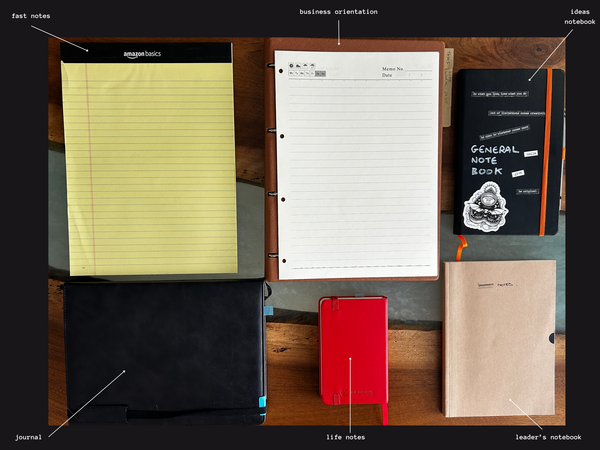
There's no perfect notebook — only the right container, with the right rules, for how long a note needs to live. Here's the method, and the six on my desk.
Communication (Wiring)
Most meetings that fail aren't badly run. They produce agreement instead of alignment — and the difference between the two is what people do on Thursday.
Communication (Wiring)
A model of how contribution actually travels across a working life. Four concentric modes — Practitioner, Multiplier, Reader, Author — communication as the carrier, and the practice underneath that keeps good ideas moving through work rather than dying on a Thursday afternoon.
Creativity & Climate (Engine)
Most organisations say they want to turn ideas into value and rarely manage it. Writers do it for a living. Here's what their craft teaches us about keeping an idea's meaning alive, from seed to shipped work.

Idea to Value (Physics)
I was in a room of small business owners when one of them asked me to explain how ideas become value.
Orientation & Direction (Map)
On a family trip round Europe's museums, a pattern kept surfacing: the best ones curate your attention as carefully as their objects. Here's what that has to teach the places we work — and why the most useful skill might be learning to see the room you're already in.

The Word at Work
We've made the word craft soft — craft beer, craft fairs, hand-crafted. Underneath sits an older meaning worth recovering: craft meant power. Here's where yours lives at work.
Communication (Wiring)
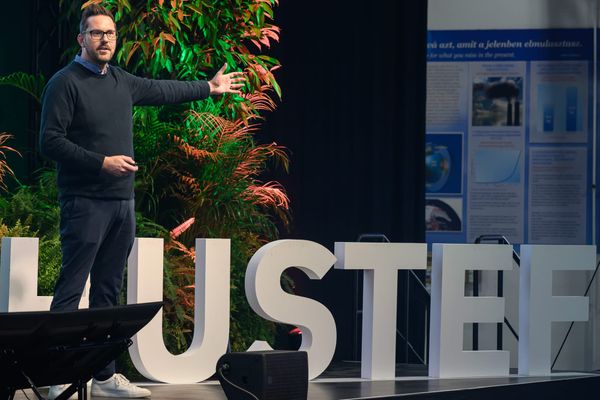
Being good at the work isn't the same as being good at explaining it. Public speaking is how ideas move through an organisation — and how to make yours travel.
Communication (Wiring)
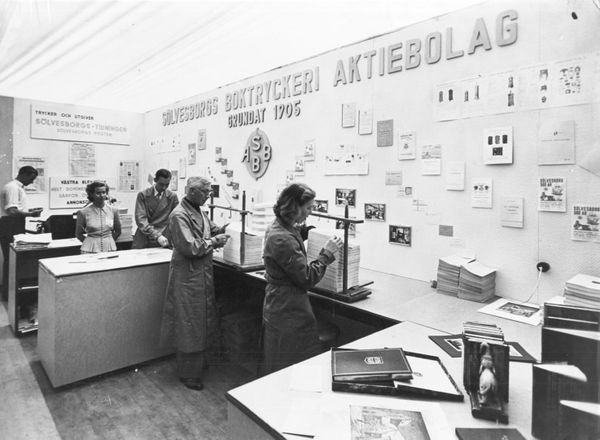
I thought I was researching old printing presses. Instead I found myself studying operating systems. A journey through the archives of the GPO, Braun, Lufthansa and the BBC — and what they were really building beneath the surface.