learning

Hierarchy is often blamed for dysfunction at work. In reality, most problems come from behaviour, capability, and responsibility — not structure itself.

You can teach the basics of any craft, but competence only emerges through practice. This essay explores why learning fails when it is mistaken for information transfer — and how real capability is formed.

Most workplace communication fails not because messages are unclear, but because feedback is missing. Sent does not mean received — and without feedback, meaning does not travel.
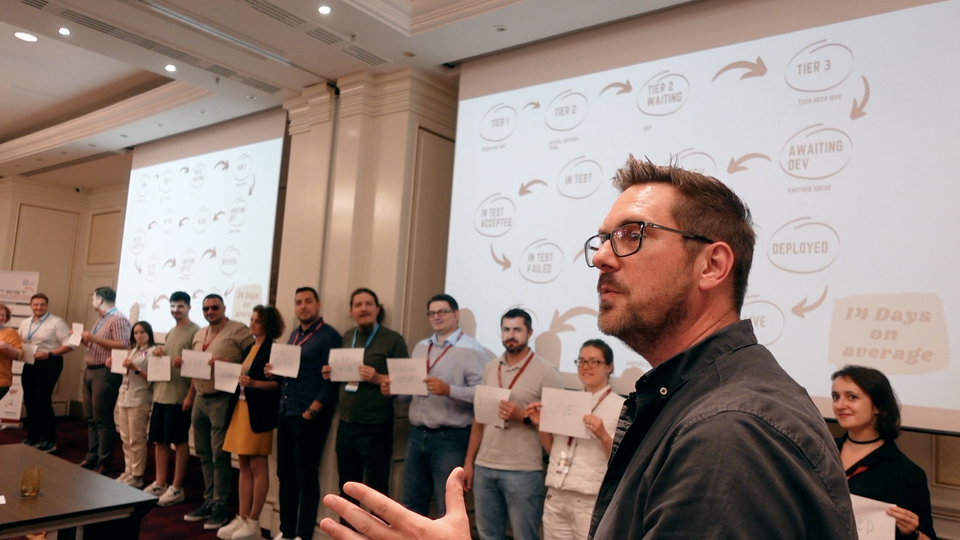
Running a workshop is not a performance or a checklist exercise. It is a craft — one that demands preparation, care for learners, and respect for the learning journey.

Good leaders do not wait for the future to arrive. They anticipate it, decide which version matters, and communicate it clearly enough for others to help bring it to life.

Most organisations struggle not because they lack ambition, but because they cannot translate imagined futures into focused momentum. Backcasting offers a disciplined way to bridge that gap.

Most organisational problems are not technical failures, but failures of clarity, alignment, and communication. This essay explores why clarity creates alignment, alignment generates momentum, and momentum is how ideas become value.

So much organisational effort is quietly wasted. This essay explores why work so often fails to translate into value — and why disciplined reflection may be the most underused management practice of all.

A short creative project exploring everyday creativity — originally conceived as a pop-up experiment and now published as a free guide.