creativity
On a recent trip, I became curious about how a large hotel actually operated. These are field notes from hospitality—lessons on clarity, alignment, communication, and how work really flows in practice.
Creativity isn’t a brainstorm. It’s a working rhythm: space to notice, time to explore, then the discipline to build — again and again.

An essay on music, silence, and how rhythm shapes attention, mood, and the experience of modern work.

A reflective essay on escape, attention, and creativity at work — using an old leisure model to explore why capable people disengage, and what it takes to move from numbing distraction back to meaningful creation.
Most workplaces have long rewarded one narrow form of intelligence. But there are at least eight — and the best organisations know how to recognise and use them all.
Dreams power organisations forward. Management exists not to suppress them, but to protect the conditions in which imagination, creativity, and value can emerge.
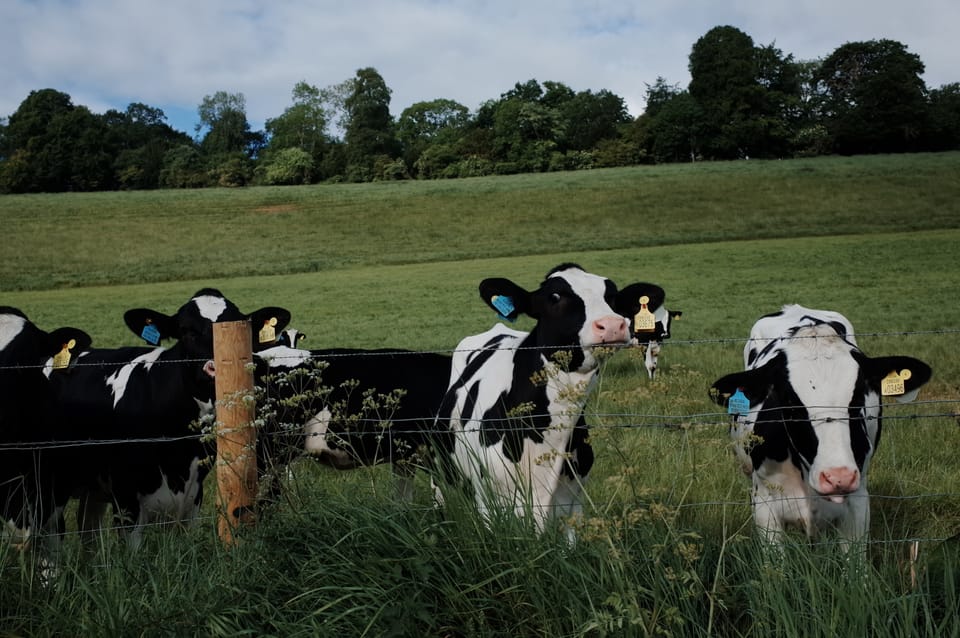
We often celebrate individual genius, but most meaningful work is created collectively. Creativity is less about brilliance and more about noticing, combining, and bringing ideas to life.
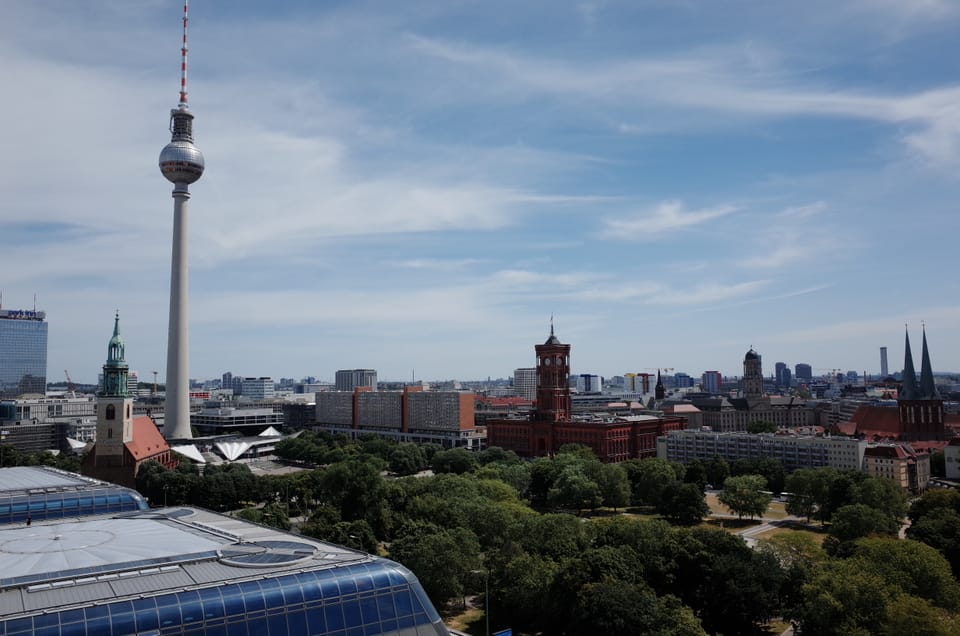
Most organisational problems are not technical failures, but failures of clarity, alignment, and communication. This essay explores why clarity creates alignment, alignment generates momentum, and momentum is how ideas become value.
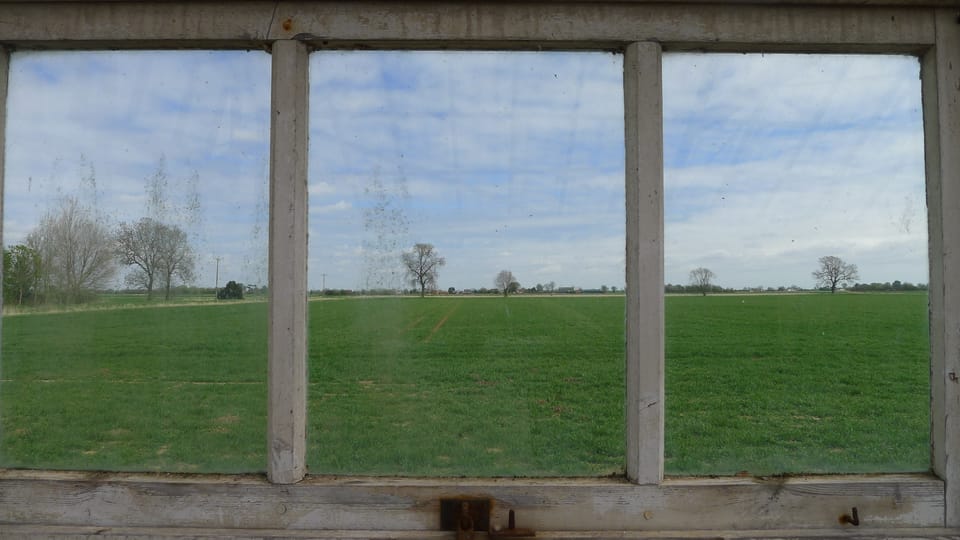
Creativity in organisations is not about generating more ideas. It is about seeing problems differently. This essay explores lateral thinking and Edward de Bono’s PO method as a practical way to unlock new paths to value.