Going From Vision to Reality
A compelling vision is the starting point for meaningful change. This article introduces the Painted Picture and how vision, clarity, alignment, and action shape organisational agility.

It Begins With Vision
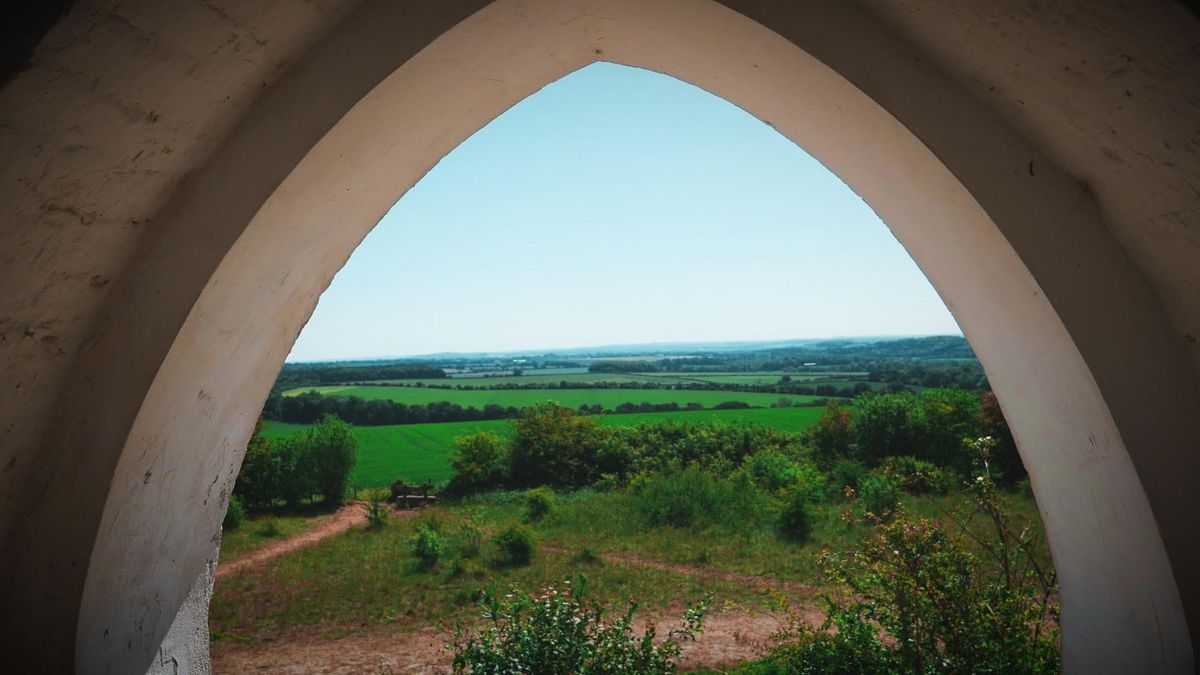
Every meaningful endeavour begins with a vision
— or what I call a Painted Picture.
Someone must see the organisation as it could be:
how it might serve,
how it might feel to work there,
what it could become.
Without that picture, work defaults to quarters, targets, and incrementalism. People sense the absence of direction.
Change slows.
Meaning thins.
A painted picture is not a slogan.
It is a felt image of a future worth moving towards.
Editor's note — where this sits
This essay sits in the Map layer of the Idea to Value system — the layer concerned with direction, orientation, and the painted picture that makes the future traversable. It introduces the arc from vision to momentum that runs through Cultivated's wider body of work on how ideas become valuable.
The Idea to Value system — five layers
The Arc of Change
Quick reference — the arc of change
The mapFrom vision to momentum — the arc at a glance
The mechanics vary for individuals, teams, and organisations. The arc does not.
01 — Vision
The painted picture
A felt image of a future worth moving towards. Not a slogan or a target — a compelling picture of how the organisation could serve, feel, and become.
02 — Insight
Grounded testing of the dream
Feedback, data, and honest counsel that check feasibility without flattening ambition. Vision without reality drifts. Reality without vision stagnates.
03 — Clarity
Stories, visuals, and waypoints
Shared understanding carried through narrative and images. Waypoints rather than instructions — inviting learning and judgment rather than constraining movement.
04 — Alignment
Shared belief and direction
Not compliance — belief, repetition, and shared language. Leaders repeat the story in many forms until people begin telling it to themselves, and others.
05 — Momentum
Learning-driven movement
Early, focused, visible action. Decision-making close to the work. Trust people with autonomy — they are aligned, they understand the vision. Let learning shape the next move.
Painting the Picture
Vision confined to a leader’s mind is inert.
It must be expressed.
Write it.
Sketch it.
Record it.
Model it.
Use words, diagrams, or artefacts — whatever turns a private image into something others can encounter and refine.
The future belongs to those who can communicate about it clearly.
Testing the Dream
A vision must be tested, but not extinguished.
Insight grounds imagination.
Feedback reveals blind spots.
Data checks feasibility.
Yet too much analysis flattens ambition.
Too many voices dilute intent.
Seek counsel carefully. Keep the dream alive while understanding reality.
Vision without reality drifts;
reality without vision stagnates.
Making the Future Visible
Clarity is not documentation.
It is shared understanding.
Stories carry vision where documents cannot.
They give people a way to see themselves in the future:
We are here.
Here is the challenge.
Here is what lies beyond.
Here is why it matters.
The middle of the story is unfinished.
That is where the organisation lives.
That part of the story needs to be written through movement towards the vision.
Models and Maps
People need to see the future, not just hear it.
Visuals, diagrams, and metaphors make the abstract tangible.
A simple model can travel further than a thousand words.
Direction matters too.
I use the metaphor of a Treasure Map:
waypoints rather than instructions.
Over-planning constrains movement;
waypoints invite learning, judgment, taste, decisions, intelligence.
Alignment
Vision becomes movement only when people align to it.
Alignment is not compliance.
It is belief, repetition, and shared language.
It is people galvanising around the vision and understanding their role in achieving it.
Leaders repeat the story in many forms until people begin telling it to themselves, and others.
When alignment forms, momentum follows.
Action and Learning
Clarity and alignment create the conditions for creative action and momentum.
Action should be early, focused, and visible.
Solve something meaningful.
Deliver something tangible.
Let learning shape the next move.
Decision-making belongs close to the work.
Trust people with autonomy.
They know what they are doing. They are aligned. They understand the vision.
Tie progress back to the Painted Picture.
Keep the future present.
The Arc of Change
This pattern holds for individuals, teams, and organisations. The mechanics vary. The arc does not. And it always begins with vision
From the Cultivated library
Idea to Value System
Guidebook + video series · Digital
The full system this arc maps onto — how ideas move from painted picture to value, and what reduces the friction between vision and the moment something real reaches the world.
From £19.99
Explore the system →Workshops & Keynotes
In-person or virtual · Bespoke
For organisations at any stage of this arc — building the painted picture, creating alignment around it, or working out why momentum hasn't followed clarity.
Enquire
Start the conversation →