Content Paint

Map — Orientation

Direction and orientation — where the organisation is going and where it is now. Articles in this layer explore vision, strategy, painted pictures, and the leadership work of establishing a clear direction.

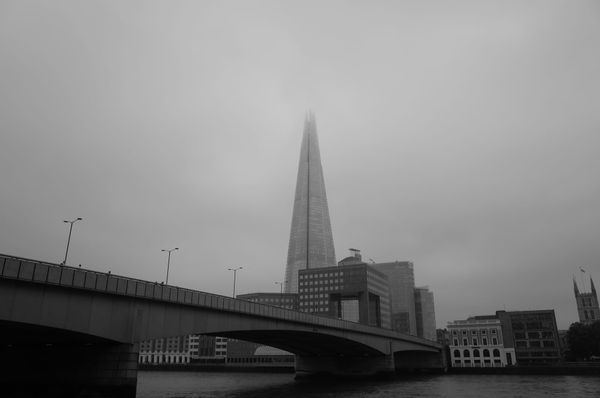
A photo of the London Skyline

The word priority is singular for a reason. Focus is not a productivity hack but a philosophical stance: meaningful progress begins by choosing one thing over everything else.

A photo of a fast car passing a window

Releasing Agility is not a framework — it’s a sense-making lens for leaders. Learn how meaning, reality, and people connect to execution through Idea → Value.

A photo of the Estuary in Padstow, Cornwall

Life cannot be balanced — only oriented. This essay explores the Pillars of Life: a way of looking at the tensions across the pillars that make us who we are.

A photo of the London Share on a misty day

Most career development is generic. The Trinity of Career Development — behaviour, strengths, wellbeing — is a framework for knowing yourself before you grow.

A photo of a reflection on reflection on reflection

There is a quiet principle in systems thinking: if people are part of the problem, they are also part of the solution. It sounds obvious. It is rarely practiced.

A photo of a building roof with trees around it

There is a question that sits above all the work. Not how do we work better or move faster. The question is simpler and much harder: what is all of this for? The Painted Picture is how leaders answer it — and how they create a future worth the effort.

A photo of a Ruin Bar in Budapest, Hungary

Every organisation is a book being written. The question for every leader is the same: what do you want your chapter to say? On narrative, clarity, and team growth.

A photo of the London Eye, London, England

Most strategies fail not because the direction is wrong — but because reality is avoided and the plan never gets communicated. Three principles that change that.

A photo of crops in Hampshire, England

Most organisations struggle not because they lack ambition, but because they cannot translate imagined futures into focused momentum. Backcasting does the opposite of traditional planning — it starts with the future and works backwards. Here is how to run it.

Your link has expired. Please request a new one.
Great! You've successfully signed up.
Welcome back! You've successfully signed in.
Success! You now have access to additional content.