Magnifying the Murk
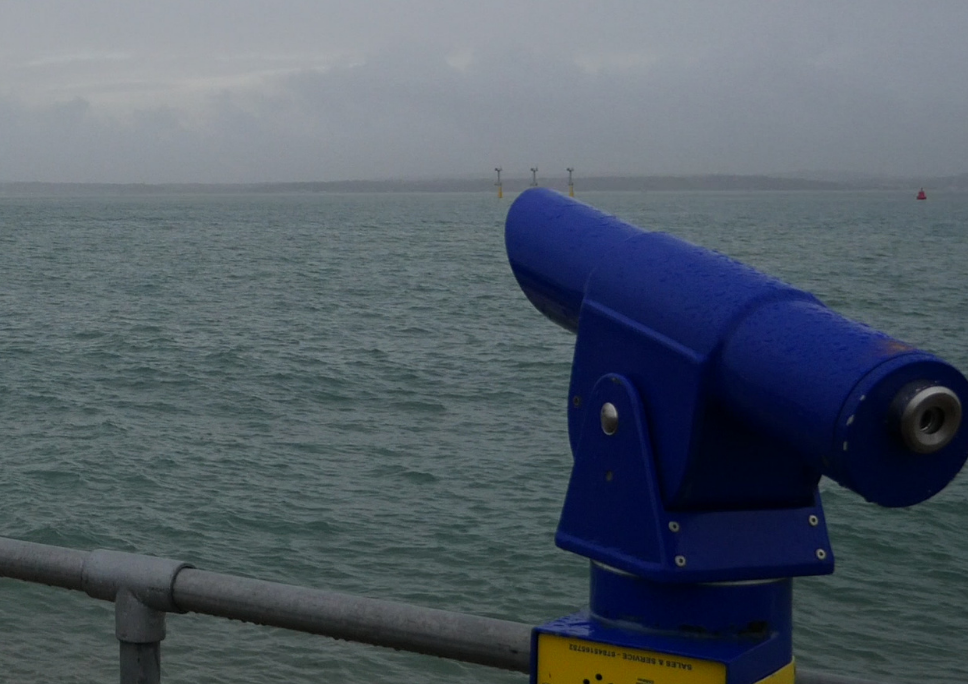
The telescope didn't improve the view at all. It just magnified the murk.

The Telescope at Southsea: Why Better Data Doesn't Always Mean Better Decisions
It was wet, windy and misty. The very British weather that makes sensible people stay at home with a nice coffee, and certain people, like me, drive to the seaside.
There’s a wonderful mix of charm to the British seaside town. The temperamental weather, the piers, amusements, arcades, busy cafes, candyfloss stalls, fish and chips and of course, the beach huts and British sensibility of sitting out on the beach no matter the weather.
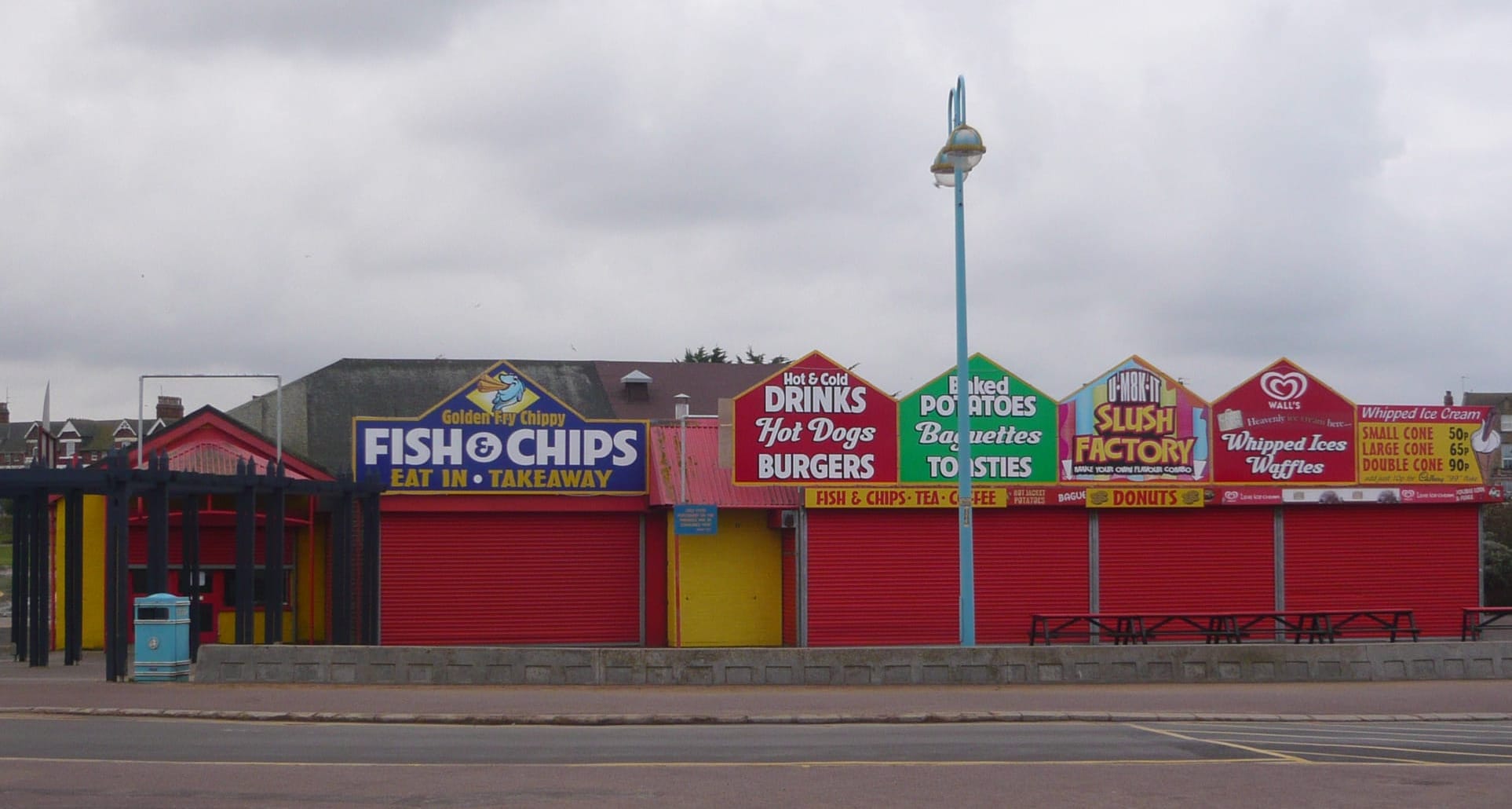
Not all seaside towns are created equal. Some ooze more charm than others. Some, I’ll be honest, feel a little dangerous. Some are overwhelmed with stag and hen parties – people meandering the streets in outlandish outfits at various levels of intoxication.
Some are decaying, some are thriving, but all have that quintessential charm of being enduringly interesting. Not for the qualities the seaside towns exude exactly, but more for the kinds of people they attract. And the insights we can glean from noticing in any place where people gather.
One such highlight, and likely because it’s very near to Winchester, is Southsea in Portsmouth. An hours drive and we emerge in a very pleasant seaside town with a rich history – one mostly of the British Navy. It’s undergoing an immense amount of regeneration, and I for one, am pleased. The boulevard has been widened, bike lanes added and the monuments seem to have been cleaned up too.
Editor's note — where this sits in the Atlas
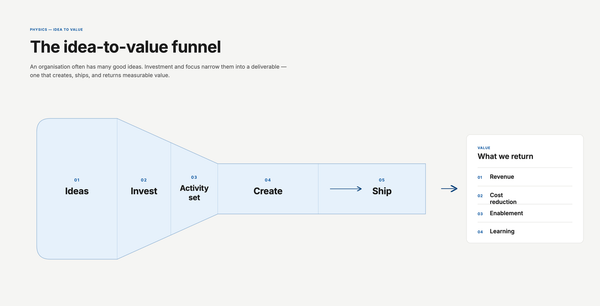
The Idea to Value system — five layers
Read all articles →
I’d selected Southsea as the location for making a film. At the time, I was convinced the world needed a video about organisational levers. Southsea, and YouTube seemed unconvinced.
It was wet, windy, cloudy and misty. It was quiet – a few dog walkers, some fitness folk, and me. I had a script that didn’t last long. The rain made the ink unreadable, then the paper into mush. I’d shot the talking head, grabbed some b-roll and braved the rain to get back to the car.
I have a habit of putting coins into telescopes despite repeatedly telling my children it's a waste of money. I guess it's the force of habit, probably — the same habit that makes me press the "call lift" button repeatedly or push buttons that say “don’t push” on them.
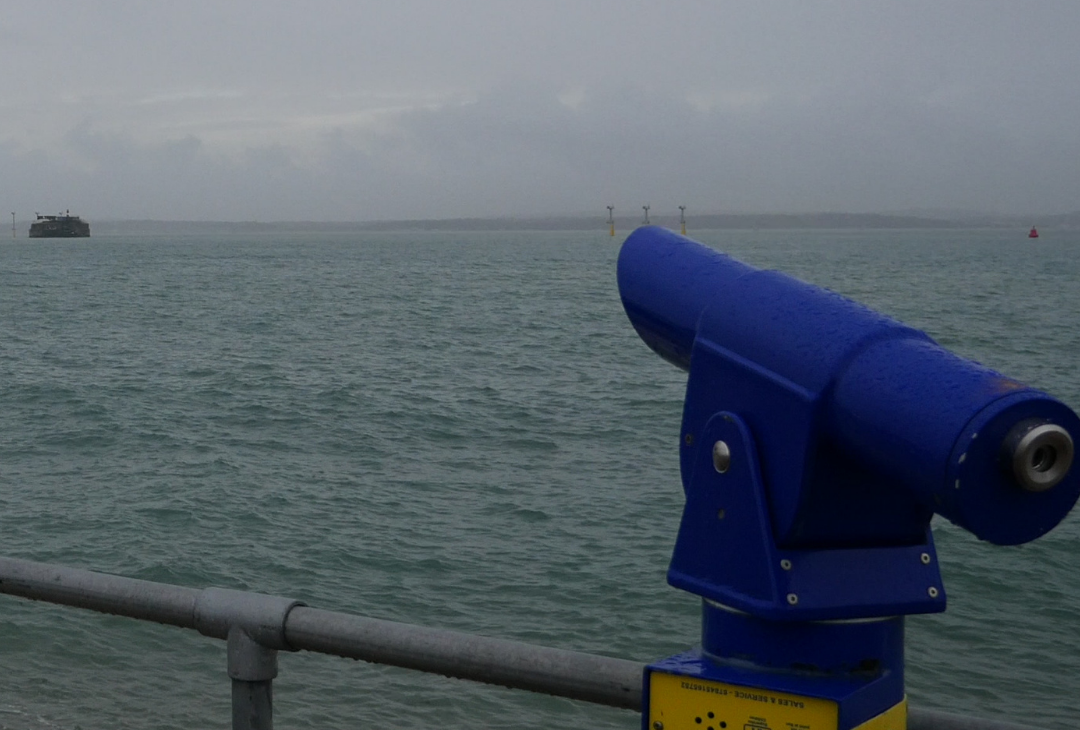
The visibility was terrible. There was a ship out there somewhere that I wanted to see – I could hear it’s horn. And of course, there’s the Isle of Wight hovercraft out there somewhere too – a fascinating machine to watch come and go from the terminal in Southsea over to the Isle of Wight, which is usually visible on a clear day. (There's a video showing that towards the bottom of this fieldnote.)
Magnifying the murk
After failing to see anything useful, getting soaked whilst filming and trying to get warm in the car, I realised that the telescope didn't improve the view at all. It just magnified the murk.
And I realised we do this at work constantly.
We invest in better instruments, supposedly better tools too. We divert people to build better dashboards, to capture data on anything we can and then gather armies of people to crunch, analyse, store and look after the data. We commission better reports, more insights and more presentations. We spend a lot of money.
As an aside, when working with one client, my first few days of studying discovered that around 70% of her team were spending all day, all week, building presentations from said data – none of which were changing the conditions in the business, and were simply confirming that the business did indeed have problems, lots of data and no clue where to look.
And here’s the problem, we often don’t need more data, more insights, infinite amounts of measures. We often need clearer conditions. We need to see more clearly than simply magnify the murk.
Some data, tools and reports might help that – but often we just need to get into the work to deeply understand it, so we can build a better view.
Anyway. The video turned out fine. I had a cold for a week after though. But it still didn’t dampen my spirit and love for the British seaside town.
There are still plenty of things to see, by the sea.
Most of them, I've found, reveal themselves once the murk clears.