From Idea to Keynote: Designing for Attention and Value
A keynote is not a performance. It is an act of value creation — where a distilled idea meets scarce attention. How to design a talk that earns what the audience gives.

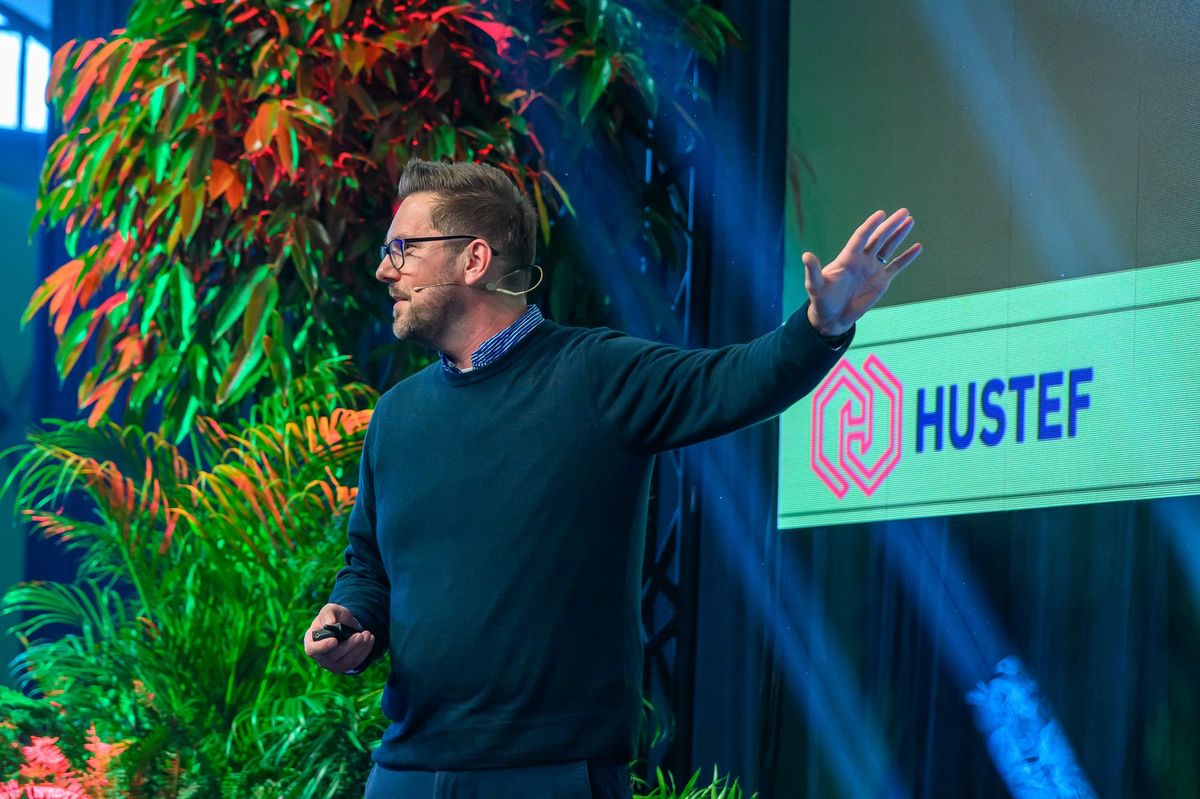
Why a great keynote is an act of value creation, not performance
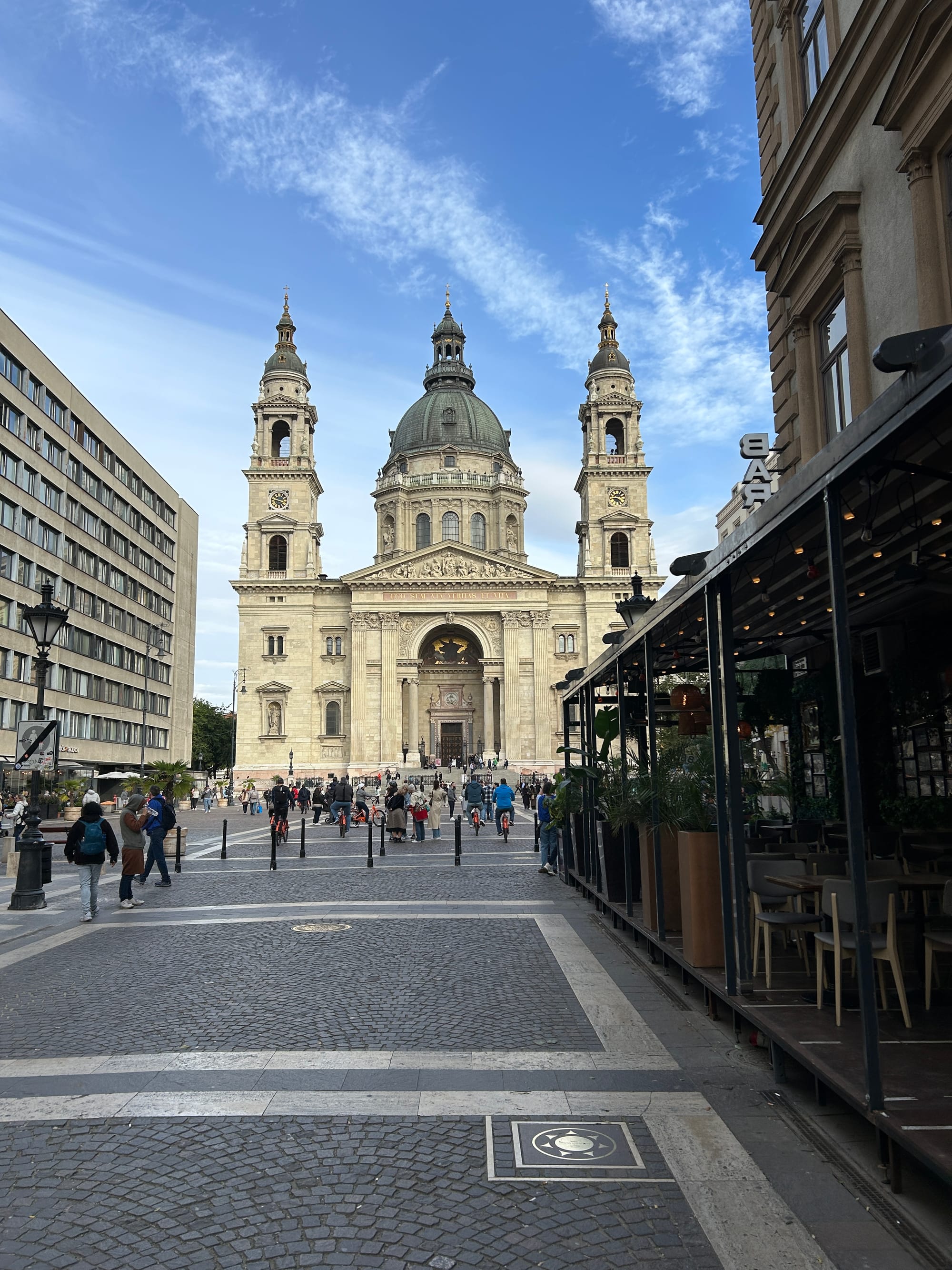
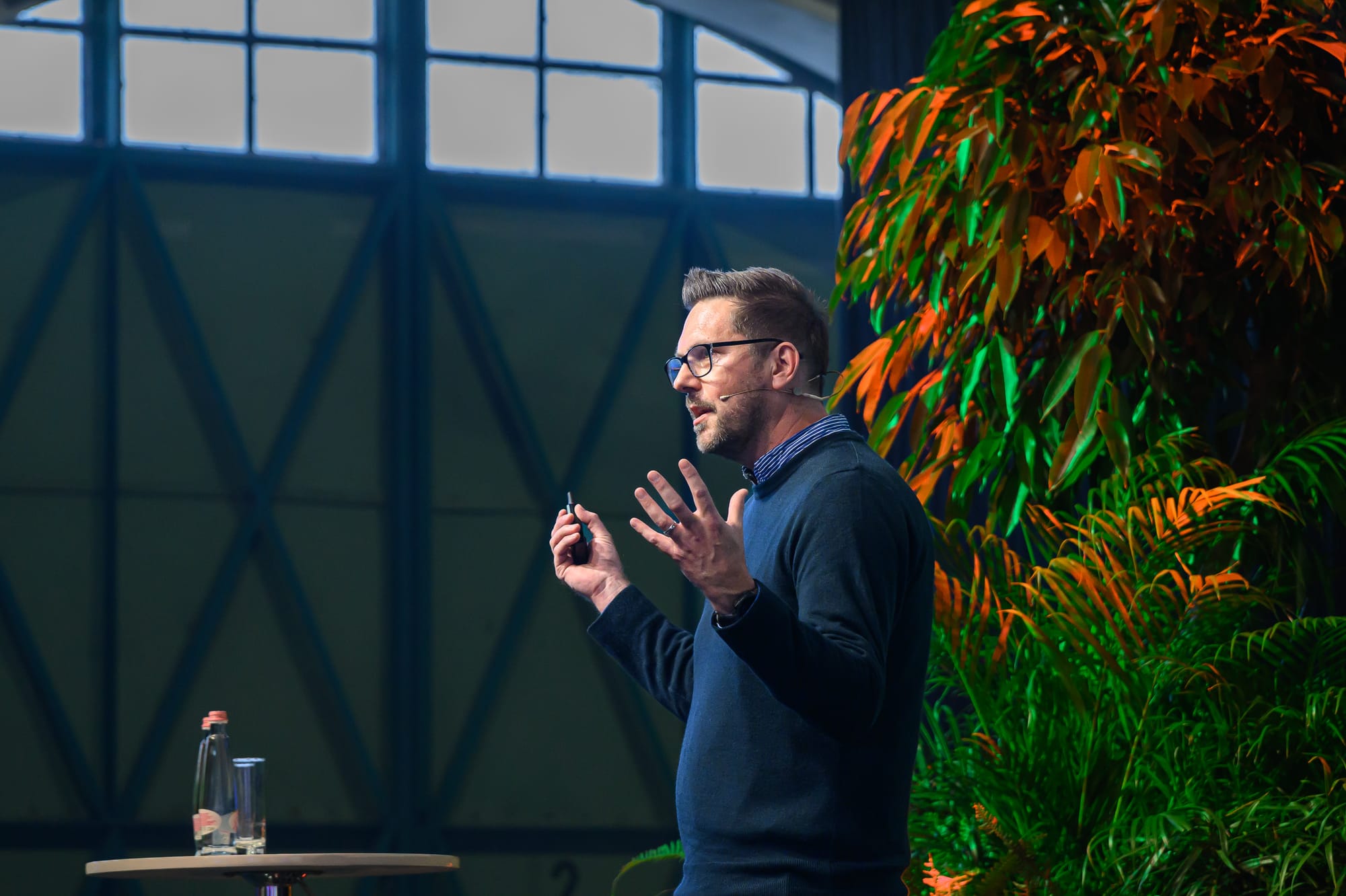
I had planned to record this reflection in Budapest, in the hum of the conference hall — that strange mixture of anticipation, nerves, free cake and collective attention.
Instead, I found myself doing what I often do: waiting for quiet, waiting for privacy, waiting for the perfect moment.
There rarely is one.
So here is the reflection I intended to share then: what makes a keynote resonate, not as performance, but as an act of value creation.
When people sit in a room to listen, they are offering something scarce
– time, energy, attention.
A keynote is an exchange.
The responsibility is asymmetrical.
The speaker must earn what is given.
The Idea Comes First
Every keynote begins with a spark. A line in a notebook. A tension you want to share. A solution you think others might like. A way of seeing you think others would benefit from knowing. A question that keeps circling in your mind.
That idea is not yet value. It is potential.
Turning it into something meaningful requires investment – reading, sketching, structuring, writing, rehearsing – the activity sets that carry an idea across the gap between curiosity and coherence, from an idea to value. Only when that work is done, and the meaning remains intact, does a valuable talk emerge – something speakable exist. Only then does it belong on a stage.
A Point of View Is the Spine
A keynote is not a lecture. It is a stance. It's a point of view put into words, and delivered with conviction and care. The most forgettable talks are neutral. The most memorable are anchored in a belief. A perspective gives an audience something to grapple with, something to disagree with, something to hold in their mind and noodle over.
Agreement is optional. Clarity of view is not.
Stories Are the Vehicle
Facts travel poorly alone. Stories carry them. Stories go where facts cannot. A story gives shape to complexity, context to abstraction, and emotion to logic. A keynote, like any narrative, moves through tension, insight, and resolution. Without story, information accumulates on slides. With story, meaning travels with people.
The Invisible Work
The ease of a good keynote delivery is deceptive. It is the residue of effort. It's the final 10% on top of the 90% of hard work. Writing and rewriting. Removing lines that we love but distract. Rehearsing until the structure is internalised. Practising until delivery becomes embodied rather than memorised.
Preparation is not about perfection. It is practice. It is about freeing attention on the day to be present, responsive, and human.
Generosity as Design Principle
A keynote is not a performance for applause. It is an act of giving. The speaker offers a distilled idea. The audience offers attention. Value is created in the overlap.
Generosity is not a tone, or a freebie at the end, or a discount on a product.
It is a design principle: choosing clarity over cleverness, usefulness over vanity, coherence over excess. And ultimately, giving the audience what they deserve – a good use of their time, energy and attention.
Keynotes as Idea → Value in Miniature
Every creative act follows a similar arc – an idea, an investment of attention, a set of activities, a period of craft and refinement, shipping and value creation. A keynote is a compressed version of organisational value creation. It is an idea that crosses into reality through disciplined effort and deliberate sharing.
The talk is not the point. The transfer of meaning is.
There's a video that goes with this piece, on Creative Soul Projects. Same person, same observation — just followed on camera instead of on the page.
Where this sits in the Atlas
Orientation·Idea to Value·Communication·Creativity & Climate·Learning
Photos from Budapest