Cultivated: Notes on Seeing, Work, and Life
A long-form essay on noticing, movement, and making sense of complexity — through travel, work, and the quiet principles that make both more humane.

A long-form essay on noticing, movement, and making sense of complexity — through travel, work, and the quiet principles that make both more humane.
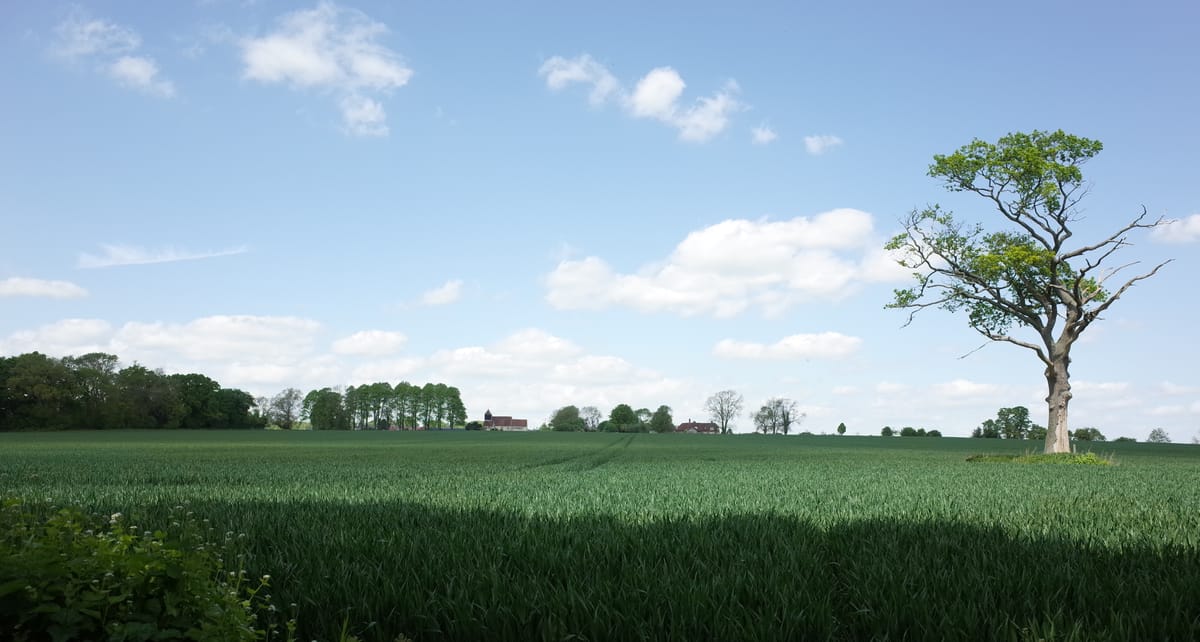
Editor’s Note: This essay sits at the intersection of work, travel, perception, and attention. It is not a travelogue, and it is not a leadership framework. It is a set of field observations about how humans navigate complexity — in cities, organisations, and themselves.
Across different places and moments, a single pattern emerges: clarity, creativity, care, and courage are not techniques. They are ways of seeing. When perception shifts, systems become legible. When attention deepens, movement becomes possible.
An essay on noticing, work, travel and moving through the world
The same principles that make work humane
also make life navigable.
Clarity.
Creativity.
Attention.
Care.
The courage to act on what you already know.
These aren’t management techniques.
They’re human ones.
We tend to treat work and life as separate domains — one to be optimised, the other to be endured, escaped from, or recovered after hours. Work becomes something we manage. Life becomes something we fit around it.
For a long time, I accepted that separation without questioning it.
Travel changed that.
Not travel as escape, or leisure, or accumulation of stories — but travel as exposure. To unfamiliar places. Unwritten rules. New food. New Cultures. Different rhythms. New ways of moving through space and time.
When you arrive somewhere you don’t know, you can’t rely on habit. You have to pay attention. You notice patterns. You read the room. You learn to watch. You adjust your pace. You stop forcing outcomes and start responding to what’s actually there.
You become more human.
What surprised me was how familiar that felt.
The skills required to move through unfamiliar cities — to navigate without dominance, to stay curious instead of defensive, to sense when to act and when to wait — turned out to be the same skills required to move through modern work.
Work, like travel, is full of complexity.
Ambiguity.
Unspoken norms.
Invisible systems.
Human relationships that don’t behave like machines.
And yet we often try to approach it as if it were predictable, optimisable, controllable.
That’s where friction creeps in.
That’s where exhaustion begins.
Creativity, in this context, isn’t about ideas or output.
It’s about perception.
It’s the ability to make sense of complexity without flattening it.
To recognise patterns without oversimplifying them.
To see systems clearly enough to move within them — without trying to dominate or control them.
Creativity is how complexity becomes intelligible.
When creativity is present, work becomes more humane. People stop compensating. Conversations soften. Movement becomes possible.
When it’s absent, even the simplest task feels heavy. Everything requires effort. Nothing quite flows.
And when creativity returns — through curiosity, wonder, and attention — life itself becomes easier to navigate.
Not simpler.
Just legible again.
This isn’t an essay about leadership, travel, or work in isolation.
It’s a collection of observations — moments where places, people, and systems revealed how they actually function. Moments where seeing clearly mattered more than acting decisively. Where restraint achieved more than force.
What follows isn’t instruction.
It’s an invitation.
To notice.
To study.
To reflect.
Because once you learn how to see,
both work and life begin to meet you differently.
Clarity Comes First
Berlin. Winter. Grey in that particular, unromantic way the city does so well.
I was cold, under-slept, and carrying the kind of hangover that feels less like regret and more like a dramatic punishment. The beer is strong in Germany. The hotel room had flooded sometime in the night — pipes, radiators, something industrial and unhinged — and everything I owned was damp. Clothes. Notebooks. Shoes. Socks.
I needed food. Quickly. Something hot. Something simple. Something unmistakably German.
I found a hotdog stand in a grimy part of town — stainless steel, flickering lights, graffiti - a stark industrial landscape to match my mood. A laminated menu in German, no translations. The know-your-order-or-move-along kind of place.
I stepped forward, pointed vaguely, and said the only thing I was confident wouldn’t betray me.
“A hotdog.”
This did not help.
The owner froze, stared at me, then launched into a stream of German that felt less like a question and more like an accusation. I smiled. Nodded. Made the universal gesture of a man who has already lost control of his mind and events.
He shrugged — a theatrical, dramatic shrug — and began assembling something that looked like a hotdog only in the loosest technical sense. Sauces I hadn’t requested. Toppings I didn’t recognise. A random selection of decisions, made rapidly and with visible irritation.
Two guys sitting at the plastic tables outside were openly laughing now. Not cruelly. Just entertained. This was clearly not the first time they’d seen this show.
The hotdog was handed over with a thud. I paid, retreating to a plastic table. I took a bite.
It was....interesting....then awful.
Not disastrously awful. Just confused. Too many things pulling in different directions. Nothing quite working together. The taste matched my mood — uneven, confused, and vaguely resentful.
I stood there chewing, damp shoes soaking through, thinking how strange it was that nobody here, in this situation, had done anything wrong.
The man behind the counter wasn’t incompetent.
I wasn’t unreasonable.
The guys laughing weren’t malicious.
But there was no shared understanding of what was actually needed.
I hadn’t ordered a bad hotdog.
I’d ordered without clarity.
And once that moment passed, everything downstream — the effort, the ingredients, the outcome — was already compromised.
Most problems in work feel exactly like that hotdog.
People aren’t resisting.
They aren’t stupid.
They aren’t even disagreeing.
They’re responding to a lack of clarity.
Clarity isn’t more explanation.
It’s not louder instructions.
It’s not better PowerPoint.
It's not more editorial space.
It’s the quiet, often invisible work of making sure we’re talking about the same thing before we start acting.
When people can see clearly, they rarely need managing.
They stop guessing.
They stop compensating.
They stop adding random toppings in the hope something works.
They move with purpose.
They do what they are good at.
They get the right things done.
Seeing precedes accurate momentum.
Everything else is just sauce.
Creativity Is the Engine
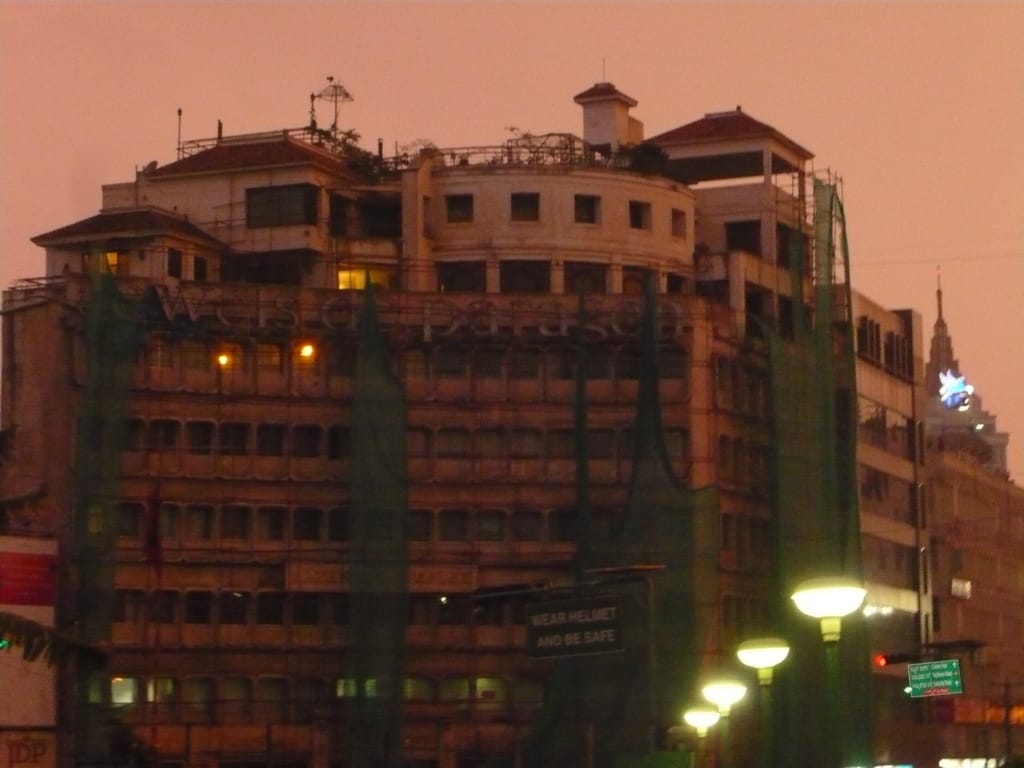
India overwhelms you first.
Sound, heat, colour, density — everything arrives at once, with no regard for your internal bandwidth or attention space. People everywhere, all moving, all trying to get somewhere, somehow finding space to exist alongside one another.
Nothing about it feels optimised.
Nothing pauses to explain itself.
My introduction came quickly — a taxi ride from the airport to the hotel.
The road was designed, at best, for two cars wide.
There were six.
They moved side by side, inches apart, buses brushing mirrors, scooters threading gaps that didn’t appear to exist. Horns sounded constantly — not in bursts of anger, but in a steady, conversational rhythm.
At first, I braced for impact.
In the UK, a horn means irritation. Warning. Escalation. Someone has made a mistake and is about to be told so.
Here, it meant something else entirely.
I’m here.
I’m moving.
I see you.
Each driver adjusted continuously — small corrections, moment by moment — responding to sound, proximity, movement. No one seemed to dominate the road (maybe the lorries did). No one waited for permission. The system flowed because everyone was paying attention.
What looked like chaos from the outside was, in fact, coordination.
There were no lanes worth trusting.
No signals anyone seemed to follow.
No central authority managing the situation.
And yet — somehow — it worked. Mostly.
I realised that what I was witnessing wasn’t disorder. It was a different kind of intelligence.
This wasn’t a system designed for control.
It was a system designed for presence.
Meaning didn’t come from rules.
It came from relationship.
The horns weren’t noise.
They were information.
Creativity, in that moment, wasn’t about ideas or innovation. It was perception in motion — thousands of people reading the environment, recognising patterns, responding without overthinking.
Once I saw that, my body relaxed. The tension drained away. The road didn’t change — but my understanding did.
And with that shift, everything became intelligible.
I’ve seen this mistake repeated countless times since — in organisations, teams, and well-intentioned transformations.
We mistake complexity for intelligence.
Noise for dysfunction.
Human behaviour for inefficiency.
So we try to simplify it. Quiet it. Control it. Organise it on paper.
And in doing so, we often destroy the very intelligence that was keeping things moving.
Creativity is what prevents that.
Not creativity as decoration or performance, or art or painting, but creativity as the ability to see what’s actually happening — to recognise the pattern beneath the surface visuals and mess.
When that perception is present, complexity becomes navigable. Understandable.
When it’s absent, even the cleanest system grinds to a halt. Sterile environments are predictable. Human systems aren't.
India didn’t teach me how to drive differently.
It taught me how to look.
And once you learn that — once you stop demanding order and start paying attention — you realise that many systems don’t need fixing at all.
They need understanding. And then navigating with perception, care and understanding.
Most Problems Are Relational
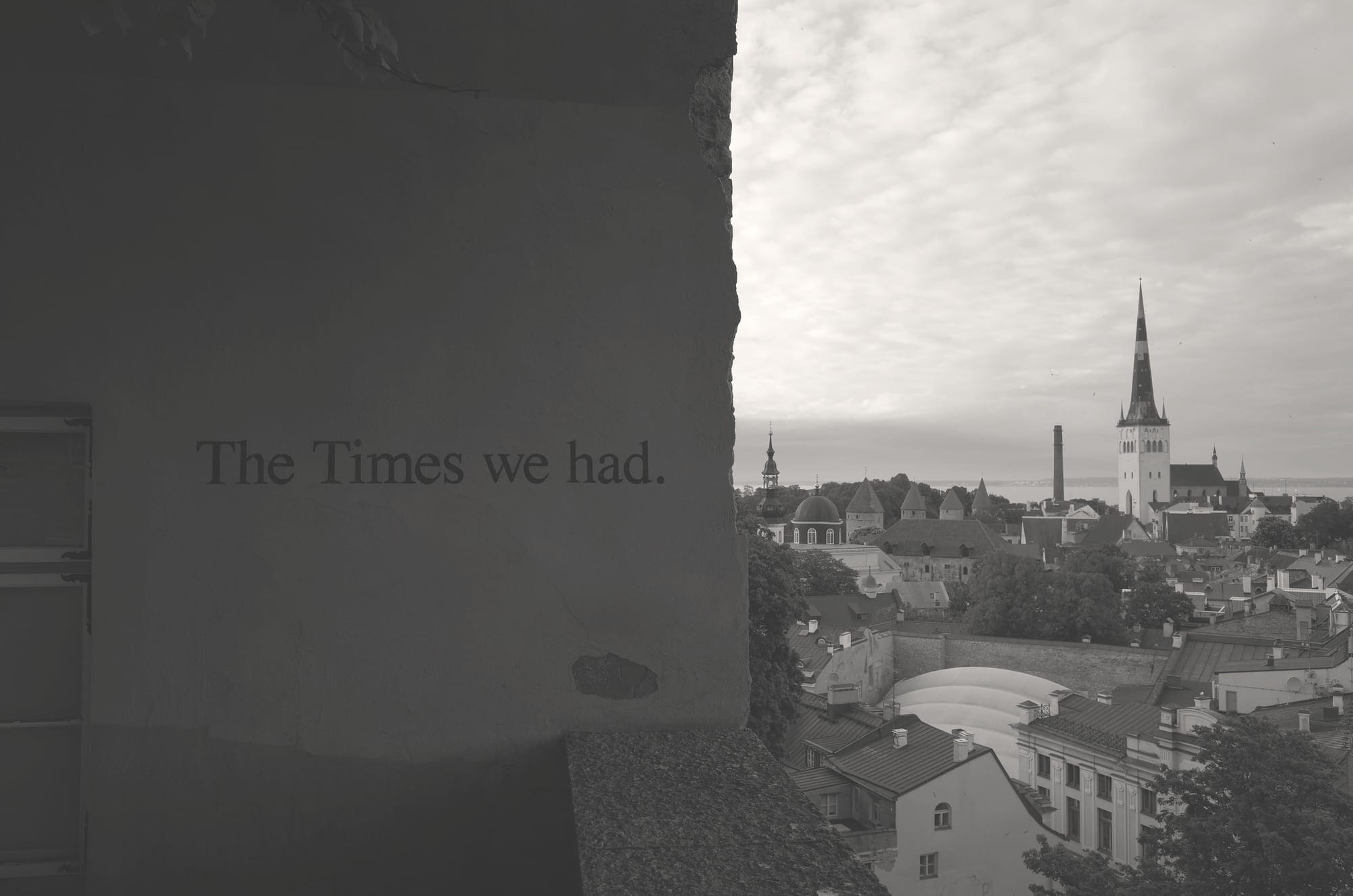
Tallinn is a city that doesn’t rush to meet you.
It reveals itself slowly — medieval streets worn smooth by centuries of footsteps, sea air drifting in from the Baltic, light that feels thinner, sharper, more deliberate. I spent the day wandering with a camera, drawn to textures rather than landmarks. Stone walls. Narrow alleys. Cars. People. Shadows that seemed to reveal history itself.
That evening, as often happens when travelling, I ended up in a small local bar. Wood-panelled. Dim. Quiet in a way that felt intentional. A biker nursed a drink at the counter, saying very little, but somehow anchoring the room. No performance. No noise. Just presence. And plenty of dried Elk to eat.
It felt like a city comfortable with restraint.
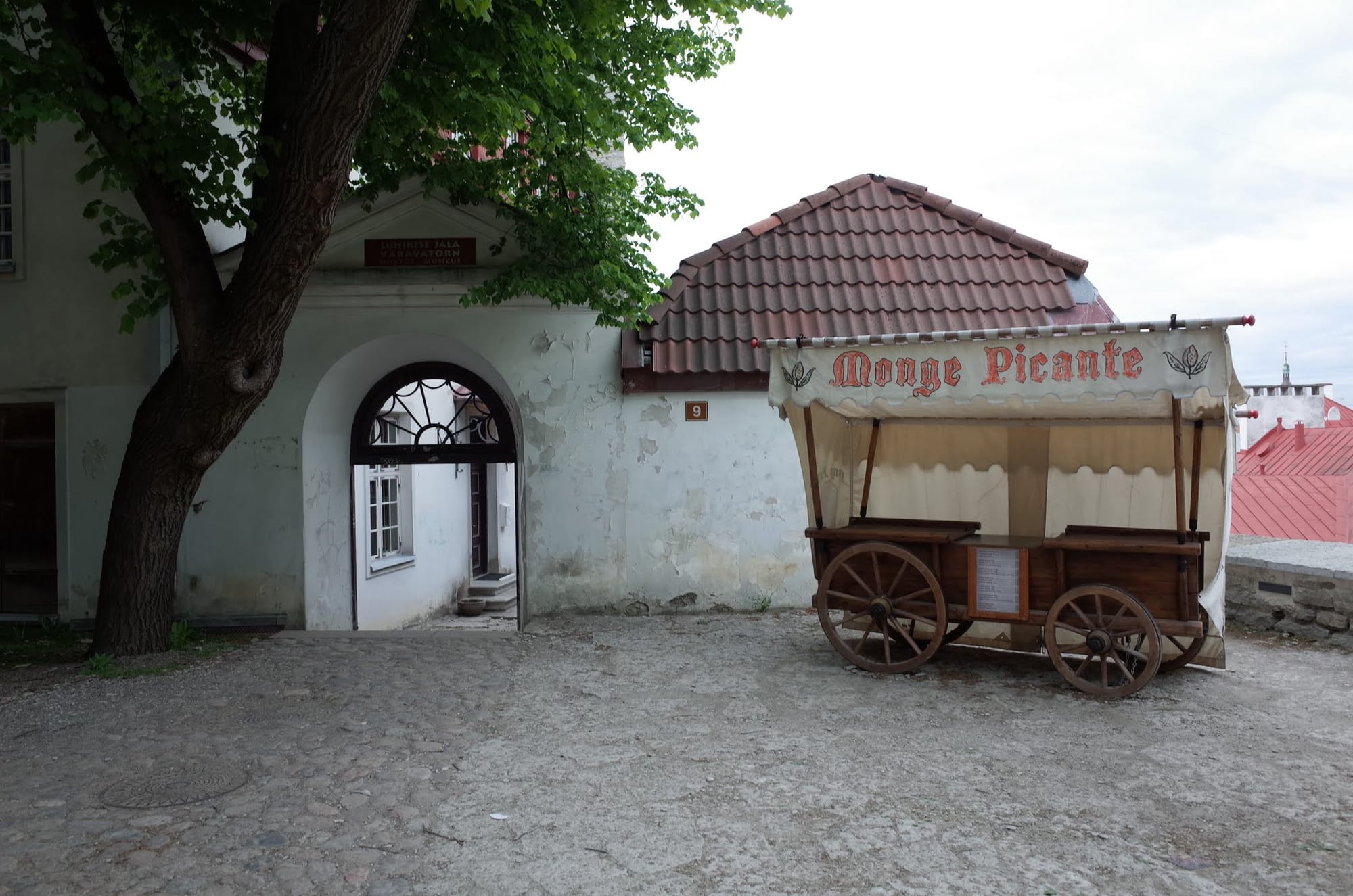
The next day, I gave a keynote.
On paper, it should have worked.
The material was solid. Familiar ground. Stories I’d told before — stories that usually found their rhythm through laughter, nods, the small affirmations speakers learn to read.
This room offered none of that.
No laughter.
No smiles.
No visible recognition.
Faces stayed composed. Arms folded. Eyes fixed on me, attentive but unreadable. The silence between sentences felt heavy — the kind that invites self-doubt if you let it.
So I did what people often do when they think something isn’t landing.
I added more.
More energy.
More enthusiasm.
More stories.
More jokes.
I pushed harder, louder, faster — mistaking expression for engagement. By the end, I was spent. Properly emptied. Drained. The applause that followed was gentle, polite, and utterly unconvincing.
I knew I’d failed.
In the breakout area — standing over plates of raw vegetables — I found the organiser and apologised. I told her they shouldn’t pay me. That it clearly hadn’t worked. That I’d misjudged the room. I'd let her, the audience, the conference, and myself, down.
She looked at me, slightly puzzled.
“Hold on,” she said — and disappeared.
She returned later, having spoken to several attendees.
“They loved it,” she said.
“They thought it was excellent.”
It took a moment to register.
What I’d taken for disinterest was attention.
What I’d read as disappointment was respect.
The absence of outward reaction wasn’t rejection — it was cultural restraint.
The problem hadn’t been the work.
It was the relationship between speaker and audience — and my assumptions about how appreciation should look.
Nothing was broken.
I’d simply misread the signals.
Tallinn had already shown me this the night before — in its streets, its bars, its quiet confidence. I just hadn’t applied the lesson to the room I was standing in.
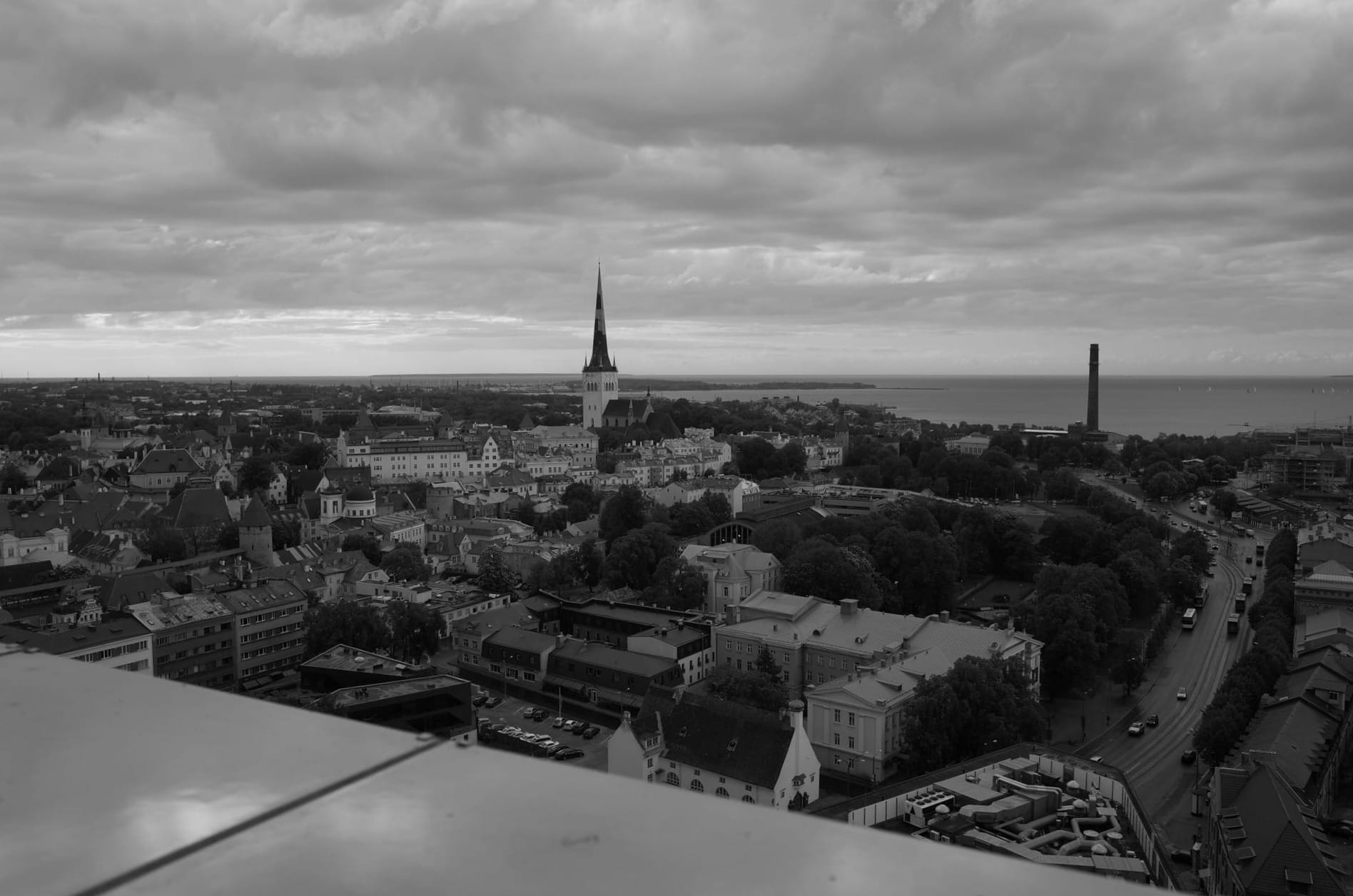
Most problems aren’t technical.
They’re not motivational.
They’re not even disagreements.
They’re relational.
We assume resistance where there is difference.
Conflict when there is disagreement and discussion.
Failure when there is low key verbal and non-verbal responses.
Disengagement where there is thoughtfulness.
And when we misread the relationship, we exhaust ourselves trying to fix things that were never broken — instead of adjusting how we’re relating to the people in front of us.
Remove Noise Before Adding Ideas
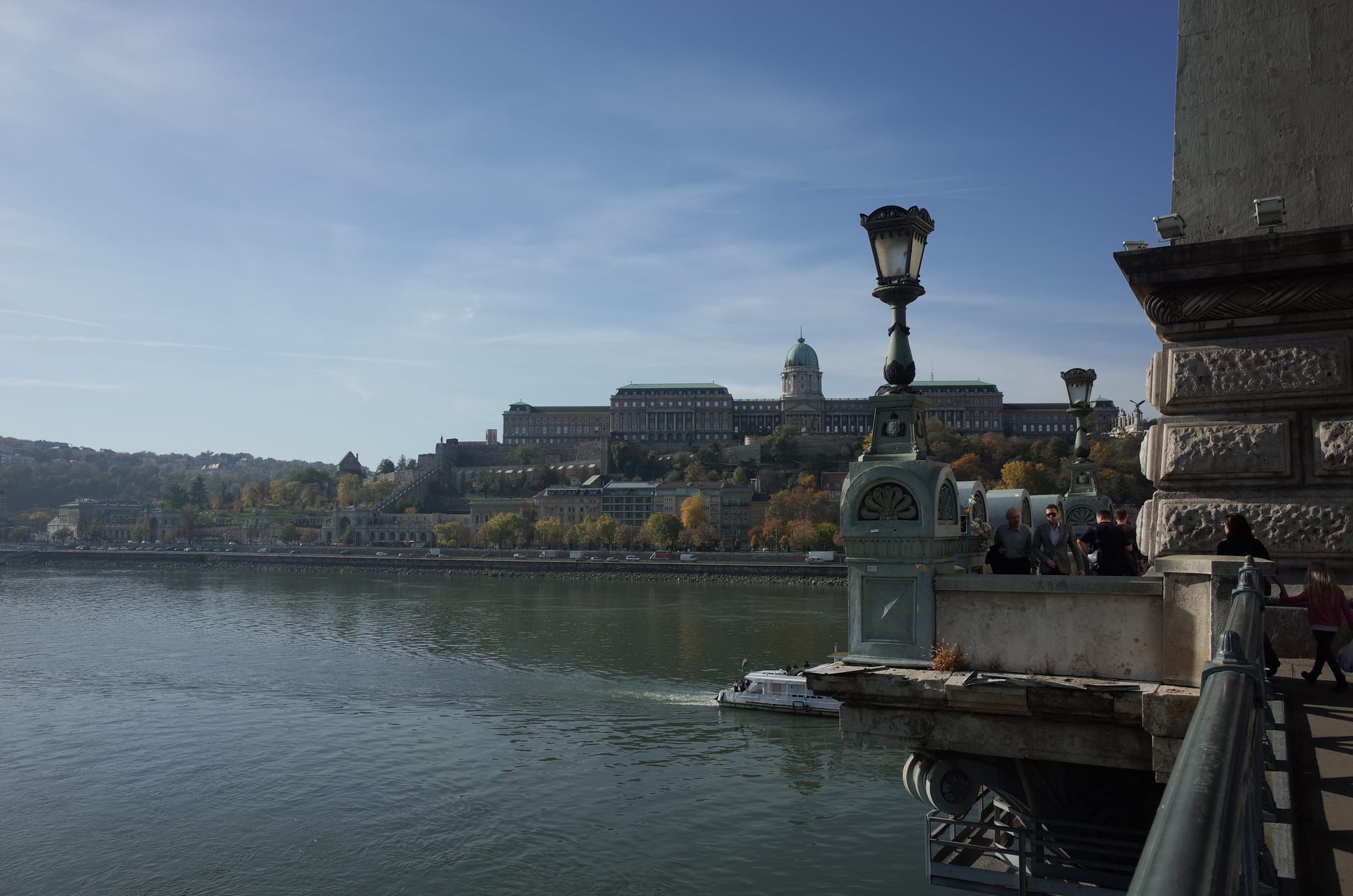
I have a long history of planning world domination when it comes to family travel.
Cities, especially.
Routes mapped. Sights stacked. Days filled edge to edge with things we must see — as if the place might disappear if we don’t cover it properly.
It comes from a good place. Curiosity. Enthusiasm. A fear of missing out dressed up as organisation. A need to explore and see. A desire to capture the city with my camera too.
Budapest was no different. At first.
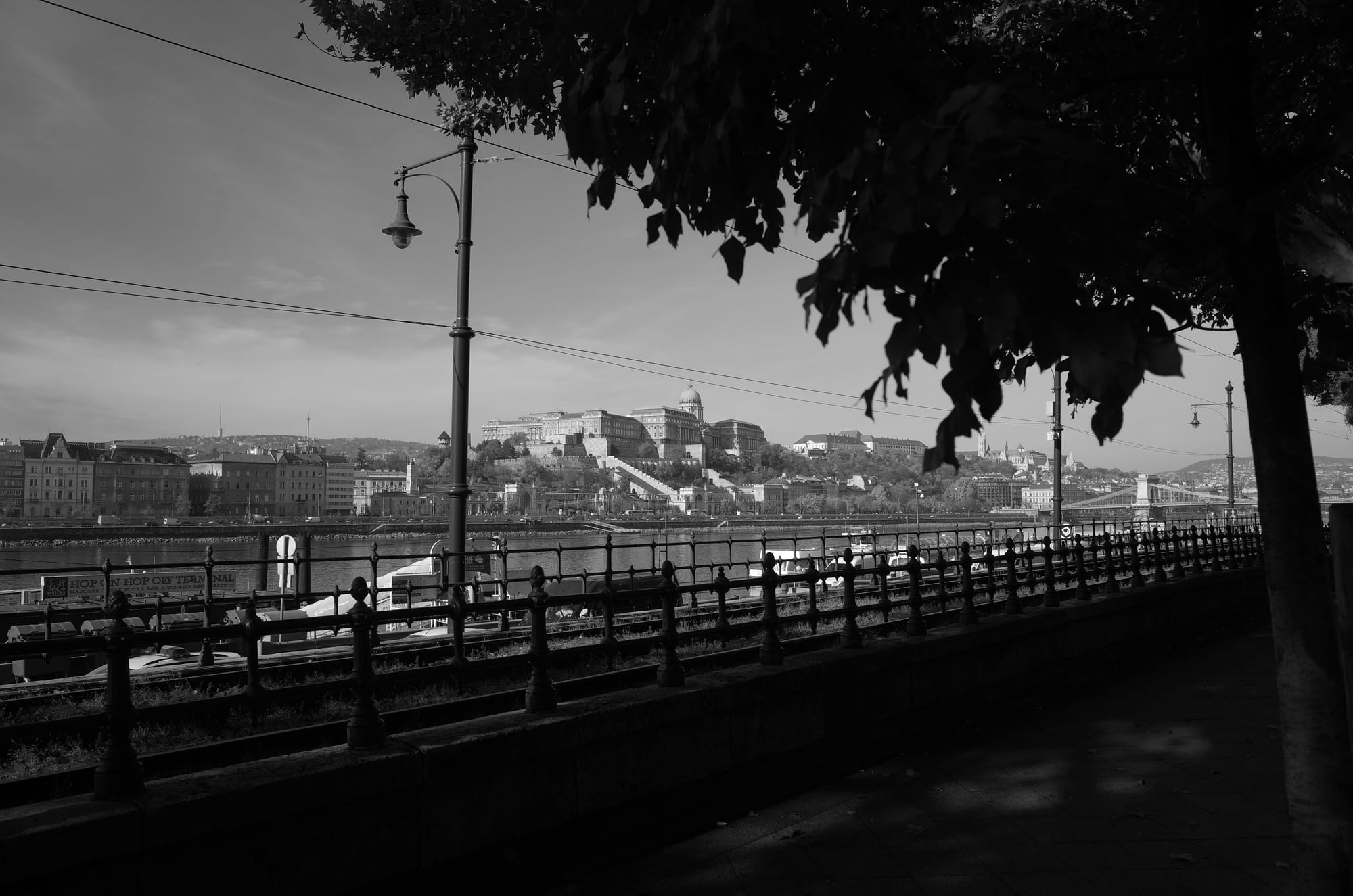
The city was full — busy streets, grand buildings, trams cutting through intersections, thermal baths steaming behind stone walls. Alive in every direction. Overwhelming in the way only great cities can be.
And my plan matched it.
Too much.
Too fast.
Too ambitious.
Within a day, the signs were obvious. Tired legs. Short tempers. The quiet resistance of family who have stopped enjoying themselves but don’t quite know how to say it yet.
So I did something unusual for me.
I removed half the plan.
No substitutions.
No clever rebalancing.
Just less.
Entire sights disappeared from the schedule. Whole afternoons were left open. I accepted — properly accepted — that many things would remain unseen.
Almost immediately, the city changed.
Or rather, we did.
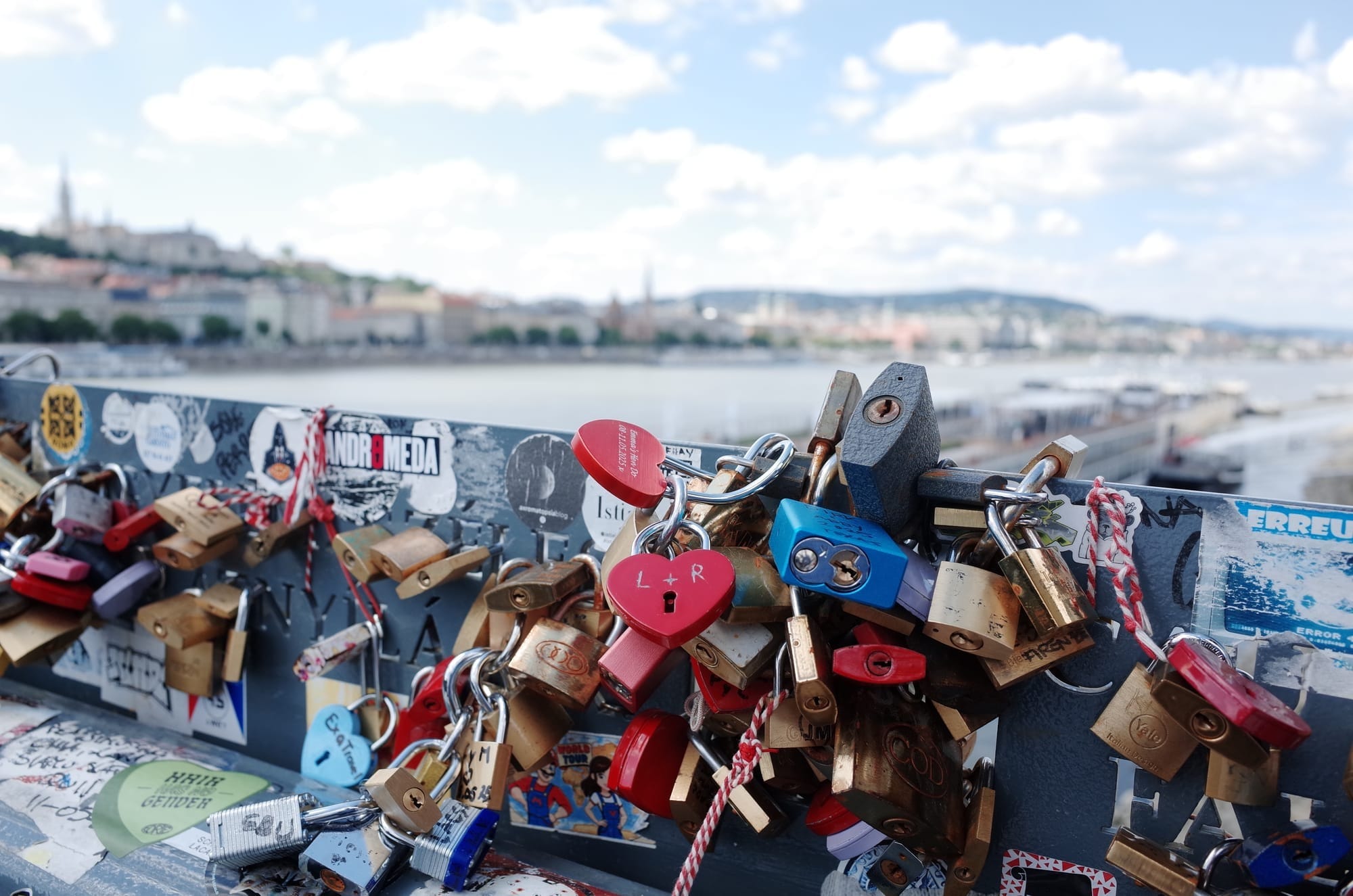
We lingered. Sat longer. Let the day unfold instead of chasing it. The pressure lifted. Budapest stopped feeling like a checklist and started feeling like a place again.
We noticed things.
A café we returned to.
A street we walked twice.
Moments that didn’t exist in the guidebook.
And something else happened.
By leaving things undone, we gave ourselves a reason to return.
Budapest became one of our favourite cities — not because we’d seen everything, but because we hadn’t tried to.
I’ve recognised this pattern ever since.
When things feel heavy, cluttered, or exhausting, the instinct is almost always to add:
another idea
another option
another intervention
another change program
another way of working
But progress rarely arrives that way. Instead, noise and confusion and overwhelm stack up.
Movement returns when noise is removed.
Less creates space.
Space restores attention.
Attention allows meaning to surface.
Overwhelm and complexity don't always need solving.
Sometimes all we need is time, space, attention and care – enough room to breathe, enjoy, notice and move with calmness.
Budapest taught me that unfinished doesn’t mean incomplete.
Sometimes, it means alive.
Principles Over Frameworks
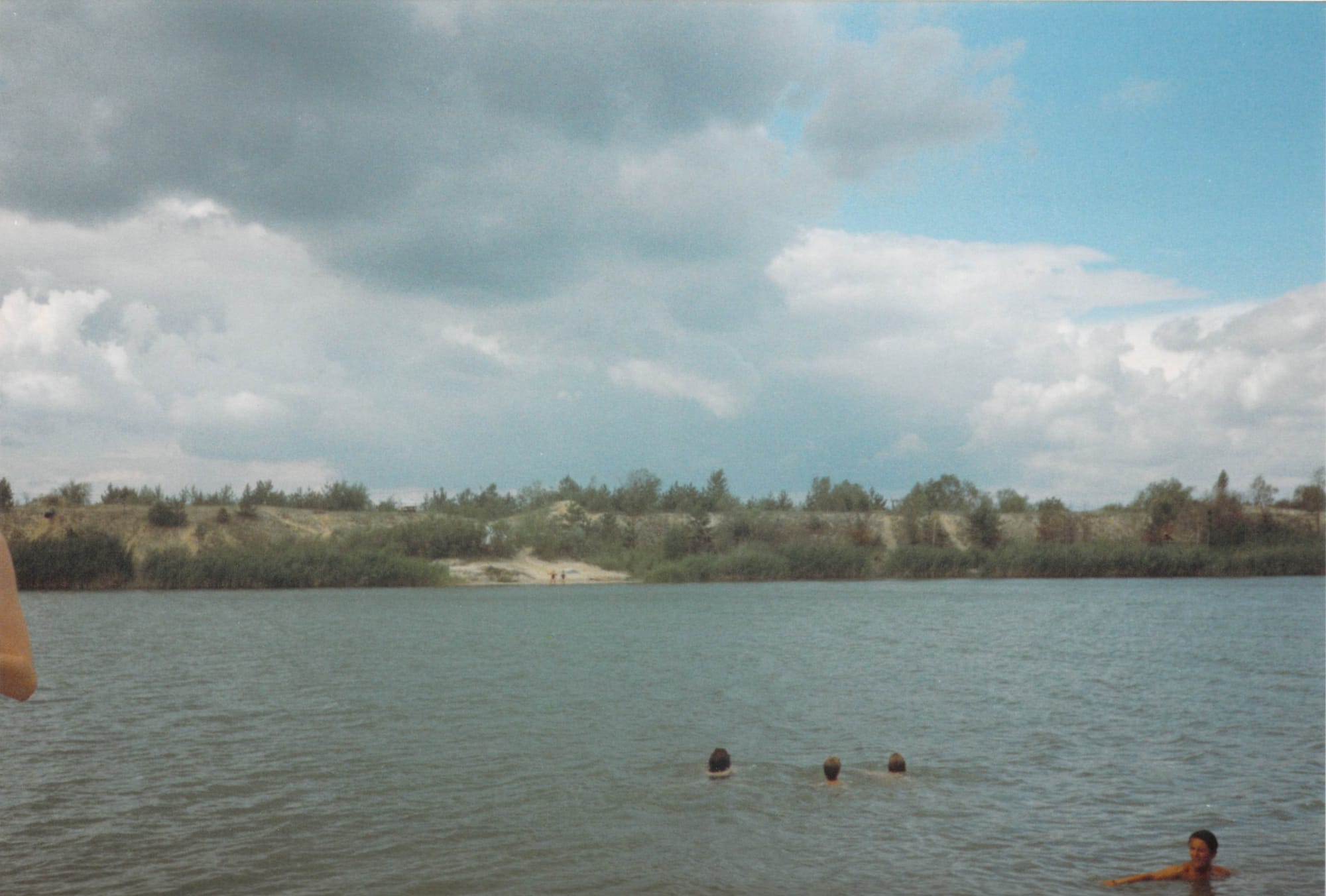
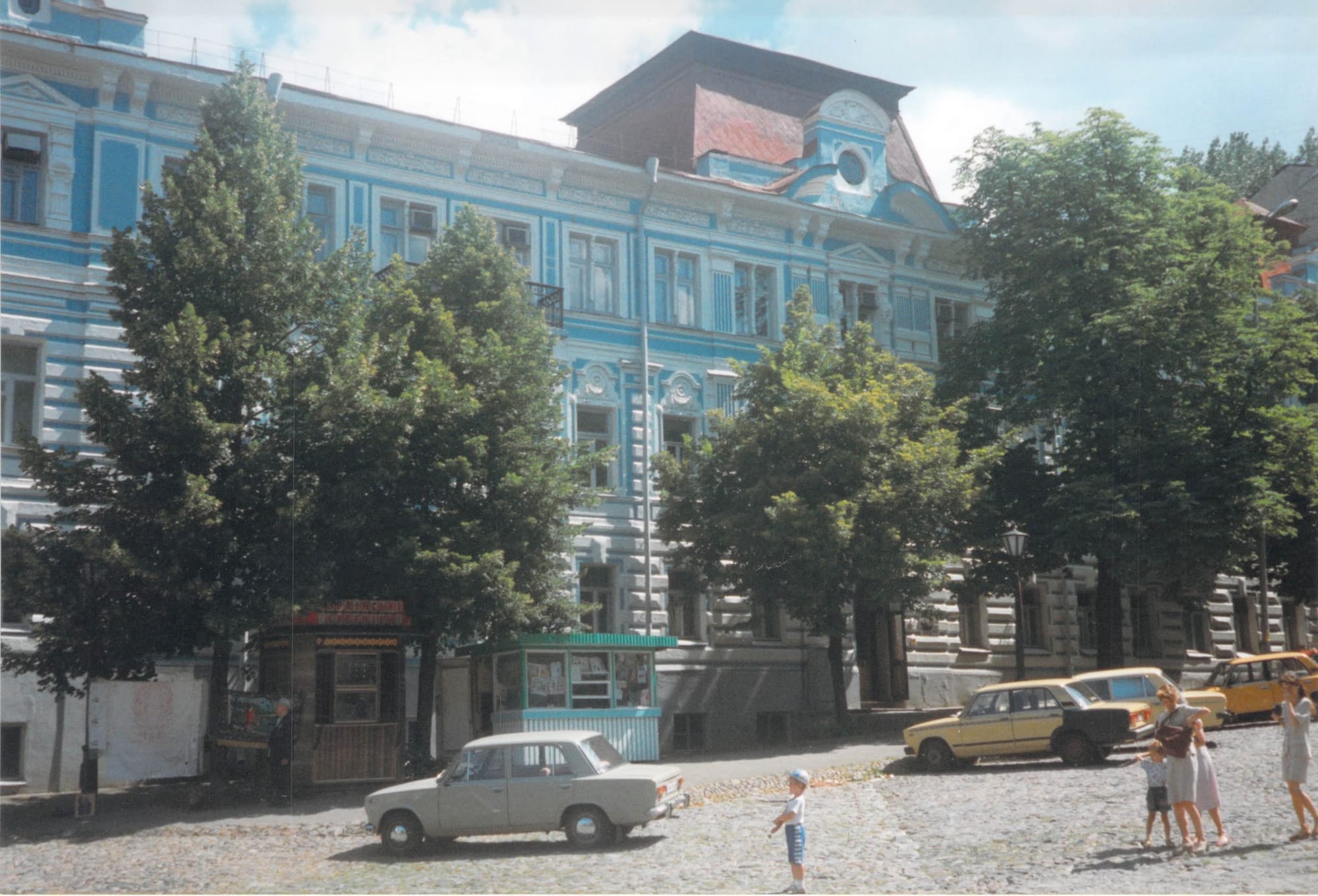
I travelled to Ukraine as a teenager, studying Russian, with the kind of confidence you only have before experience corrects you.
One of the memories that stuck wasn’t a landmark or a museum. It was the overnight sleeper train — narrow bunks, stale heat, windows that didn’t open, and time stretching endlessly in both directions.
We passed the hours playing a modified version of The Crystal Maze. The rules were improvised. The punishments were not. Drinking featured heavily. It felt like a good idea at the time.
It wasn’t.
By morning, the heat was oppressive. The bugs were enormous. And somewhere along the way, I picked up a mosquito infection in my throat — the kind that makes swallowing feel like gargling with razor blades.
I did what you’re supposed to do.
Conventional medicine.
Official channels.
Even the British Embassy.
None of it worked.
The advice was careful. Correct.
Entirely ineffective.
Eventually, locals intervened.
They produced vodka.
Not the kind you sip.
The kind that strips paint off floors when it spills.
It burned. Violently.
And then — almost immediately — it worked.
The infection cleared.
No ceremony. No paperwork. No explanation that would make it through a risk assessment. Just an understanding of what mattered, applied without explanation.
I’ve seen this pattern repeat itself ever since.
They didn’t debate options.
They didn’t escalate the issue.
They didn’t consult a framework.
They didn't send things to a SteerCo or Committee.
Rules look reassuring from a distance.
They promise safety, consistency, control.
But most rules don’t understand context.
People do.
Principles travel better.
They adapt.
They respond to reality as it is, not as it was documented.
They allow people closest to the problem to act without waiting for permission.
Most organisations don’t fail because people break the rules.
They fail because the rules outlive their usefulness — and no one is trusted to notice.
This chapter is written with respect for the people of Ukraine — and for those I travelled to meet years ago, many of whom may now be living through circumstances I can scarcely imagine.
People Are the System
Conferences are a strange pleasure of mine.
I enjoy the speaking — the chance to shape an idea, test it in public, see whether it survives contact with other minds. But what I really value happens afterward. Dinner. Drinks. The unscheduled part. The original meaning of conference: to confer, to exchange, to sit together without an agenda.
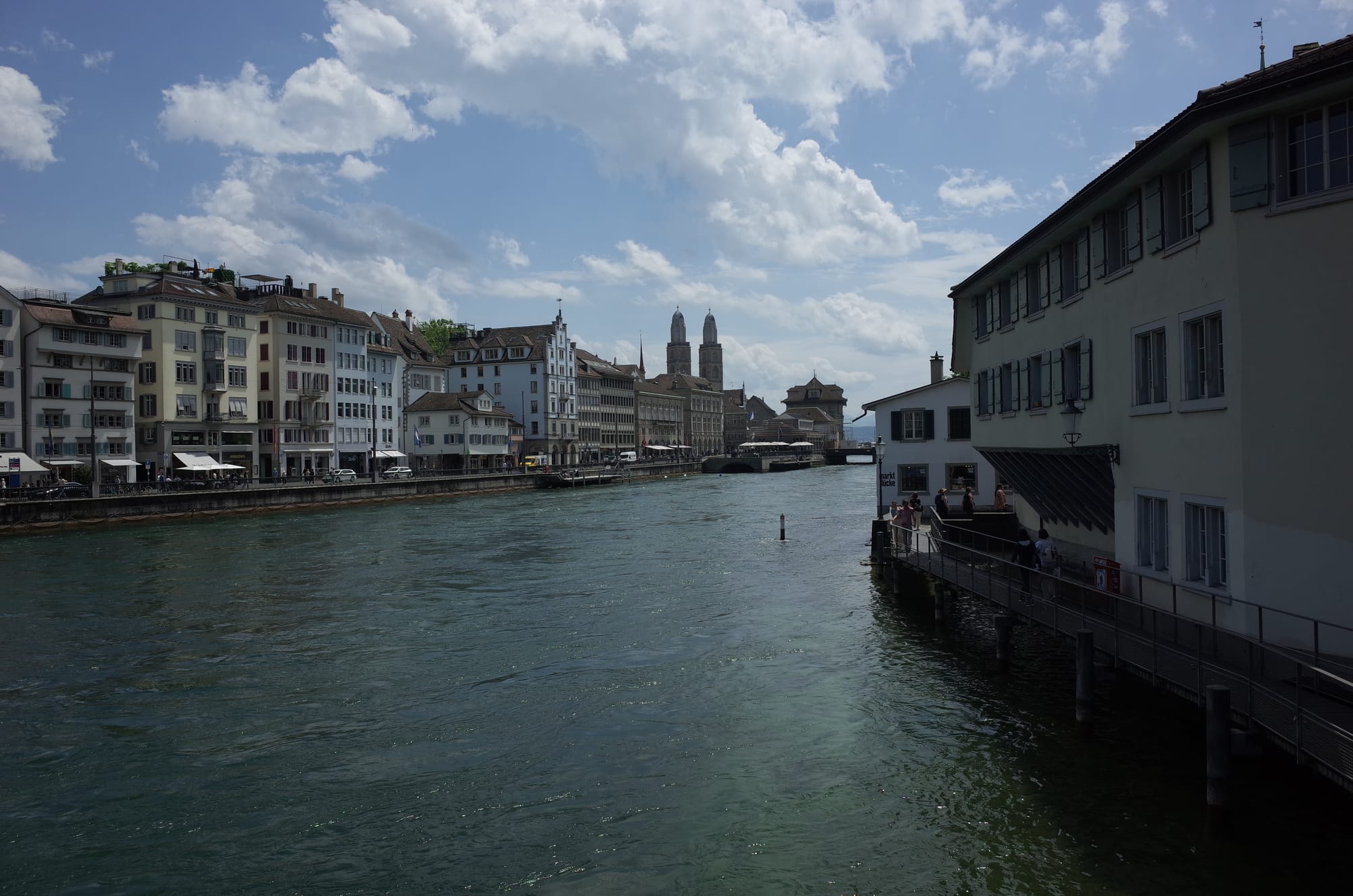
One summer evening in Zurich, that part almost disappeared.
We were by the lake. Long tables. Good food. Wine that arrived before you’d finished the previous glass.
Around us, locals were enjoying their own evenings — families talking quietly, couples lingering, groups of young people easing into the night. Nearby, a table of business types leaned in close, deep in merger talk, conducting whatever serious negotiations sound like when they’re meant to stay private.
At our table sat around twenty-five conference attendees and speakers.
Among them was someone I already knew.
His reputation preceded him. Loud. Boisterous. Relentless. The kind of person who doesn’t just enter a room — he takes possession of it. I’d already mapped out an exit strategy.
It didn’t take long.
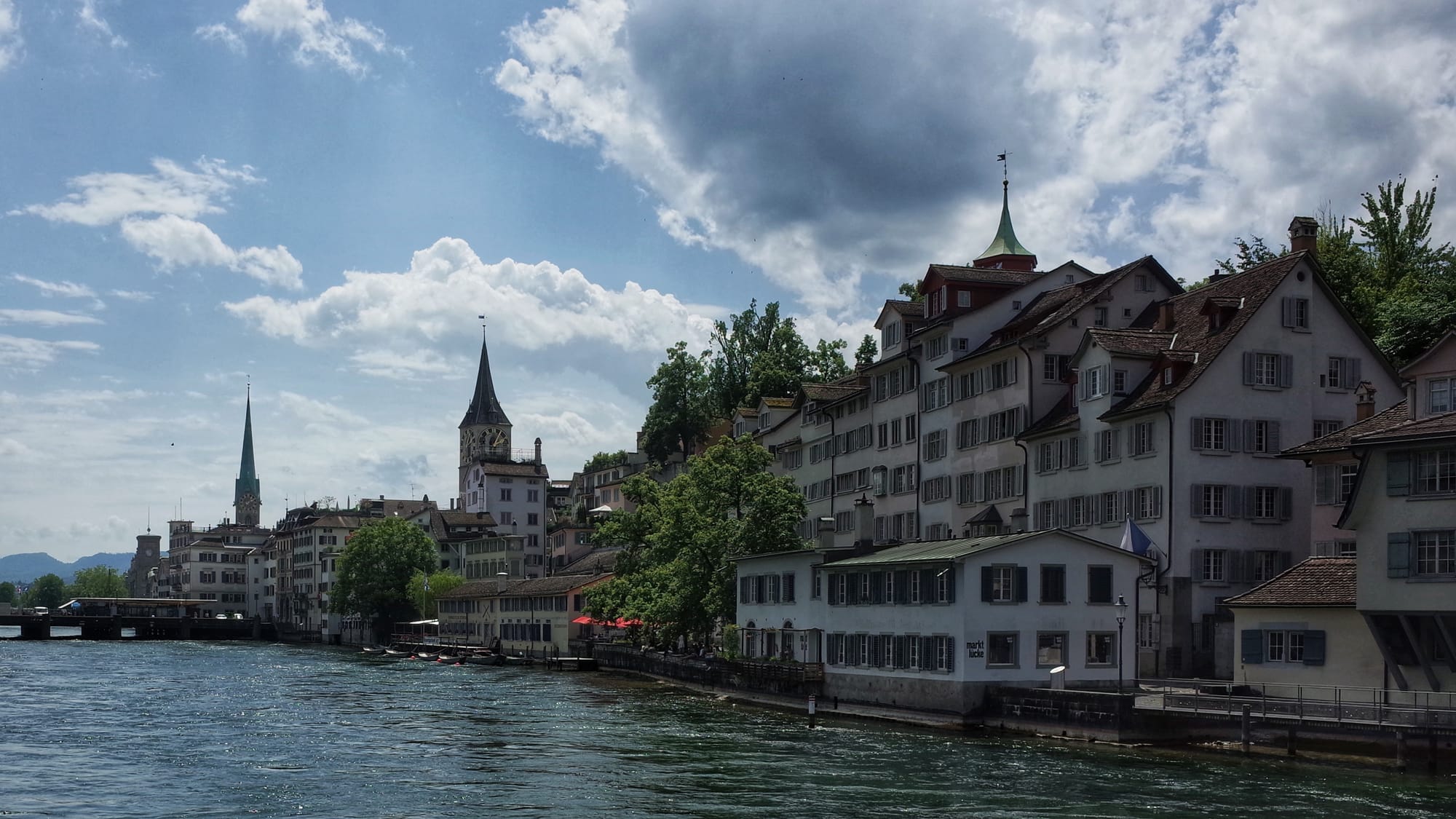
His first monologue arrived without warning — a booming performance that caused an elderly gentleman at the neighbouring table to jump so violently he spilled red wine down the front of an expensive suit jacket.
Each time the voice rose again — which was often — the man flinched. His face grew paler with every story of conquest, brilliance, or intellectual supremacy. Eventually, he stood, gathered what dignity he could, and fled. I sometimes wonder if he still tells that story to his therapist.
The performance continued.
There were no pauses. No invitations. No curiosity about anyone else at the table. It was a one-man system now — everything else forced to orbit it.
Nearby, the business types abandoned their merger. One covered his ears as they left. The others shook their heads, defeated not by disagreement, but by sound.
At our own table, people began shouting — not out of enthusiasm, but necessity. Conversations turned competitive. Adults stood to be heard. What should have been dinner started to resemble a bar-room argument conducted at entirely the wrong volume.
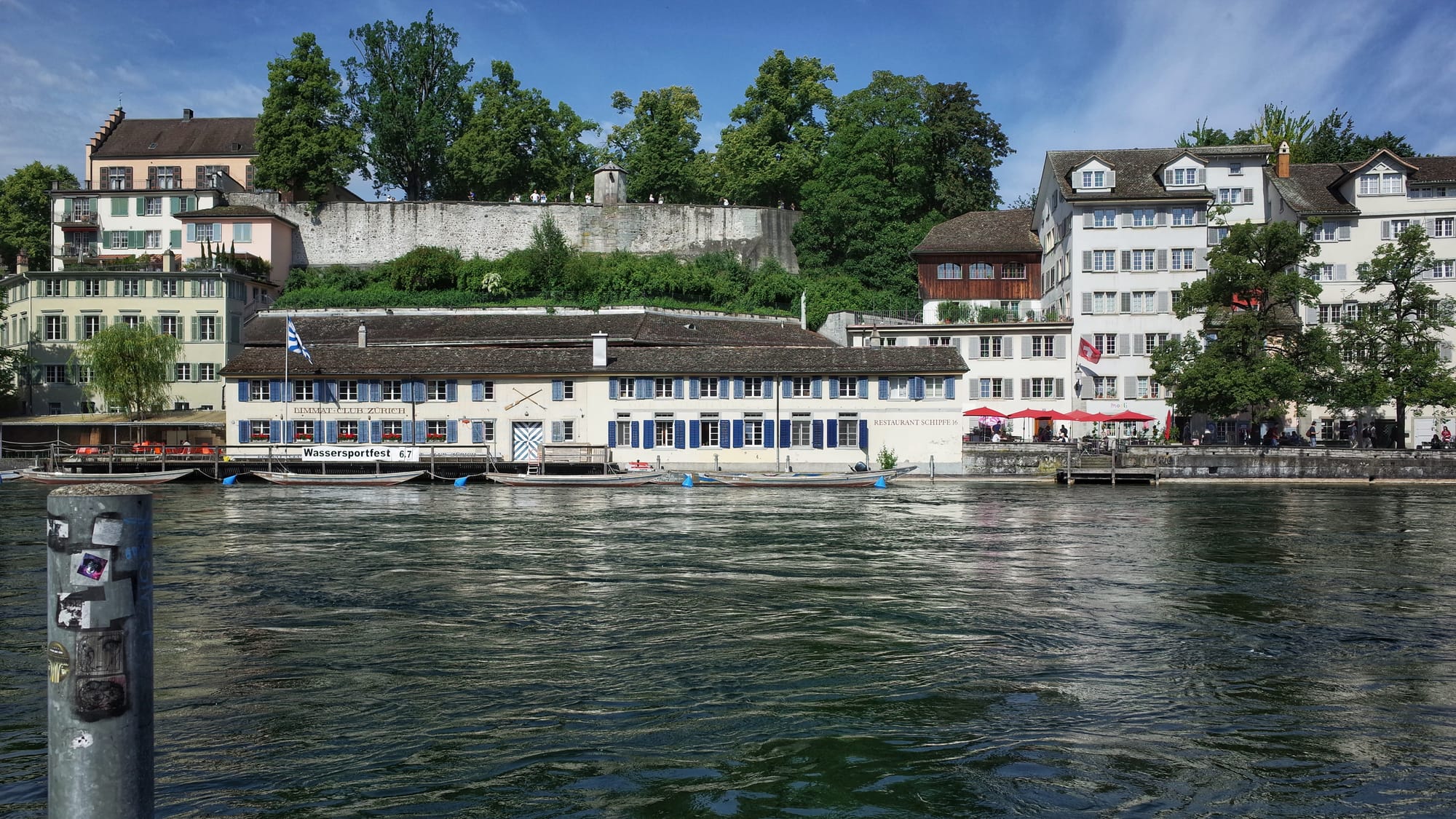
Empty tables appeared. Groups approached, assessed the noise, and quietly retreated. No one wanted front-row seats for the spectacle.
As the wine flowed, the stories grew longer and less appropriate. One by one, people drifted away. Eventually — mercifully — the speaker staggered off mid-sentence, alcohol finally negotiating a truce with focus and balance.
The bar erupted in applause.
He waved, smiling, mistaking relief for admiration.
But what we were really responding to wasn’t the performance ending — it was the noise stopping.
It was the system resetting.
Only then did the evening begin in earnest.
A few of us stayed. We talked. We listened. We laughed. Voices dropped. Stories unfolded properly. People finished their thoughts. The lake returned to the background. The room softened.
Nothing new had been added.
No rules were introduced.
No one intervened.
No structure was imposed.
One overwhelming element had simply been removed — and the system corrected itself.
I’ve noticed this pattern everywhere since.
Workplaces aren’t machines made up of interchangeable parts.
They’re living systems made of relationships, attention, process, action and behaviour.
People aren’t variables inside the system.
They are the system.
When one person dominates, the whole thing distorts.
When care, restraint, and awareness return, balance follows naturally.
That’s why “human” isn’t soft.
It’s structural.
And why the real work of leadership is rarely about forcing change —
it’s about noticing what’s throwing the system out of balance,
and having the courage to remove it.
Courage Is Alignment in Action
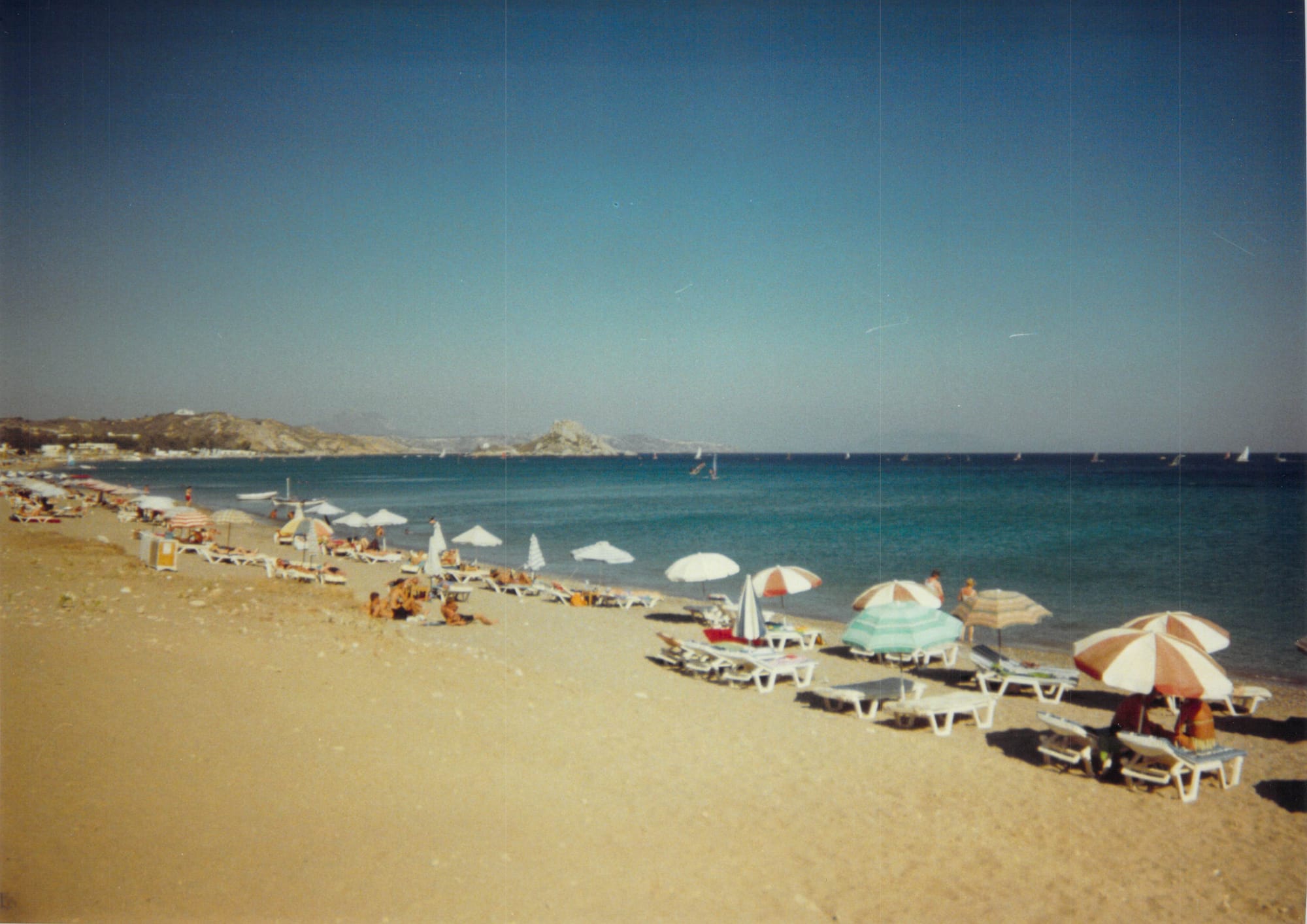
Years ago, on the Greek island of Kos, my wife and I hired a car.
It was a Fiat Panda. Bizarre. Underpowered. No air conditioning. A mistake of car, yet remarkably likeable. Fun to drive, in a terrifying way.
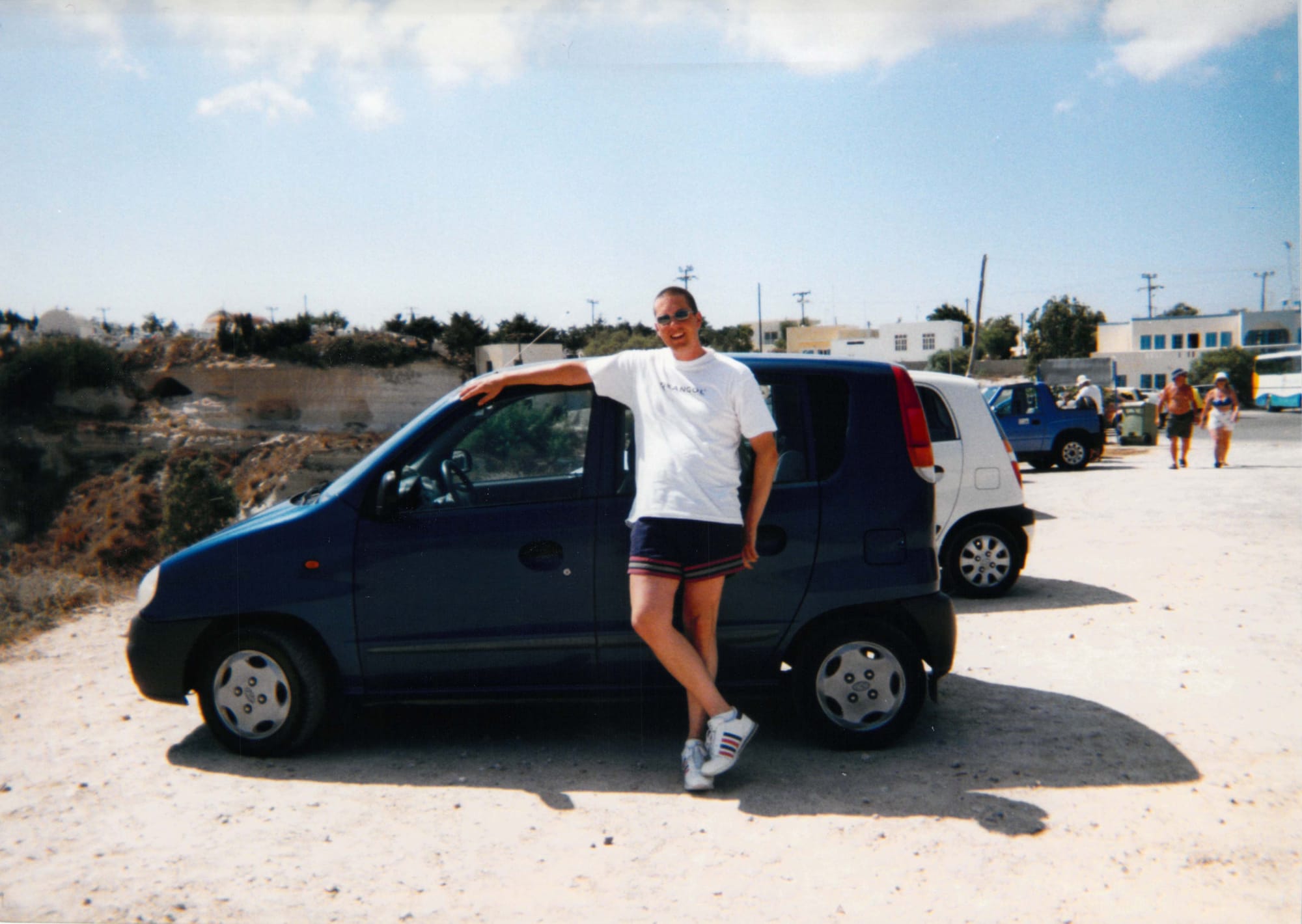
We took it up into the mountains. Not exactly what it was designed for.
The road thinned quickly. Then disappeared altogether. Rocks scraped the underside. Gullies forced slow, deliberate decisions. Pine trees closed in, dense and quiet, the air heavy with heat, regret, caution and resin.
Then we saw them.
A group of Greek soldiers — some sort of special woodland unit — mid-exercise. Uniformed. Armed. Serious. Entirely uninterested in confused tourists in a battered tiny hire car.
Everything sensible told me to turn around.
This wasn’t bravery.
It was self-preservation.
We were out of place. Undersized. Very obviously not part of whatever was happening here.
But underneath that instinct was another voice — quieter, steadier.
You have the right to be here.
You know where this road goes.
On the other side, there’s a taverna. A view worth the effort.
It wasn’t confidence.
It wasn’t certainty.
It was alignment.
So we kept going.
Slowly. Carefully. With a tight grip on the wheel and a very clear awareness of how fragile the situation was. We passed the soldiers without incident — nods exchanged, no questions asked — and continued down through the trees.
On the other side, the road opened. Then inclined again.
Sea. Light. Space.
A small taverna clung to the edge of the cliffs, serving fresh seafood and cold drinks. The view was ridiculous, the food spectacular — one of those scenes that feels almost unfair in its beauty. The kind that reminds you why people travel at all.
Nothing dramatic had happened.
No one cheered.
No story was told.
No lesson announced itself.
But I’ve thought about that moment often.
Courage isn’t bravado.
It isn’t ignoring fear.
And it isn’t forcing your way forward when you don’t belong.
Sometimes, courage is simply acting on what you already know — even when every external signal tells you not to.
Clarity comes first.
Alignment comes second.
Action follows.
Valuable outcomes is often the result.
And occasionally, if you trust that quiet internal signal, the road really does lead somewhere worth arriving at.
Reveal, Don’t Force
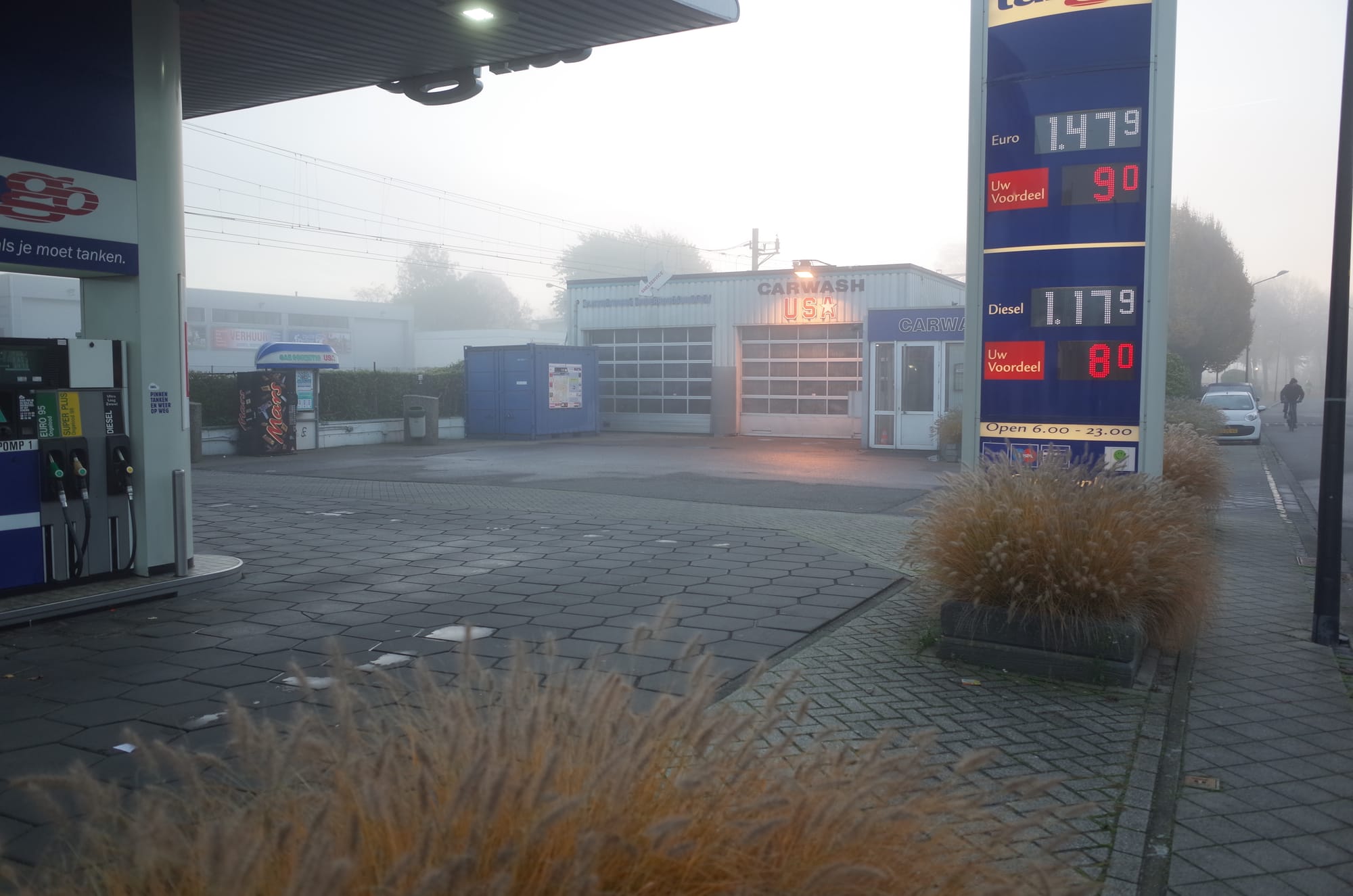
The plan was uncomplicated. Very simple. Easy.
An evening flight from Southampton. A short hop across Europe to Amsterdam, then a train down to Maastricht. Check in. Dinner. Sleep. Coffee. Workshop. Party.
Then the fog arrived.
Flights disappeared from the board one by one. The airport filled with the sound of raised voices — people arguing with those in a system that has already made its decision. Then my flight disappeared. Cancelled. No more tonight.
I stood there for a while, watching it happen.
Then I stepped outside and phoned my wife.
Between us, a different route appeared. Not a clever one. Just the next available option once you stop insisting the first plan should still work.
The last train to London.
The last Eurostar out to Brussels.
Then several different trains through Belgium and the Netherlands.
Every train I boarded was the last of the night. Miss one, and I’d be sleeping wherever the tracks happened to end. There was no safety net. Just movement.
I didn’t rush.
I didn’t argue.
I didn’t explain.
I followed what was still open. I quietly enjoyed the movement. The uncertainty.
I arrived in Maastricht at two in the morning. Slept for a few hours. Woke up. Shower. Coffee. A foggy walk to the venue. The workshop.
It went well. Well enough.
Later, someone handed me an award for it. I smiled, said thank you, and tried not to look as tired as I felt.
But that wasn’t the thing that stayed with me.
What stayed was how little effort it had taken to get unstuck once I stopped fighting the situation.
Airports, weather, train lines — they’re not problems to be solved. They’re conditions to be read. Signals that tell you something if you're willing to listen. Opportunities to explore a way around, through, over or under the obstacles.
Push against them and you exhaust yourself.
Pay attention and they usually show you an alternative way forward.
Most of the time, the work isn’t about forcing progress.
It’s about noticing what’s still moving — and getting out of the way long enough to follow it.
Closing Thoughts

I arrived in Oslo with time.
Not the restless, anxious kind you try to fill, but real time — the rare kind that isn’t already filled and consumed in advance. I had a talk to give, but not yet. No meetings. No expectations pressing in. Just lots of open hours and a city I didn’t know.
I took my camera and started walking.
Oslo doesn’t announce itself. It doesn’t rush to impress. It opens gradually — water, light, clean lines, space between things. Kind people. Expensive beer. The pace is slower than you expect. Or maybe it’s just less performative.
I wandered without a plan. Streets gave way to harbour. Harbour to boats. I boarded one almost absent-mindedly and found myself drifting across the fjord, watching the city recede and reassemble from a different angle.
Nothing was being solved.
I wasn’t trying to capture anything in particular. I took photographs because something caught my attention — a reflection, a shadow, the way light settled on wood and stone.
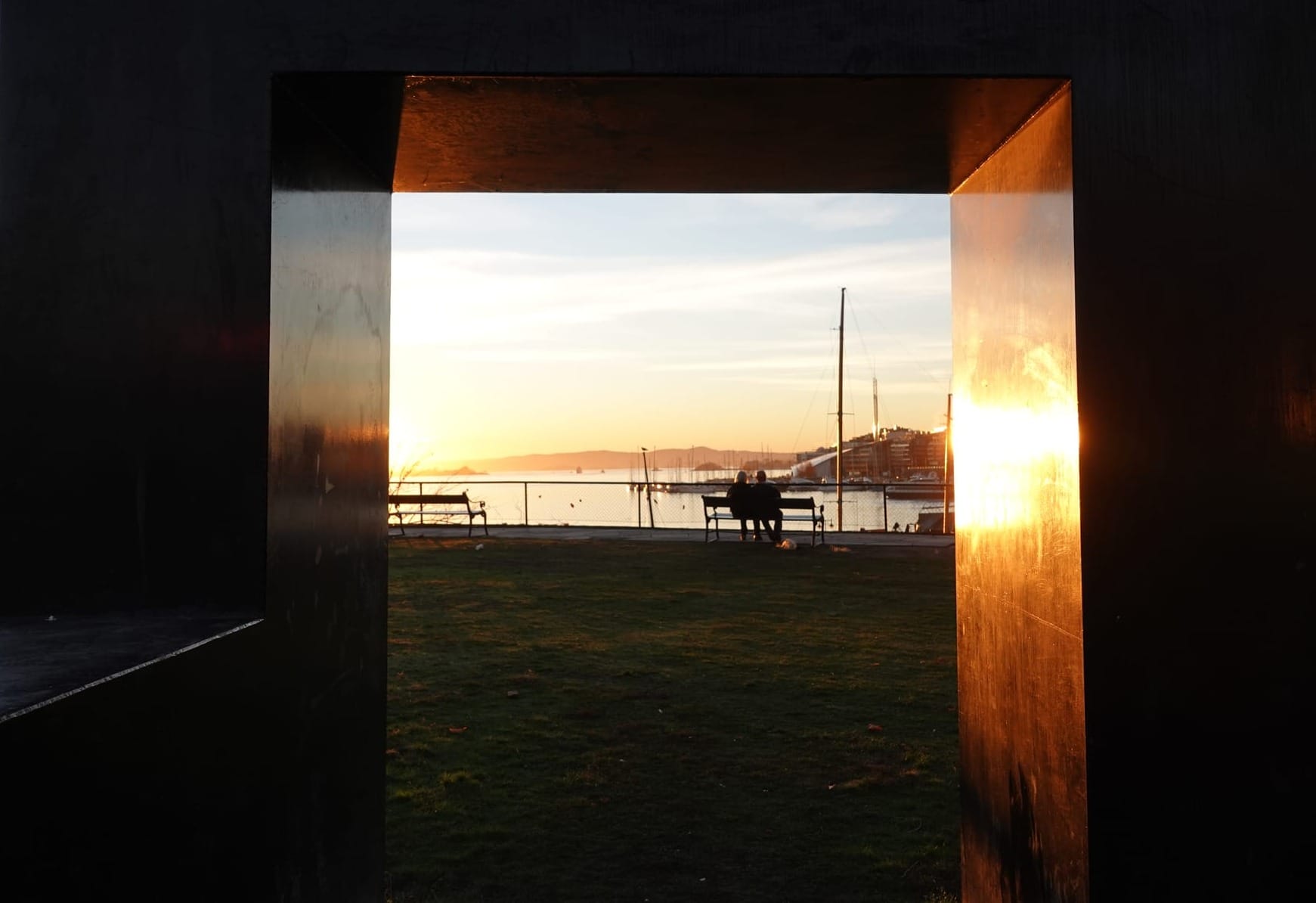
I recorded a few videos, not because I needed content, but because thoughts arrived and it felt right to let them out gently. I was inspired. I was creative.
What struck me most was how quickly something familiar returned.
Curiosity.
Wonder.
A sense of internal alignment.
Not excitement. Not inspiration in the dramatic sense. Just the quiet feeling of being back in relationship with myself — and with the world around me.
I realised how rarely we give ourselves the conditions and climate to feel that way.
In work, we’re trained to push. To decide. To intervene. To optimise. When something feels unclear, the instinct is almost always to do more.
But Oslo didn’t respond to effort.
It responded to attention.
The less I forced, the more legible it became.
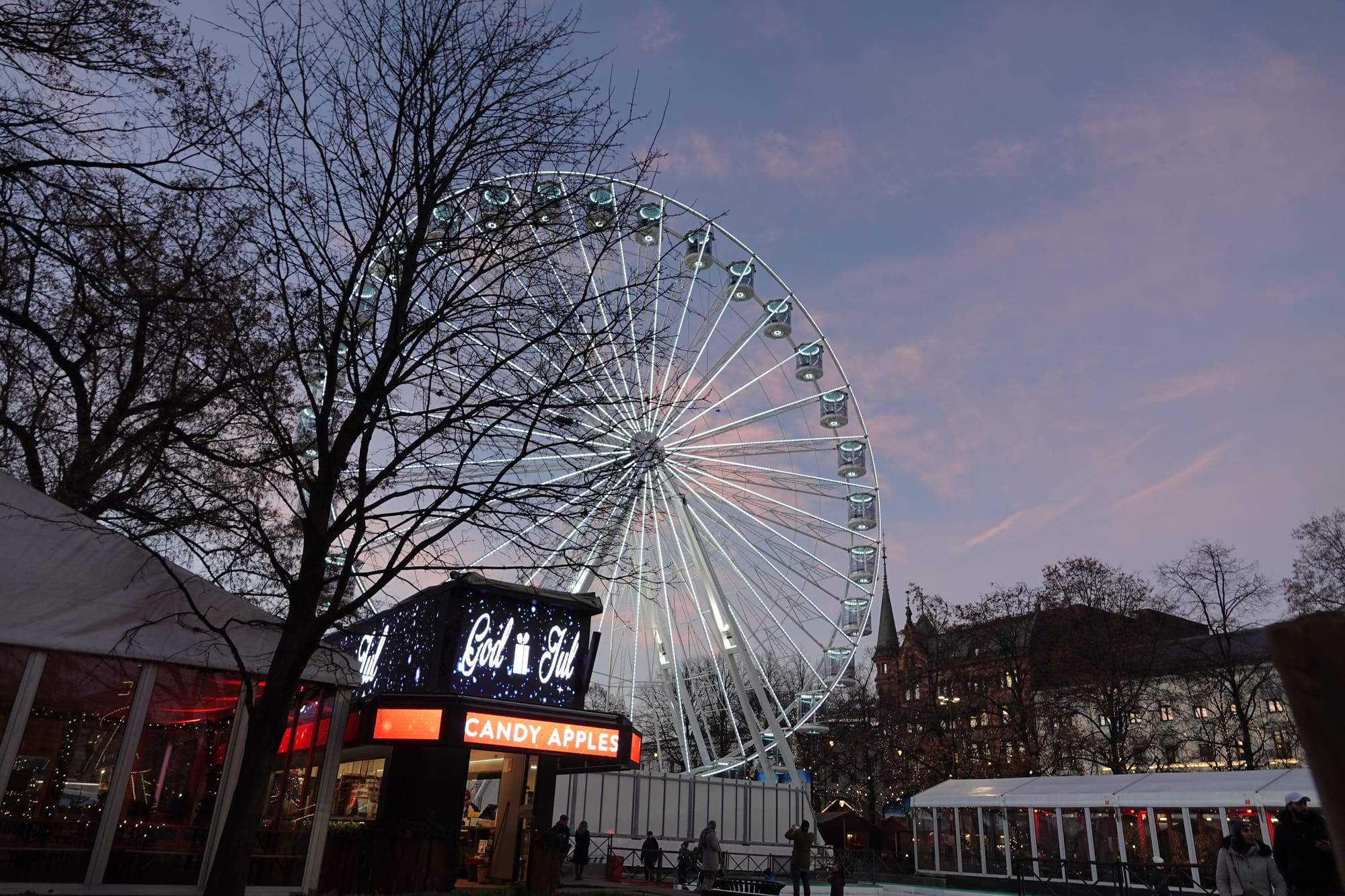
Walking slowed my thinking.
Looking softened it.
Making sense happened without strain.
It felt exactly like the moments I’d written about throughout this essay — just without the pressure of a room, a role, or a system that needed fixing.
The same principles were at work.
Clarity, not through explanation, but through orientation.
Creativity, not as output, but as perception.
Care, expressed as presence.
Courage, in allowing stillness where productivity would usually rush in.
I thought about how often I’d seen these same principles restore movement in teams and organisations — not by adding frameworks or energy, but by changing the quality of attention in the room.
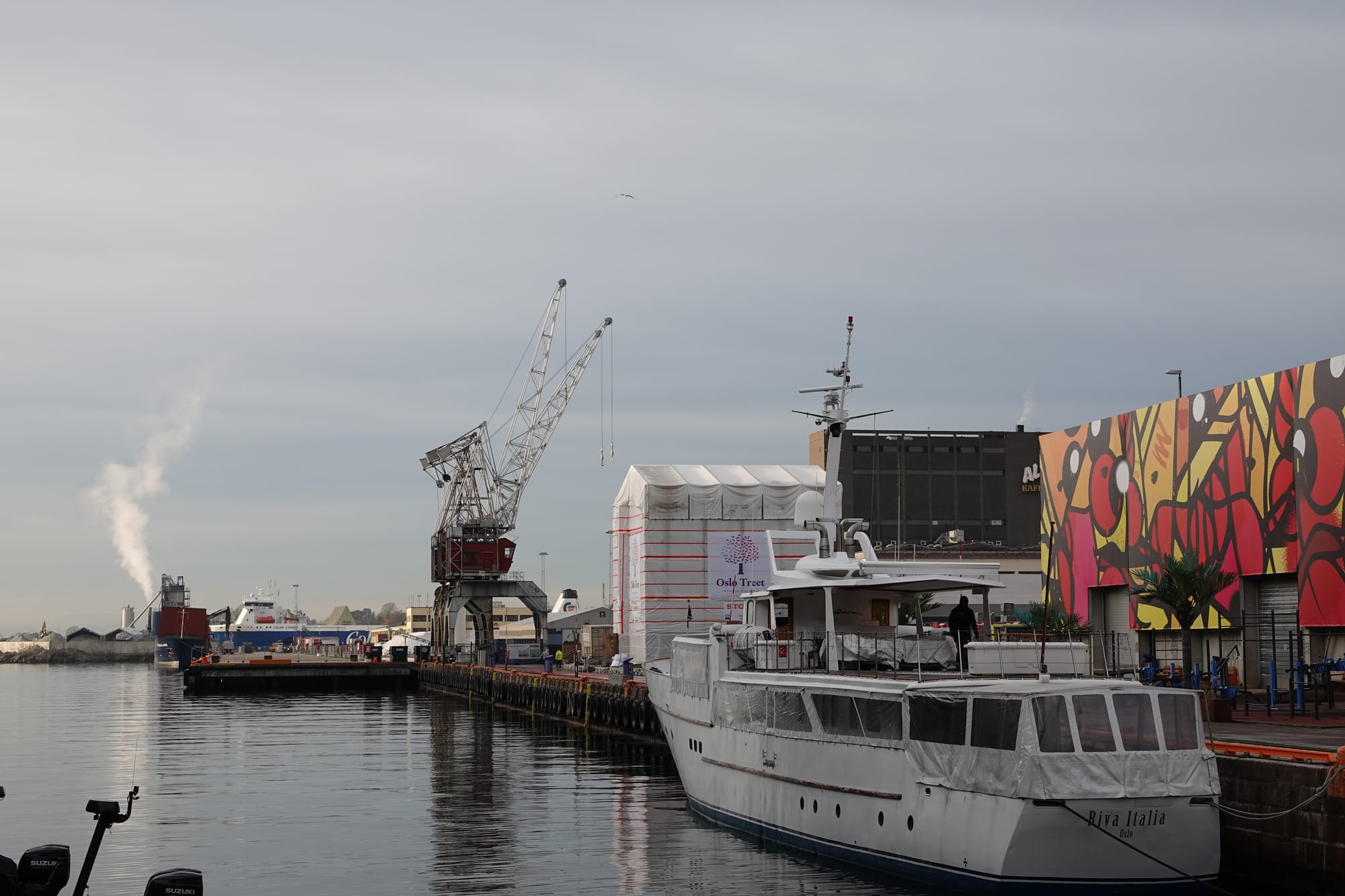
Oslo reminded me that those principles were never exclusive to work.
They were ways of moving through the world.
The same habits that make work humane — noticing patterns, staying curious, resisting the urge to dominate complexity — also make life navigable.
Creativity is the bridge between the two.
Not creativity as performance.
But creativity as a way of seeing – that keeps us human – inside systems that many often try to make controllable, predictable and repeatable.
Later, I gave the talk. It went well. People were kind. There was applause, conversation, discussions.
But the thing I carried with me wasn’t the event.
It was the memory of walking without urgency.
Of paying attention without agenda.
Of remembering that meaning doesn’t arrive through force.
It reveals itself when we learn how to see.
That, I think, is the real work. To notice, to see, to move with flow, to nudge, to perceive, to understand and not to force. And it all starts with noticing.
The same principles that make work humane
also make life navigable.
This essay is part of the Cultivated library of work - this essay is also available as a PDF download.