Leadership and Work in Practice

Most workplaces have long rewarded one narrow form of intelligence. But there are at least eight — and the best organisations know how to recognise and use them all.

When projects look green on the surface but are failing underneath, the problem isn’t reporting — it’s fear, culture, and distance from reality.

The words we choose matter. How we behave matters more. Culture, leadership, and trust are shaped by what we do — not what we say.

Hierarchy is often blamed for dysfunction at work. In reality, most problems come from behaviour, capability, and responsibility — not structure itself.

You can teach the basics of any craft, but competence only emerges through practice. This essay explores why learning fails when it is mistaken for information transfer — and how real capability is formed.

In organisations, power is not positional. It flows through communication channels — through who controls distribution, repetition, and meaning.
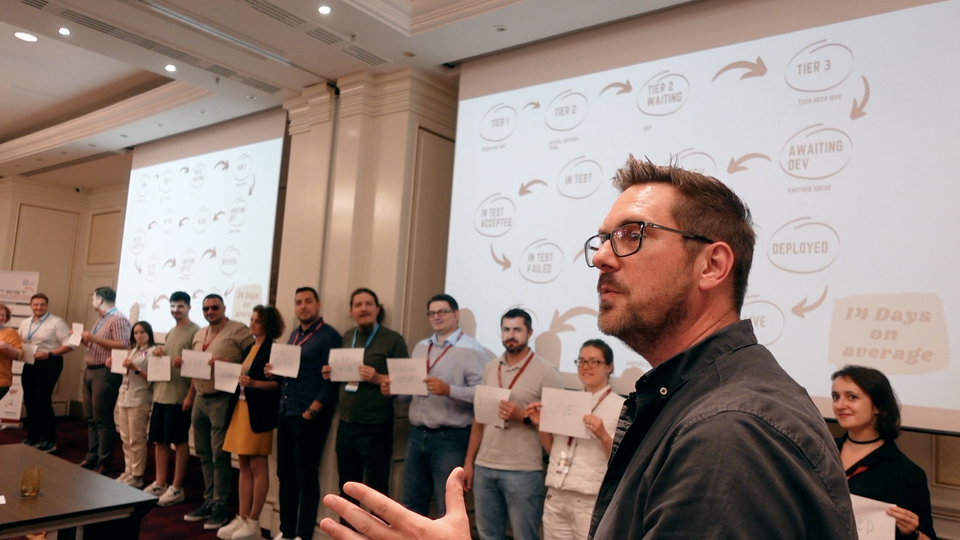
Running a workshop is not a performance or a checklist exercise. It is a craft — one that demands preparation, care for learners, and respect for the learning journey.

Dreams power organisations forward. Management exists not to suppress them, but to protect the conditions in which imagination, creativity, and value can emerge.

Most organisations struggle not because they lack ambition, but because they cannot translate imagined futures into focused momentum. Backcasting offers a disciplined way to bridge that gap.