essay

Hierarchy is often blamed for dysfunction at work. In reality, most problems come from behaviour, capability, and responsibility — not structure itself.

You can teach the basics of any craft, but competence only emerges through practice. This essay explores why learning fails when it is mistaken for information transfer — and how real capability is formed.

Most workplace communication fails not because messages are unclear, but because feedback is missing. Sent does not mean received — and without feedback, meaning does not travel.

In organisations, power is not positional. It flows through communication channels — through who controls distribution, repetition, and meaning.
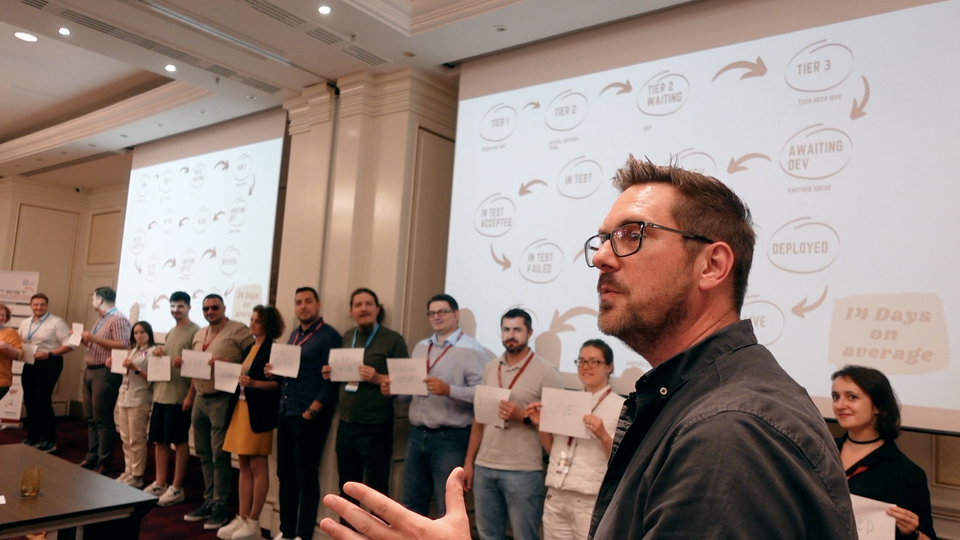
Running a workshop is not a performance or a checklist exercise. It is a craft — one that demands preparation, care for learners, and respect for the learning journey.

Good leaders do not wait for the future to arrive. They anticipate it, decide which version matters, and communicate it clearly enough for others to help bring it to life.

Dreams power organisations forward. Management exists not to suppress them, but to protect the conditions in which imagination, creativity, and value can emerge.

Most organisations struggle not because they lack ambition, but because they cannot translate imagined futures into focused momentum. Backcasting offers a disciplined way to bridge that gap.

We often celebrate individual genius, but most meaningful work is created collectively. Creativity is less about brilliance and more about noticing, combining, and bringing ideas to life.