Good note-taking is not about recording the past. It is a tool for thinking in the present — shaping attention, learning, and judgment as work unfolds.
Editor’s note: This essay explores one of the central questions behind Cultivated’s work — how thinking clearly in real time shapes learning, judgment, and the quality of work itself.
Notes Are for Thinking
Note-taking is an essential skill very few of us are ever taught.
And in work, especially, I see surprisingly few people learning how to do it well.
That is odd — because good note-taking does something quietly powerful.
It calms the mind. It sharpens thinking. It helps us remember what matters.
Over time, it even changes how seriously others take us — and how seriously we take ourselves.
Done properly, notes are not just a record of the past.
They are a tool for thinking in the present.
Writing to remember now
The digital versus analogue debate misses the point.
This is not about nostalgia.
It is about cognition.
When we write by hand, we are not storing information for later. We are processing it in the moment.
We write to remember now.
The hand slows the mind just enough to ask: What actually matters here?
Typing makes it easy to capture everything. Too easy. And when everything is captured, nothing is understood.
Learning happens in interpretation, not transcription.
Handwriting forces a choice over what to capture and ponder. Choice is where understanding begins, and awareness and knowledge form.
Presence is visible
A notebook does something else.
It signals attention.
Closing a laptop and picking up a pen tells the room — and yourself — that you are here.
Listening, after all, is the greatest compliment we can give someone. A screen divides attention. A notebook gathers it.
This is why serious leaders, creators, and decision-makers nearly always carry one.
Not for aesthetics.
For presence.
Effectiveness beats efficiency
Typing may feel faster.
But faster is meaningless if the thinking is poorer.
There is little point in making something ineffective more efficient.
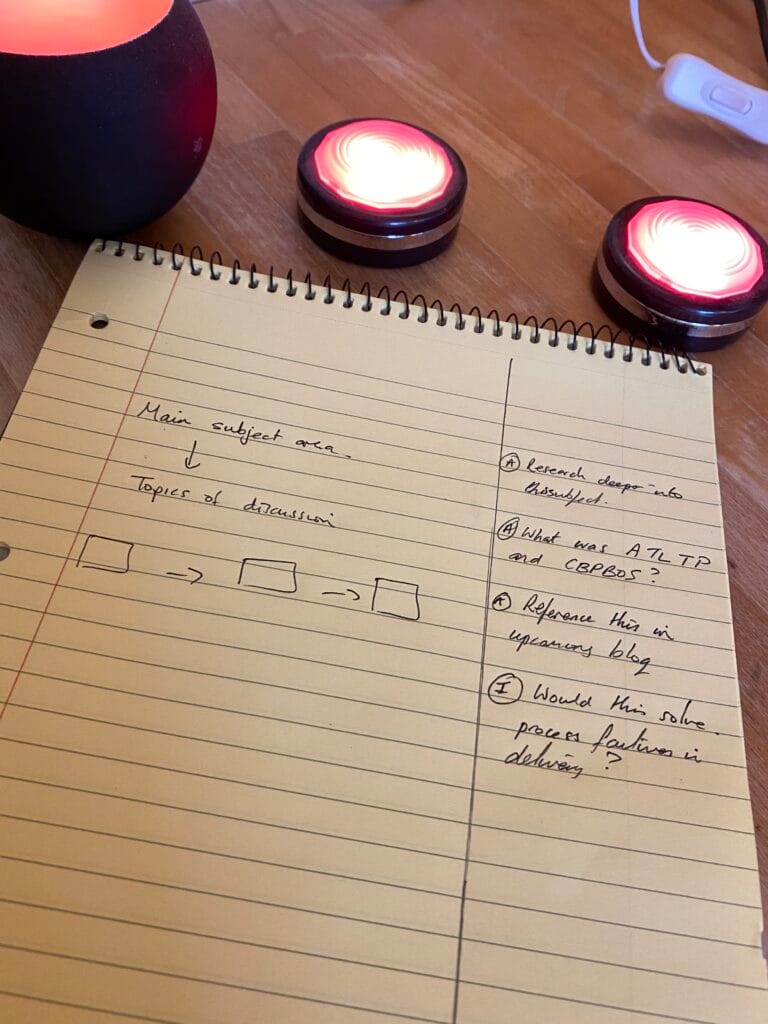
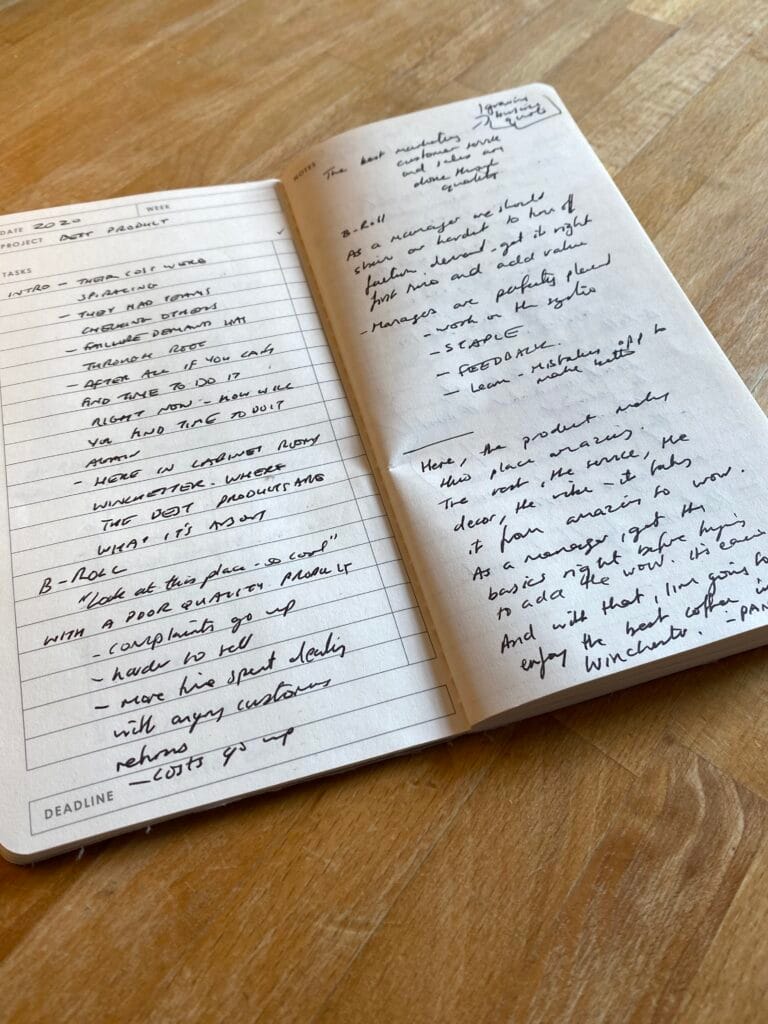
Notes are personal. The goal is not beauty — it’s usefulness.
Some of the links on this page are Amazon affiliate links. If you decide to buy, I earn a small commission (at no extra cost to you). It helps keep the lights on here — thank you for the support! Full details in the privacy policy.
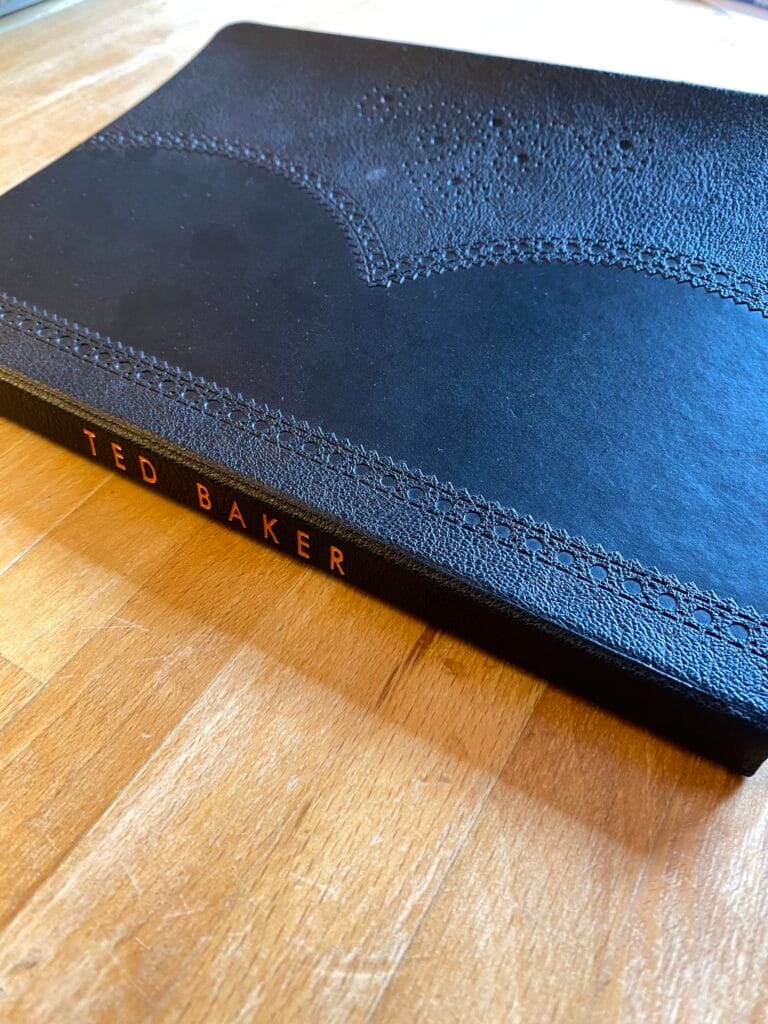
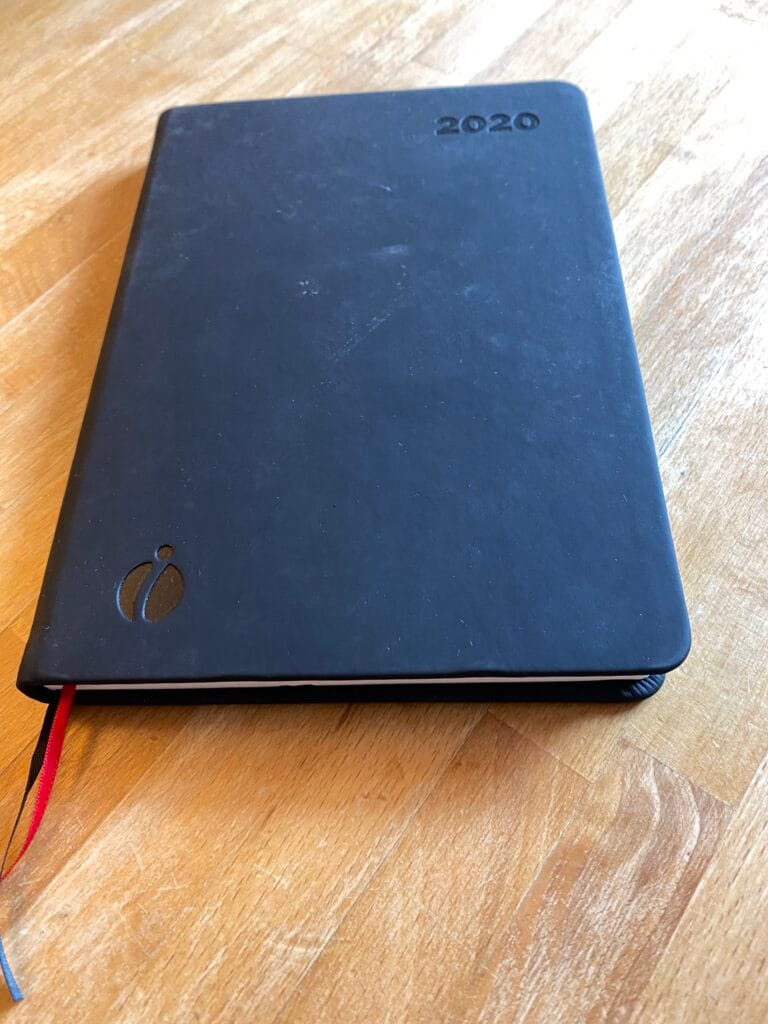
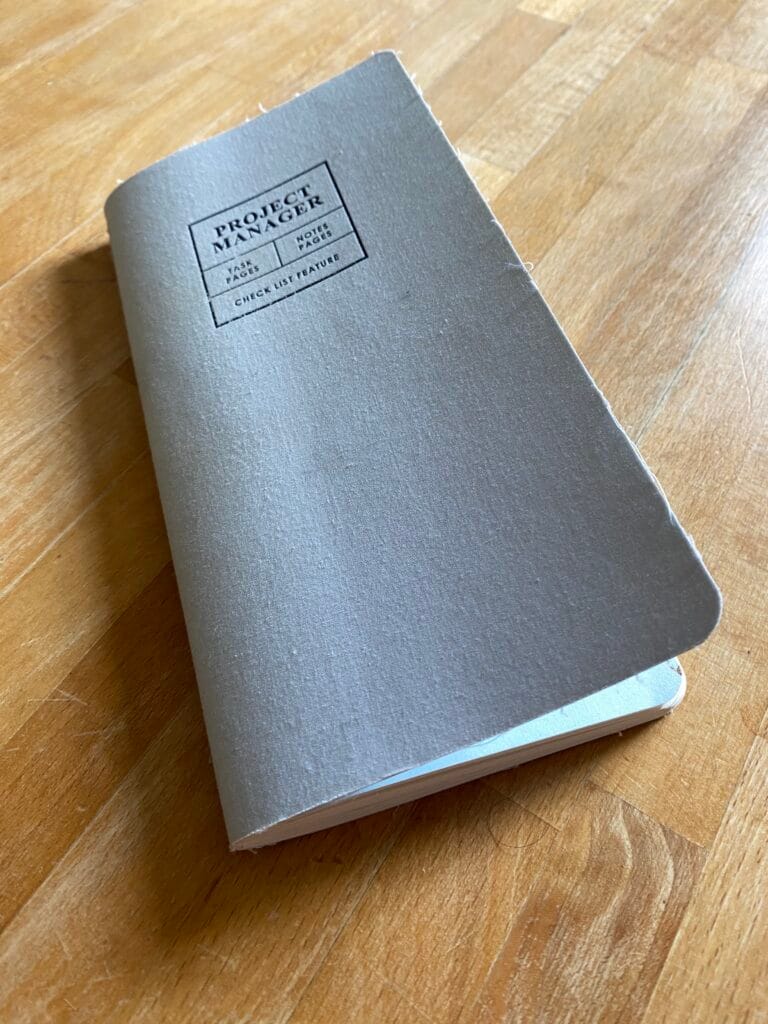
And finally, I carry a little notebook like this when out and about.
Cheap pocket notebooks
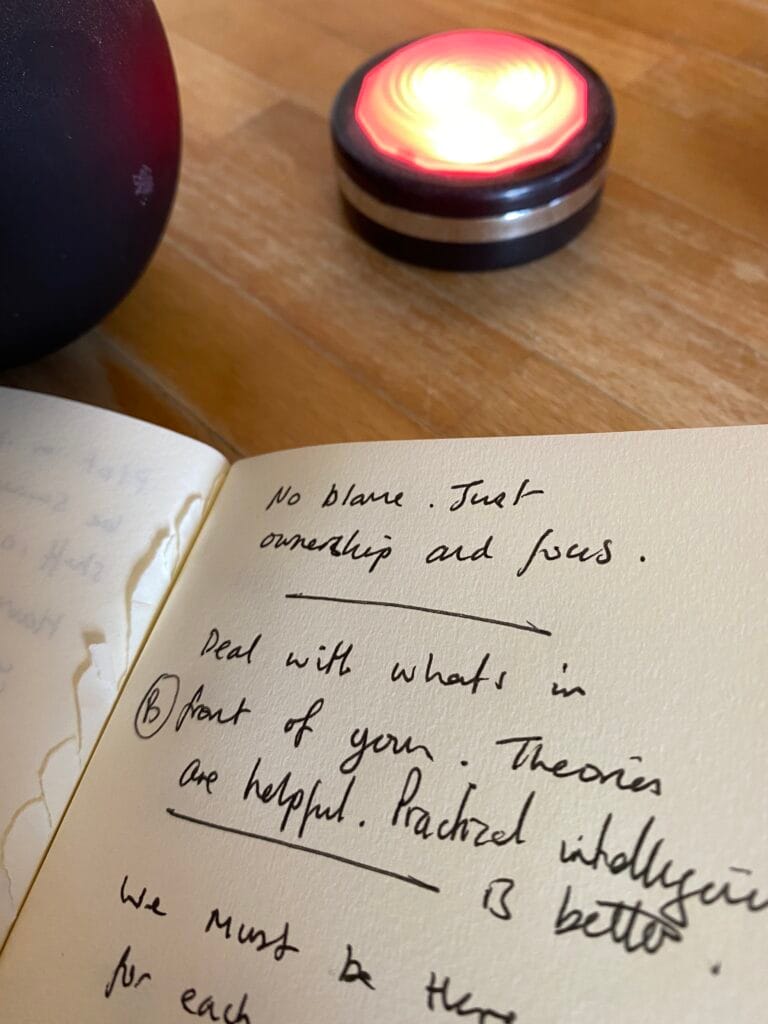
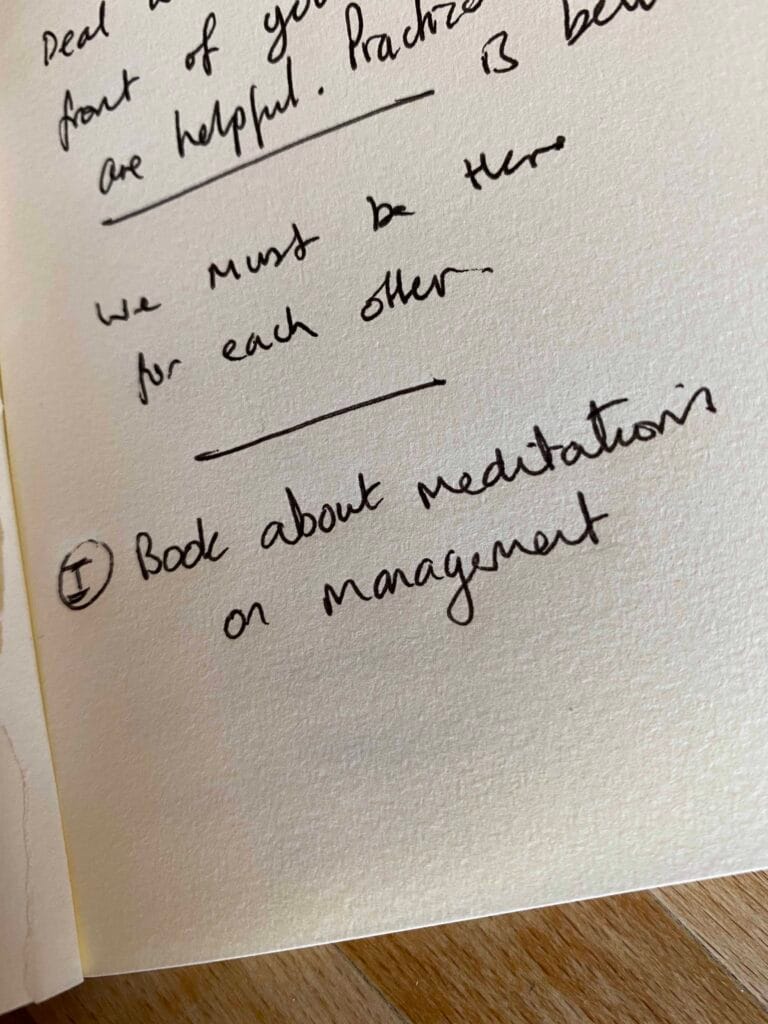
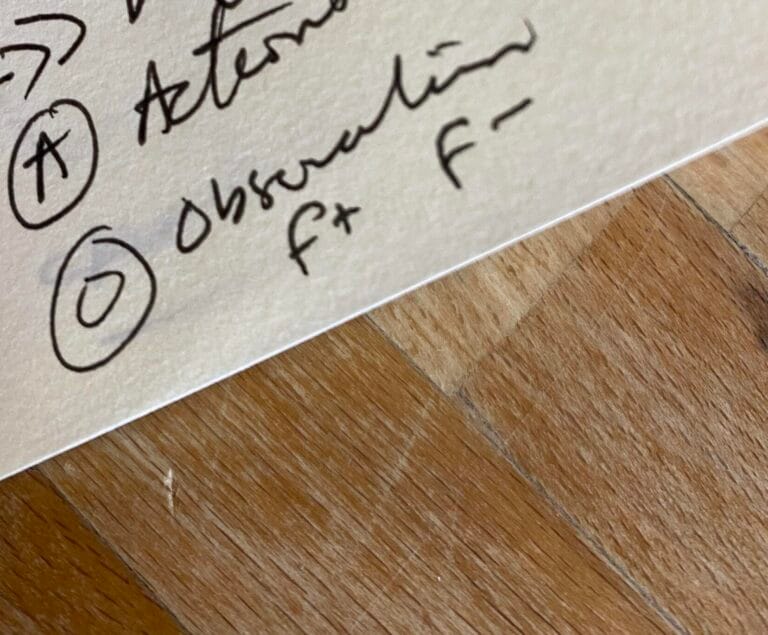
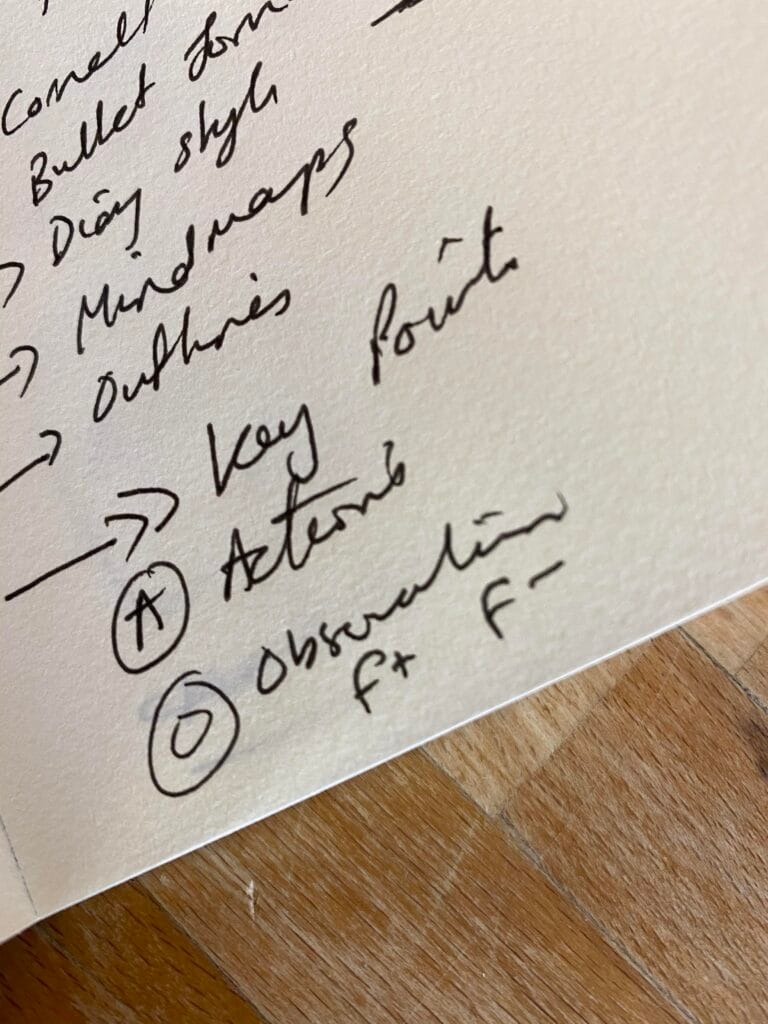
The Index System in Action
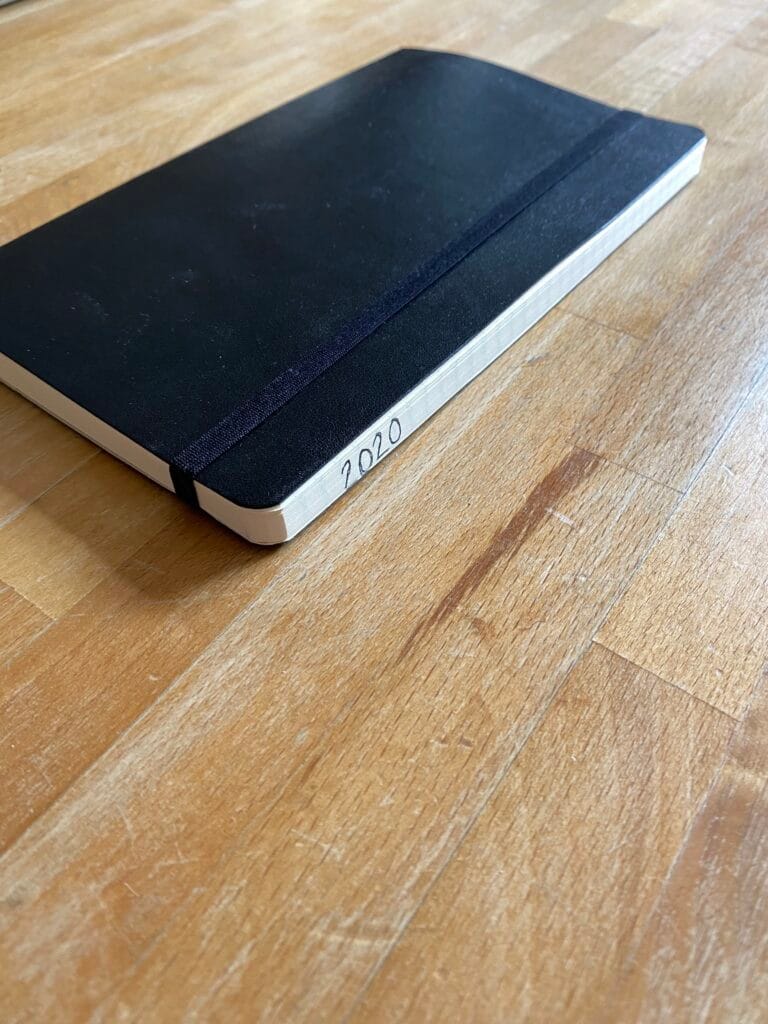
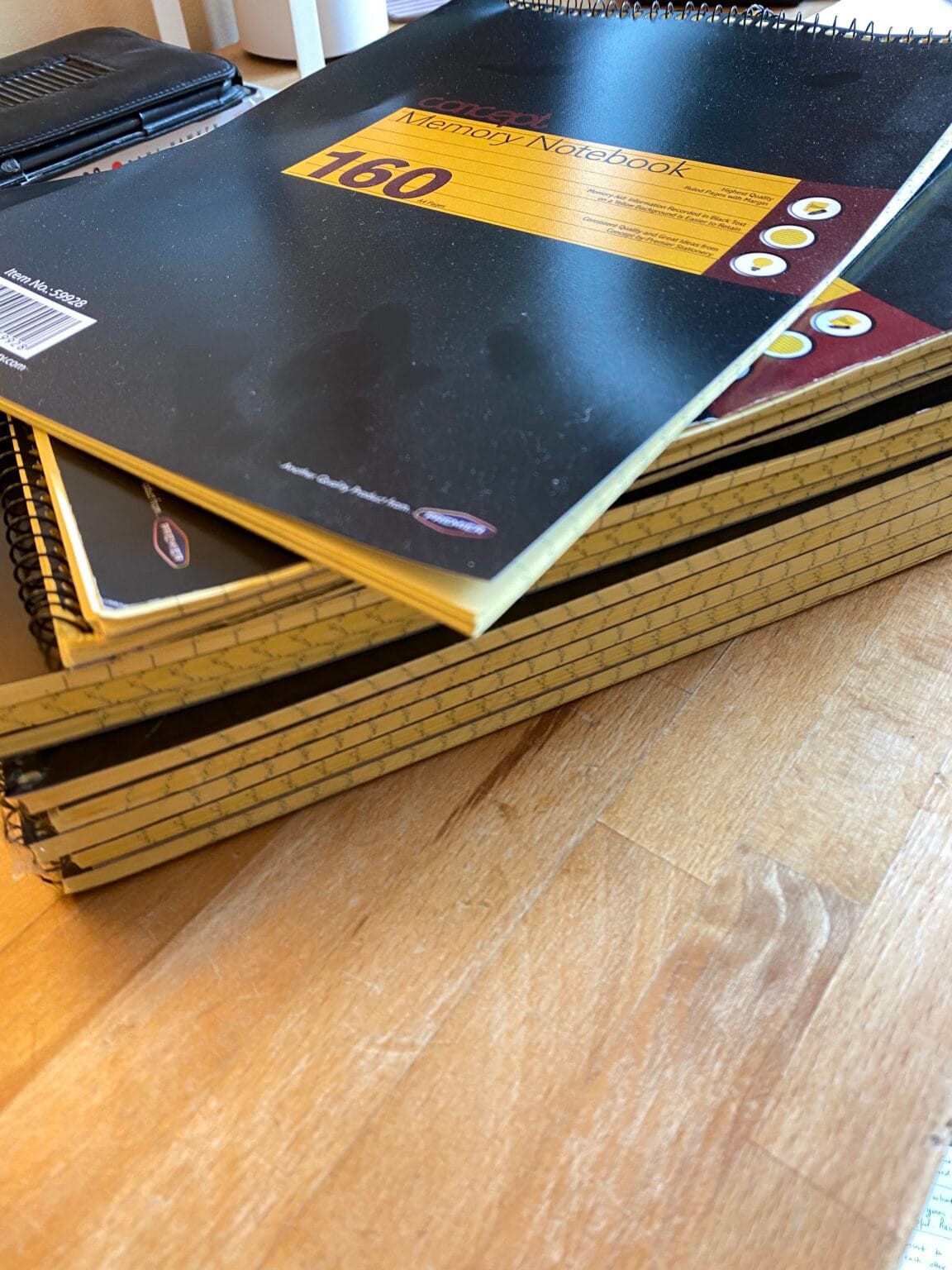
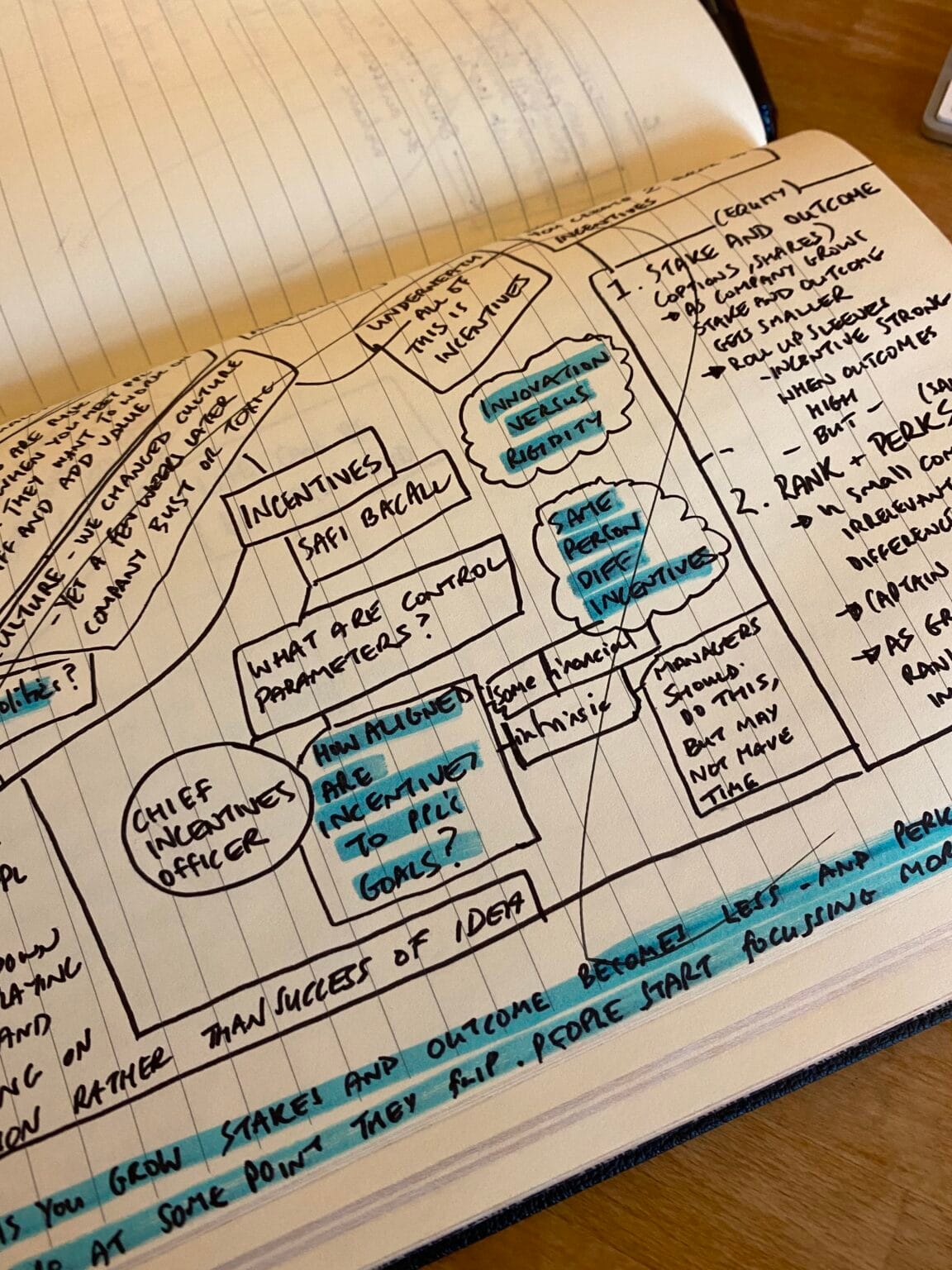
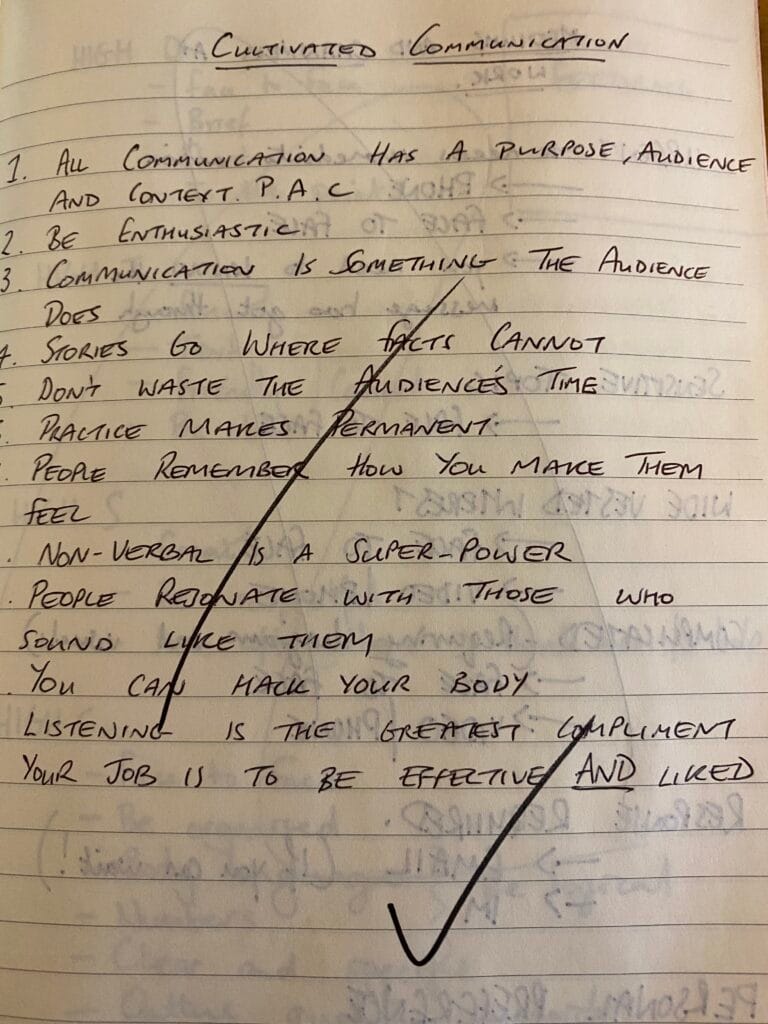
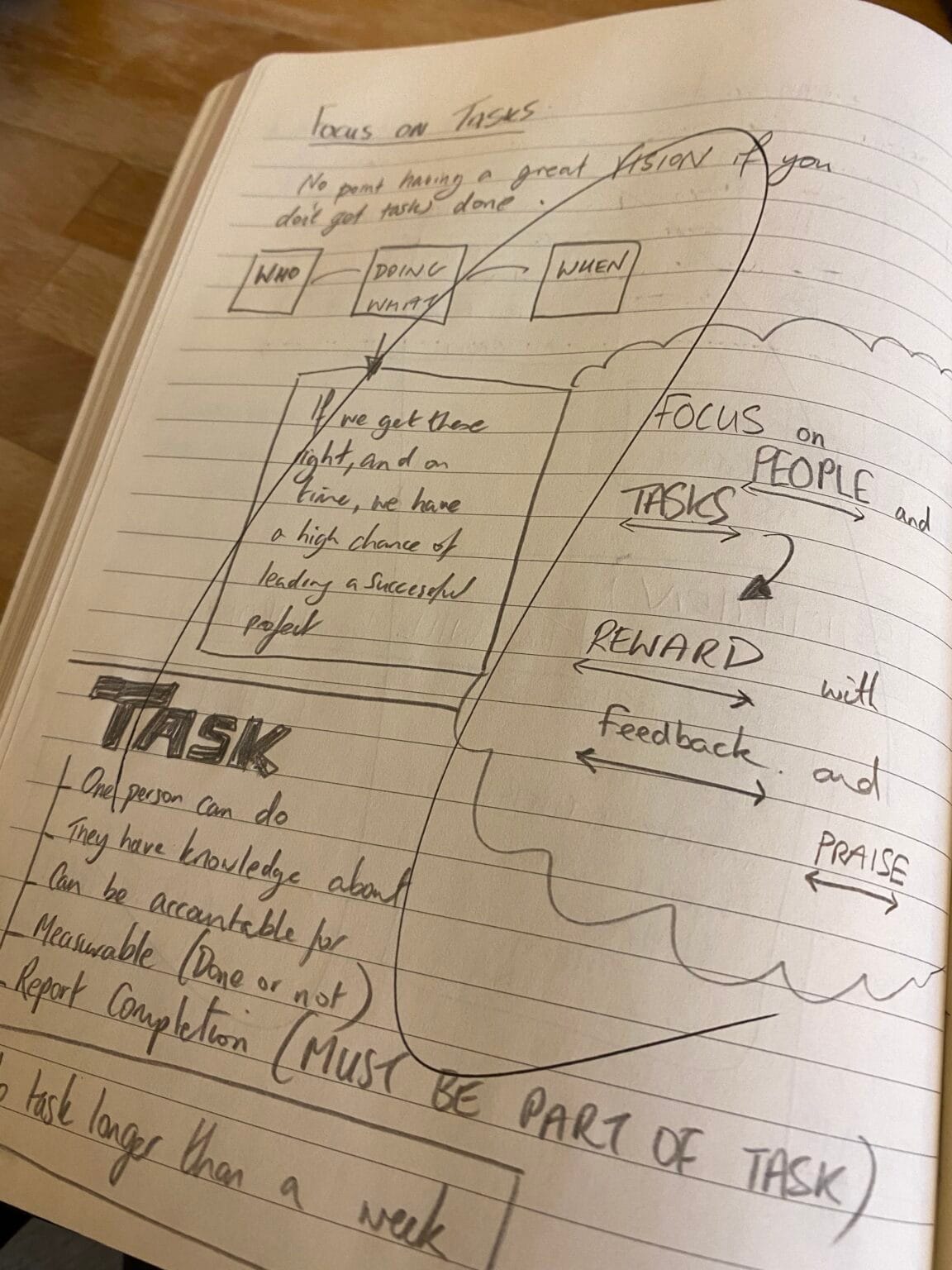
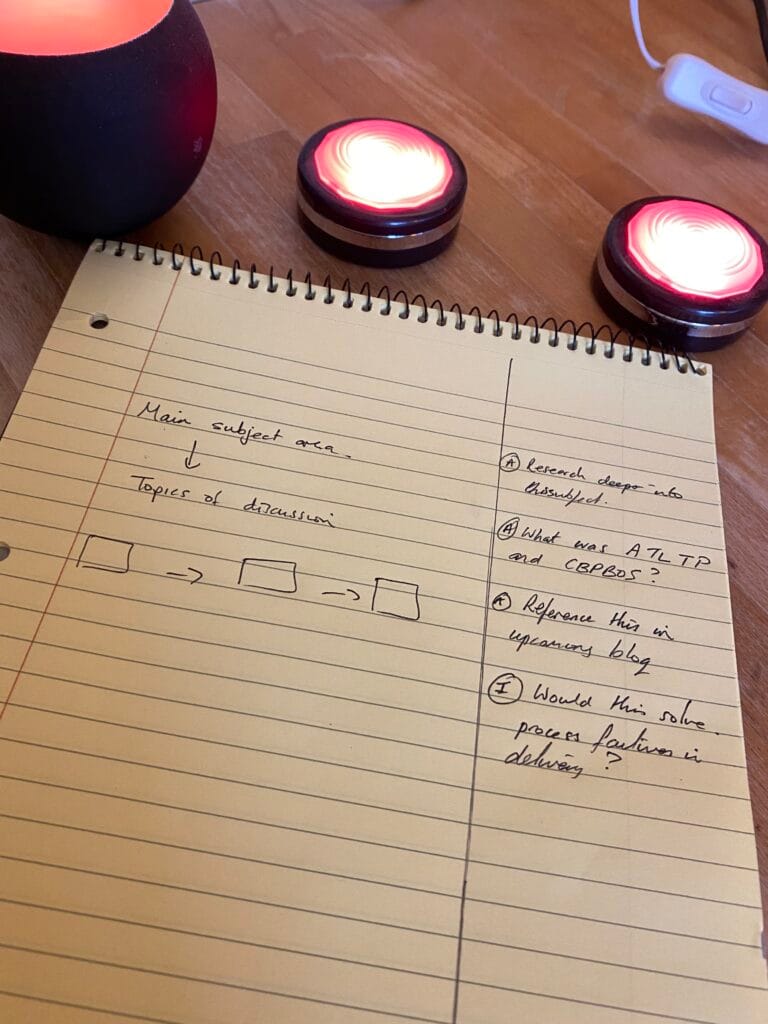
Some photos of my labelling system for work and ideas
Note Taking Styles
Explore the work
This piece forms part of Cultivated’s wider body of work on how ideas become valuable, and how better work is built.
To explore further:
→ Library — a curated collection of long-form essays → Ideas — developing thoughts and shorter writing → Learn — practical guides and tools from across the work
The link has been copied!
Your link has expired. Please request a new one.
Your link has expired. Please request a new one.
Your link has expired. Please request a new one.
Great! You've successfully signed up.
Great! You've successfully signed up.
Welcome back! You've successfully signed in.
Success! You now have access to additional content.