London Commute: A Photo Essay on Creative Practice in Transit
A reflective photo essay on commuting to London, walking the city with a Ricoh camera, and using travel as a quiet practice of noticing, thinking, and creating.
London Commute: A Photo Essay on Creative Practice in Transit
Editor’s Note: This photo essay sits in the Cultivated archive as a study in creative attention. Commutes, offices, and cities are not just logistical spaces; they are opportunities for noticing, thinking, and making. This piece reflects on travel, work, and the quiet rituals that keep creative practice alive inside professional life.
London Commute: A Quiet Practice in Noticing
I don’t often go into an office. Most of my work happens through video calls, across time zones, with people I rarely meet in person. When I do go in, it’s usually London.
Let me say this plainly: I’m not wildly in love with London.
It’s a city I respect, occasionally enjoy, but often find overwhelming.
I grew up in Sheffield, where London felt distant and mythic — elegant, magnetic, and slightly unreal.
My first visits were formative, cinematic.
Now, London means work. And work brings its own gravity.
Yet the commute has become something else entirely.
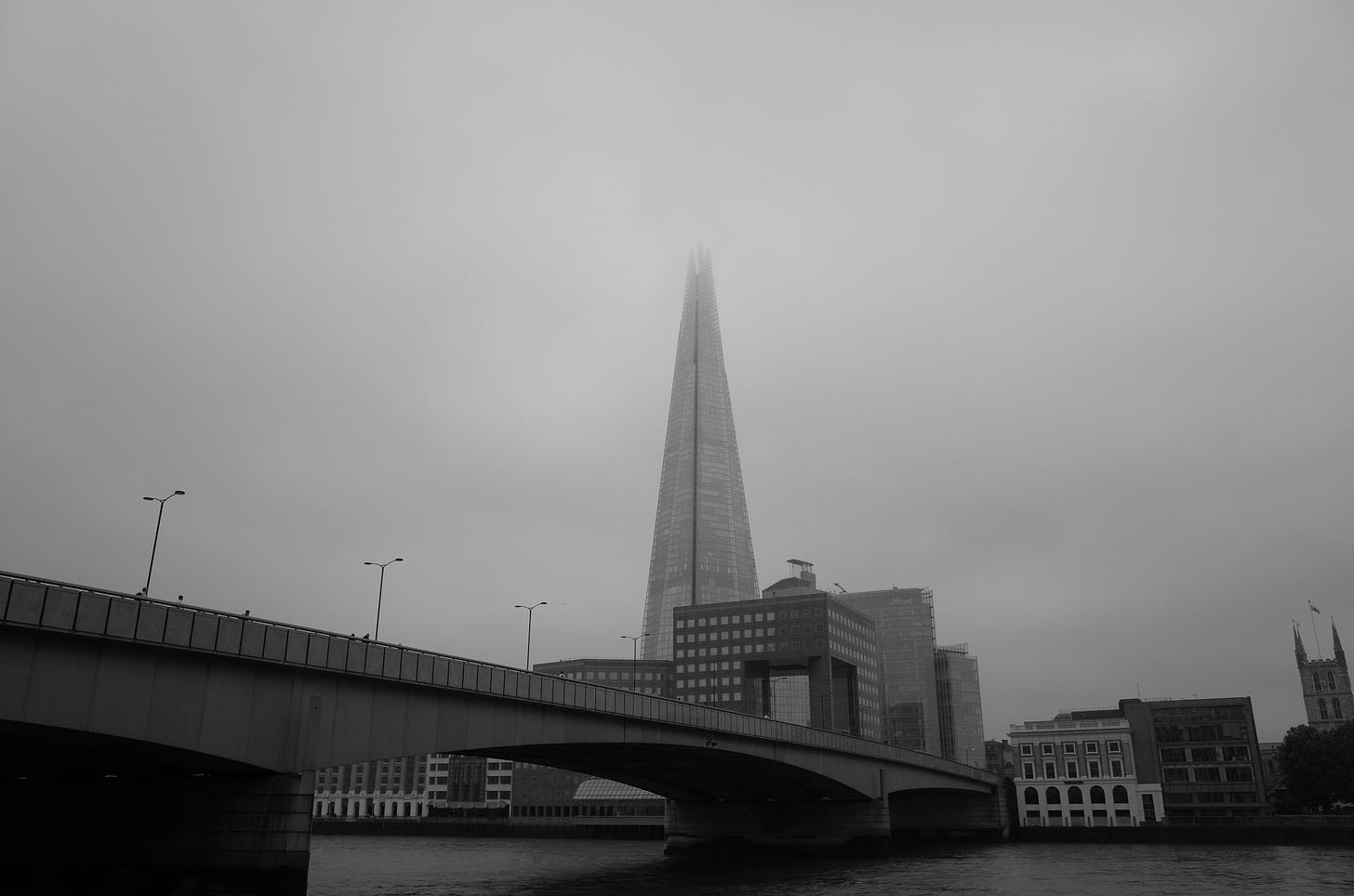
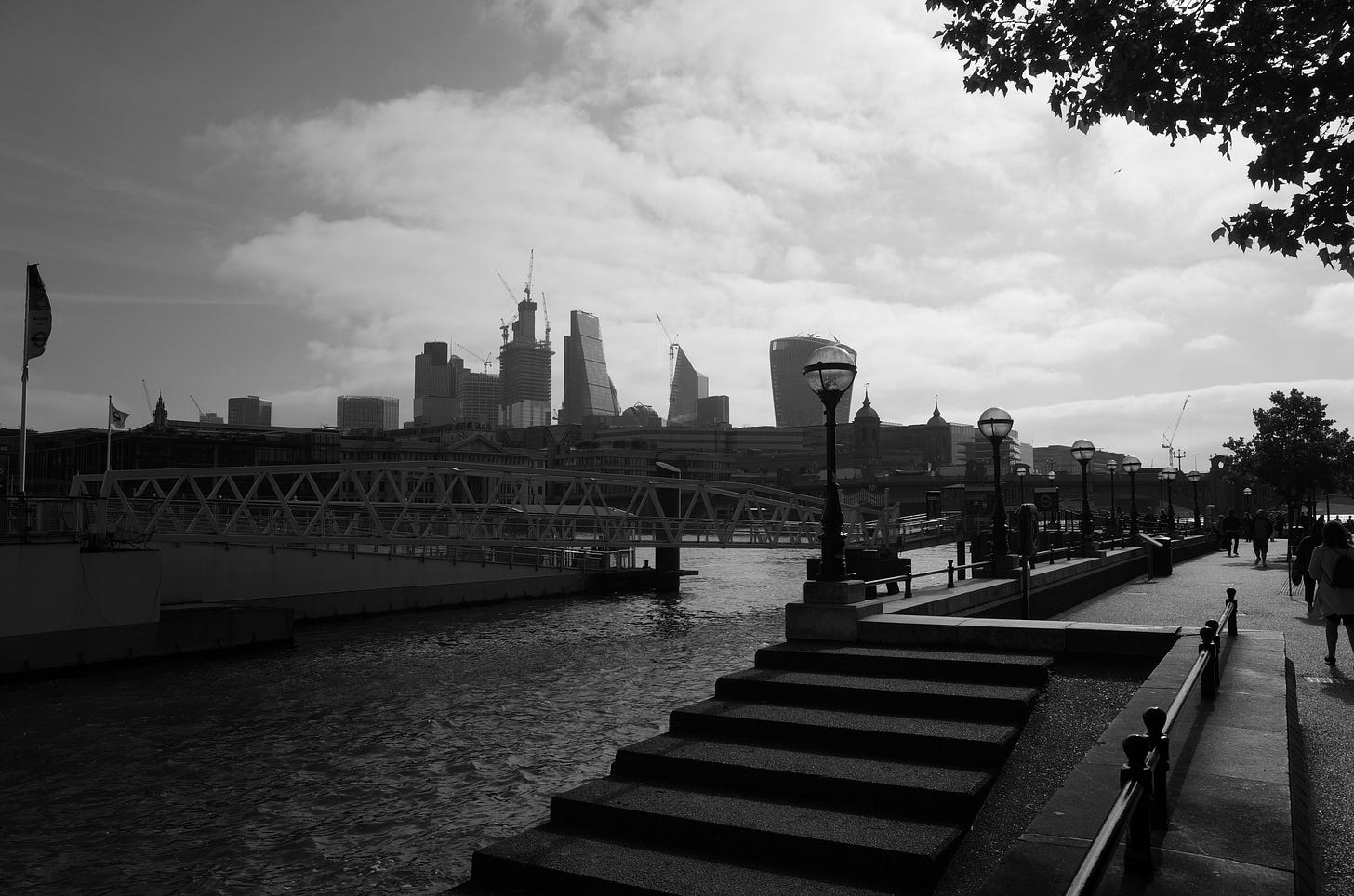
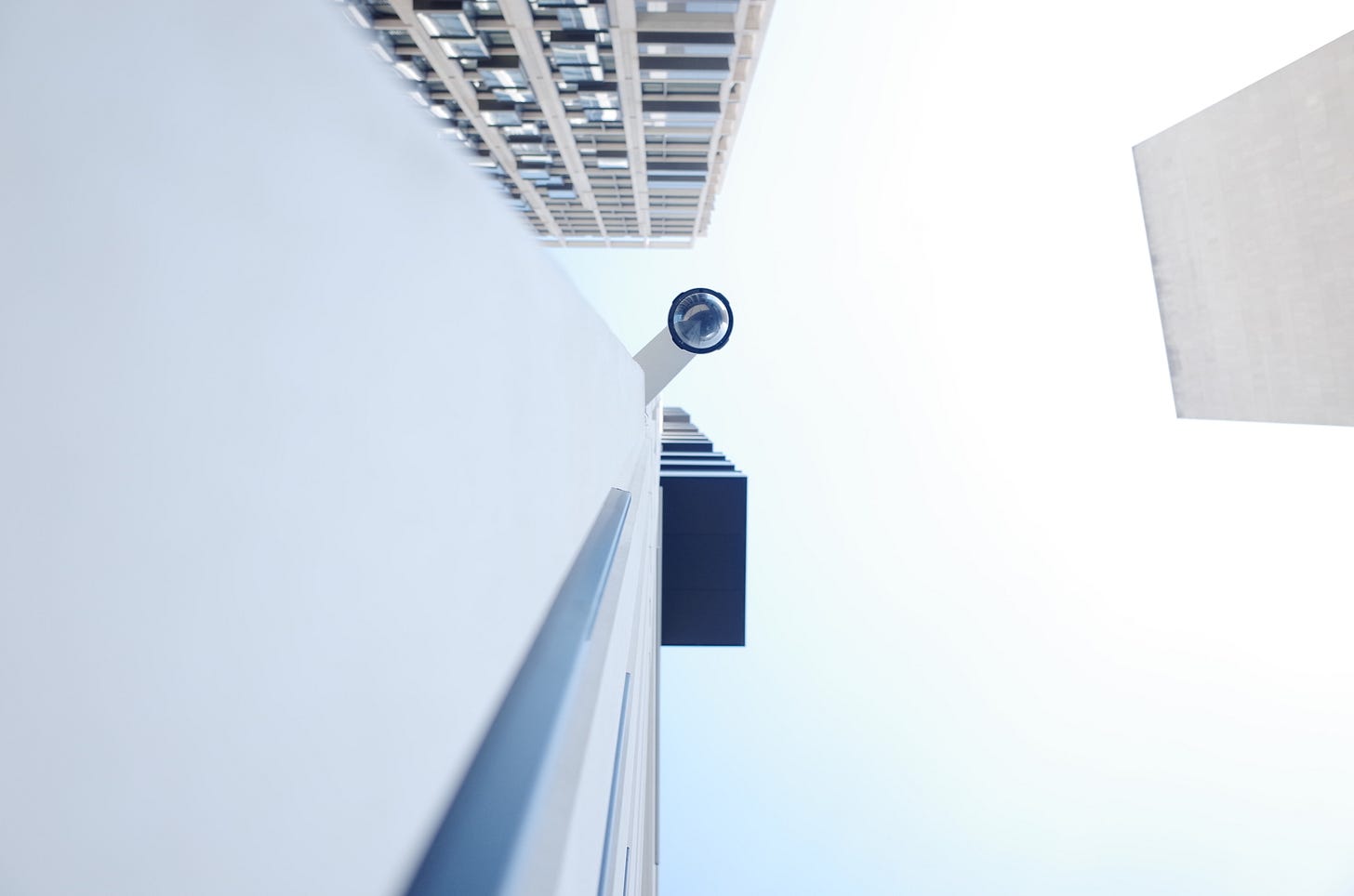
The shard
The Commute as Creative Space
The train is a pocket of quiet. Sometimes I write. Sometimes I sketch. Sometimes I stare out of the window and let my mind idle.
Occasionally I do nothing —and that is its own kind of work.
I carry an iPad for writing and design, and a notebook for thinking.
Once I arrive, I switch modes. The iPad goes away.
The camera comes out.
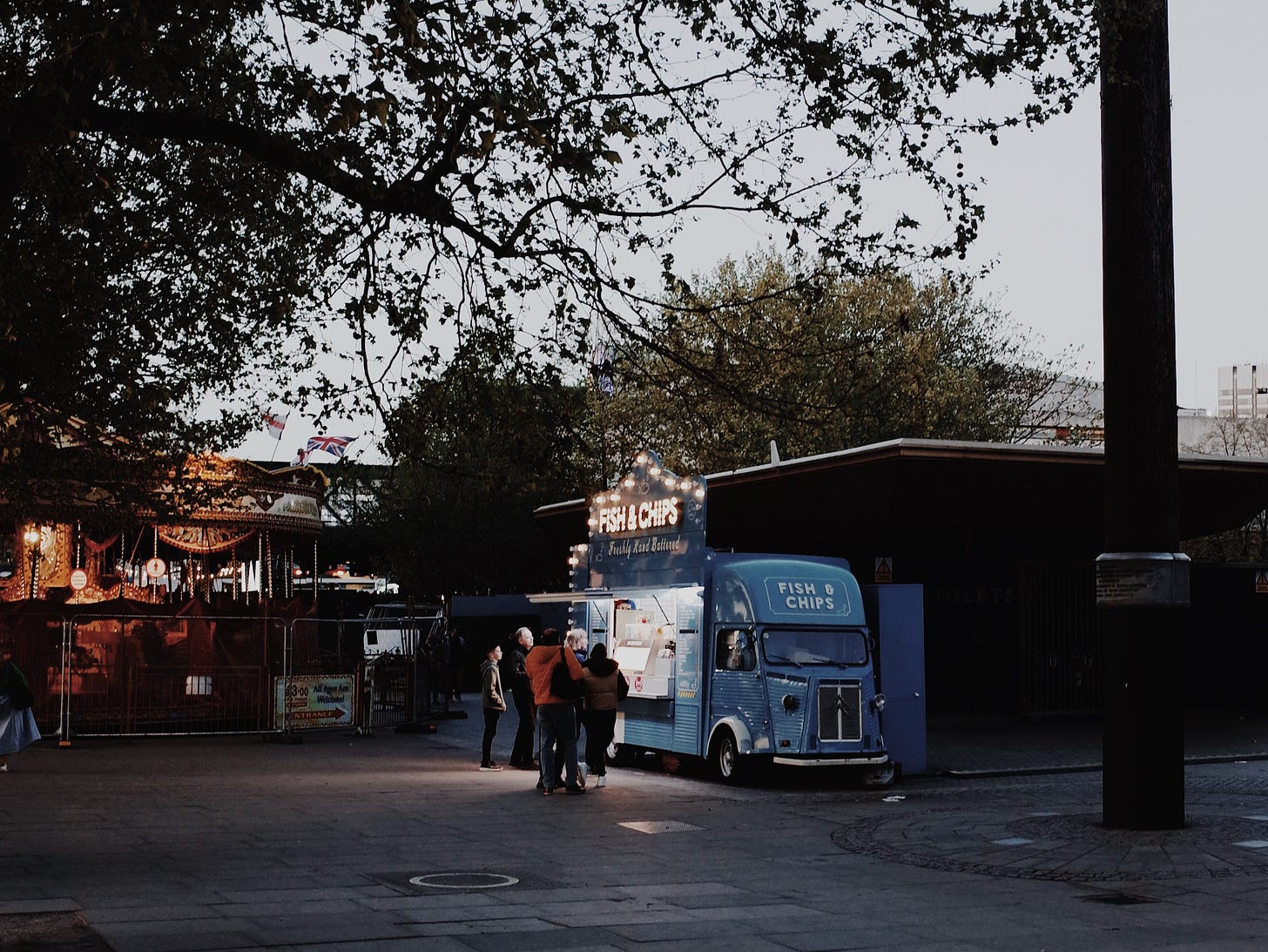
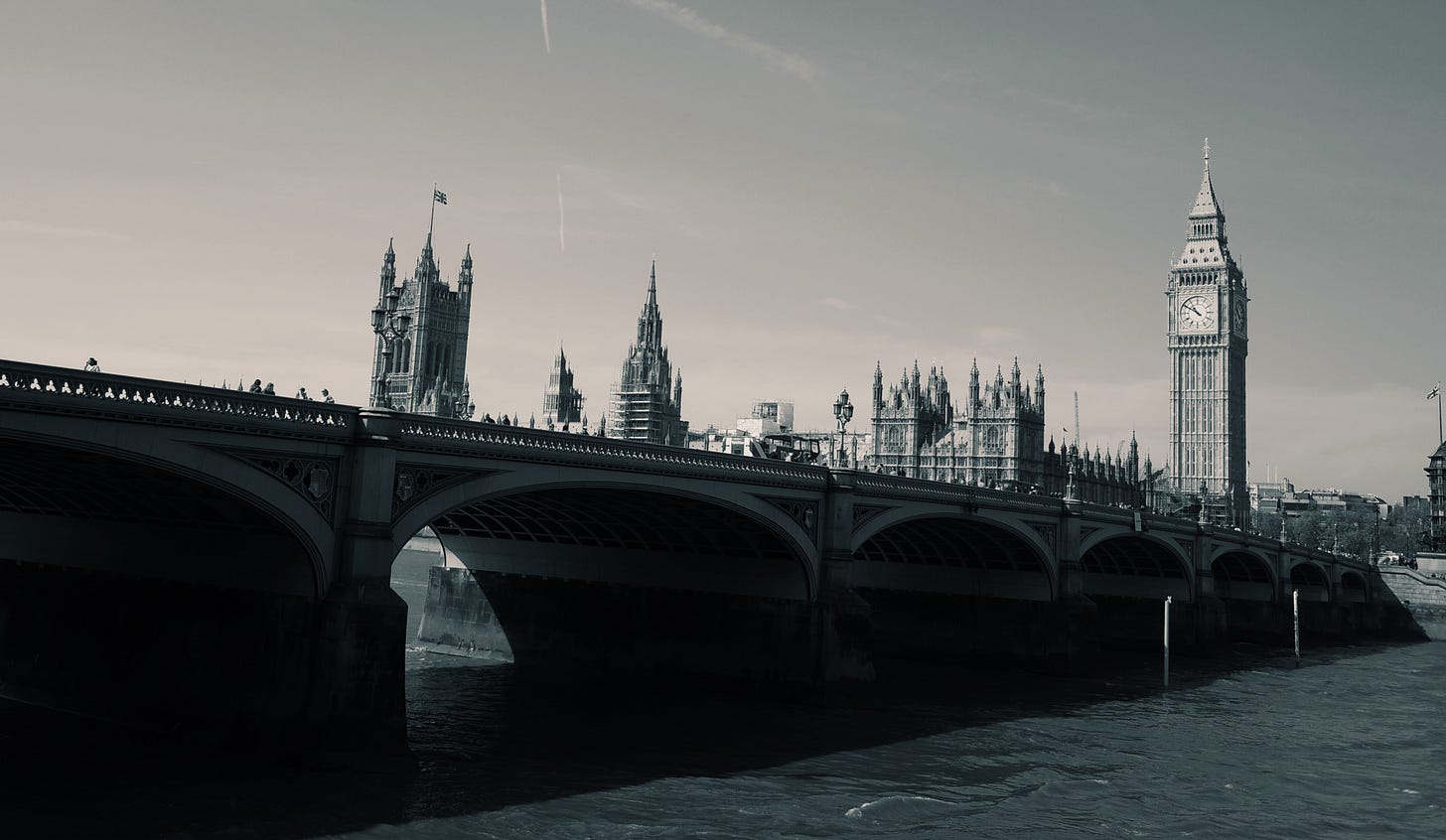
Embankment
Walking as a Form of Thinking
I try to walk through London. Not always — time, weather, and fatigue intervene — but often enough that walking has become part of the ritual.
The Ricoh GR lives in my pocket. I prefer it to the iPhone. The phone is too perfect, too frictionless. The Ricoh is humble, constrained, and quietly deliberate. No zoom. No spectacle. You move closer or you miss the shot.
That constraint is the point.
I rarely feel inspired before I start shooting. But the act of taking the camera out changes perception. Streets become patterns. Light becomes a subject. People become stories. Noticing begins.
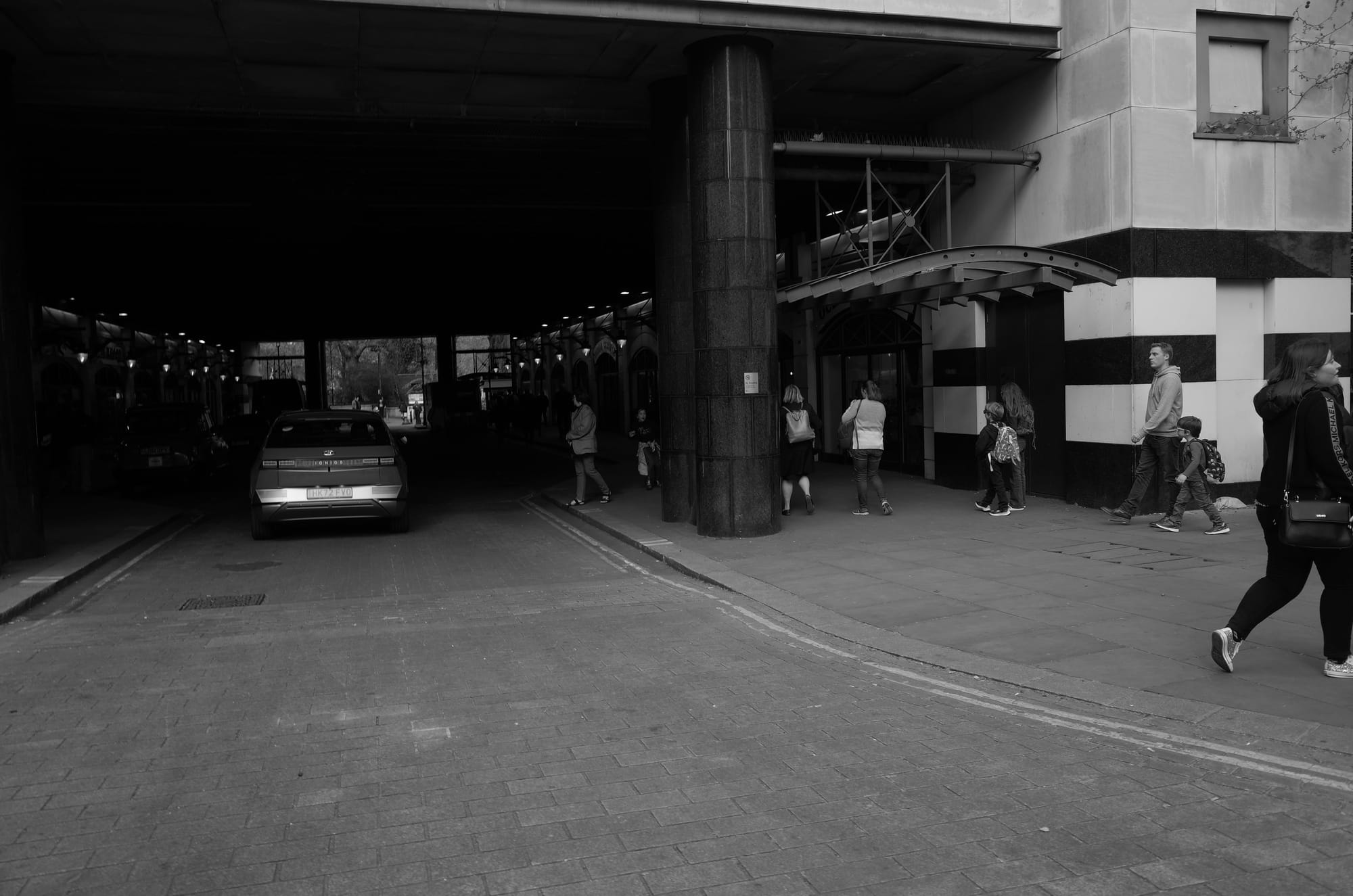
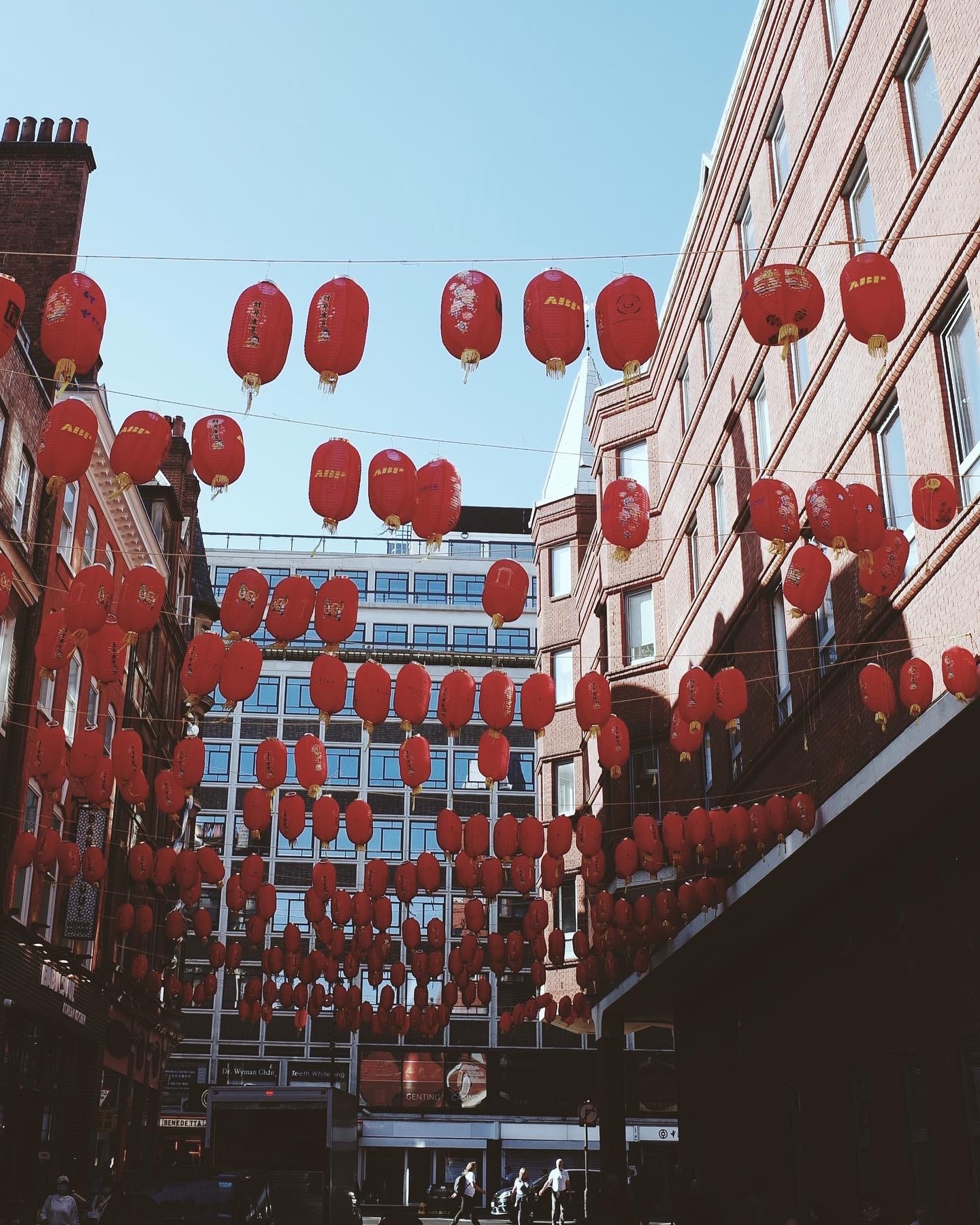
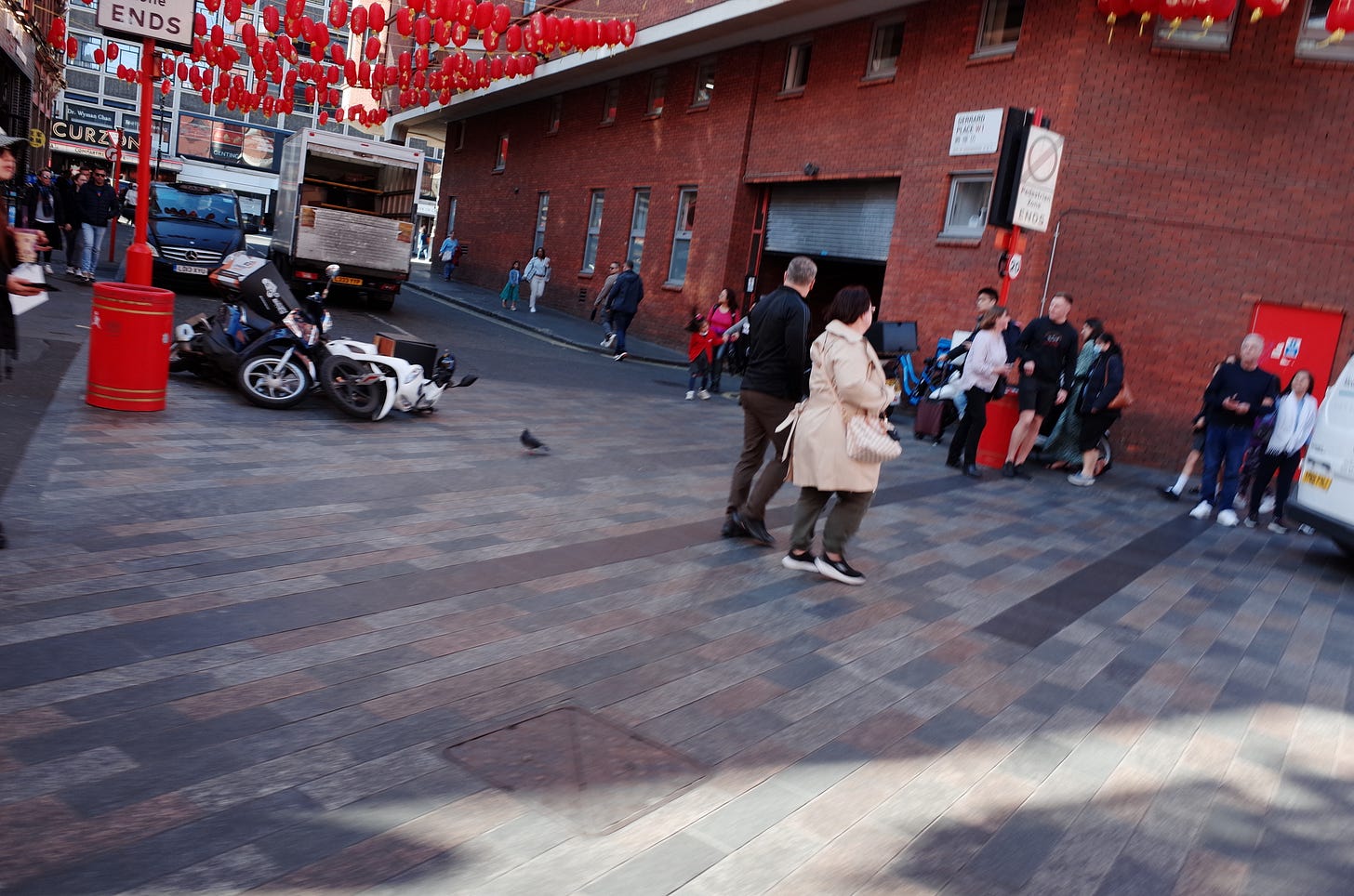
London - the streets are busy
Time Is a Story We Tell Ourselves
I often claim I don’t have time to be creative. That’s mostly fiction.
The commute is time. The walk is time. Even the car journey becomes time when a podcast replaces the radio, or a voice memo replaces a podcast.
Creativity isn’t blocked by calendars; it’s blocked by attention and permission.
This commute is my permission.
The Rule
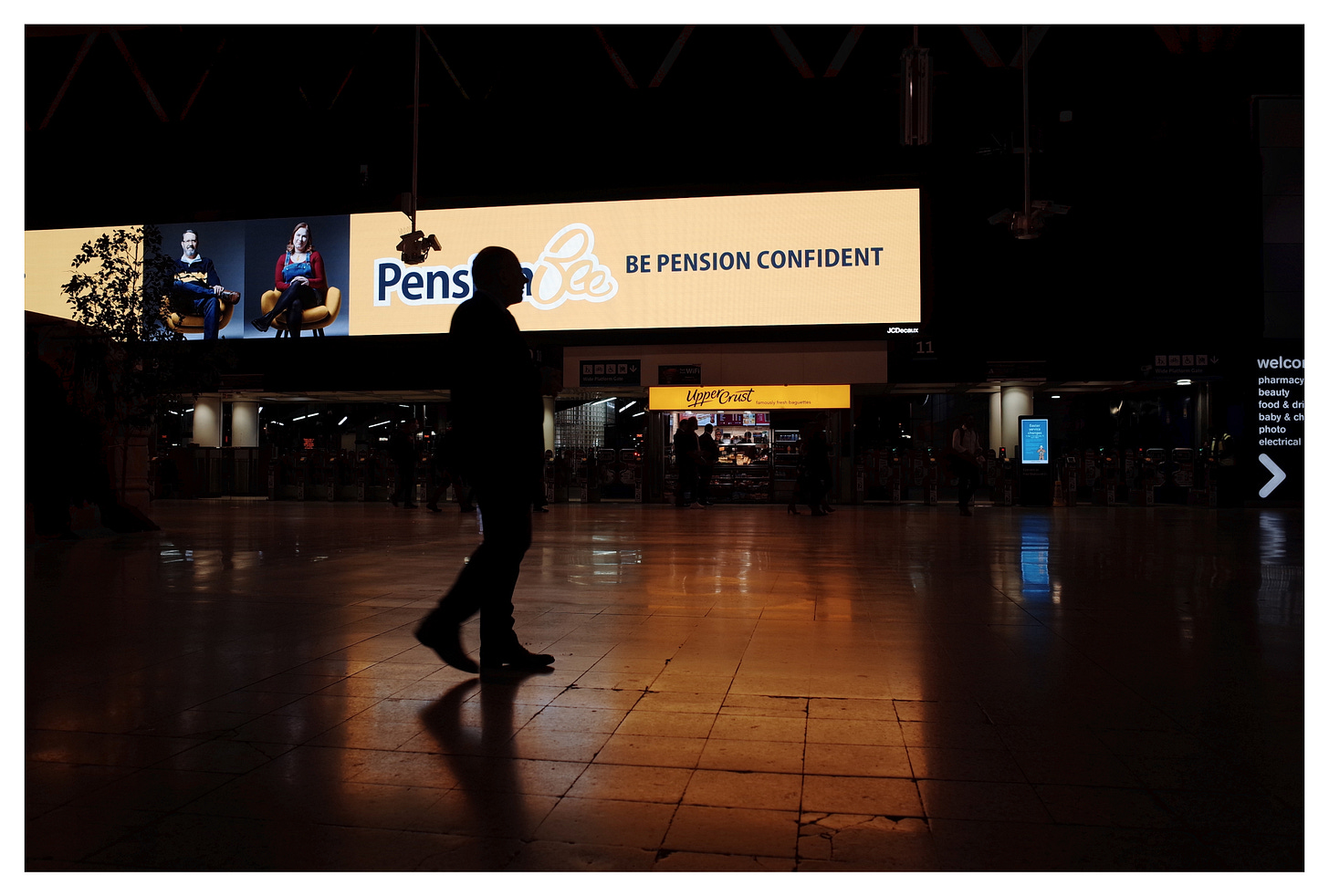
I now have a non-negotiable rule: When I go to London, the camera comes with me. And it comes out at Waterloo.
Some photos are forgettable. Some repeat old patterns. A few feel quietly alive. That’s enough.
The practice matters more than the outcome.
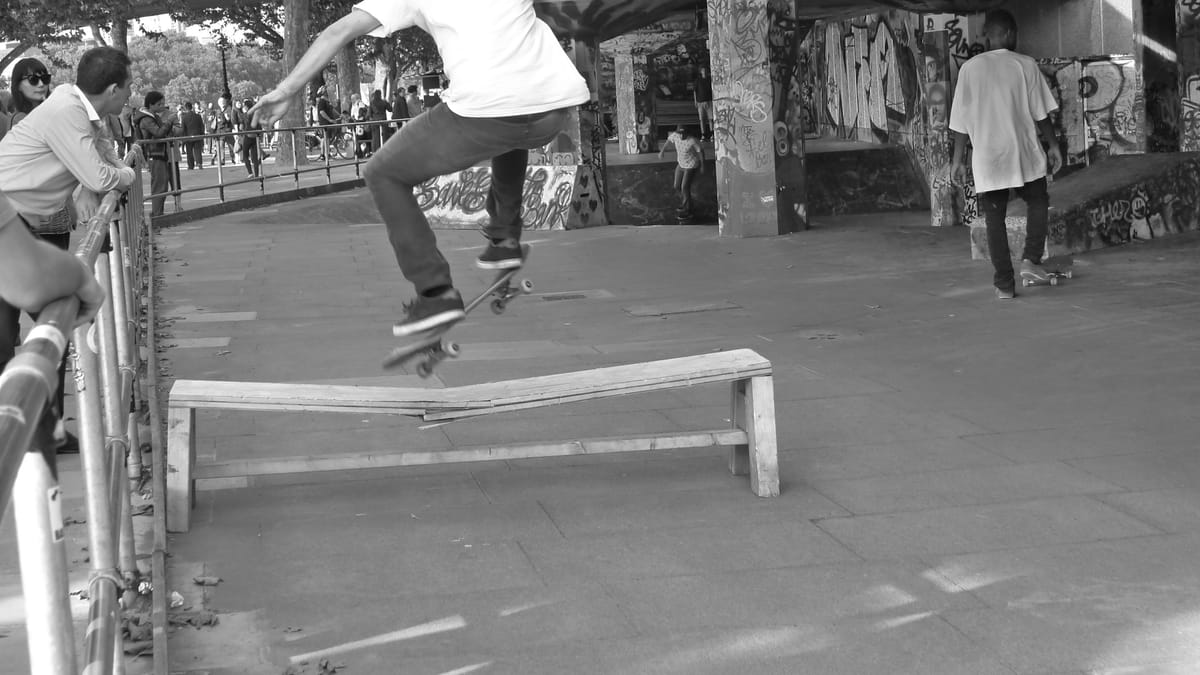
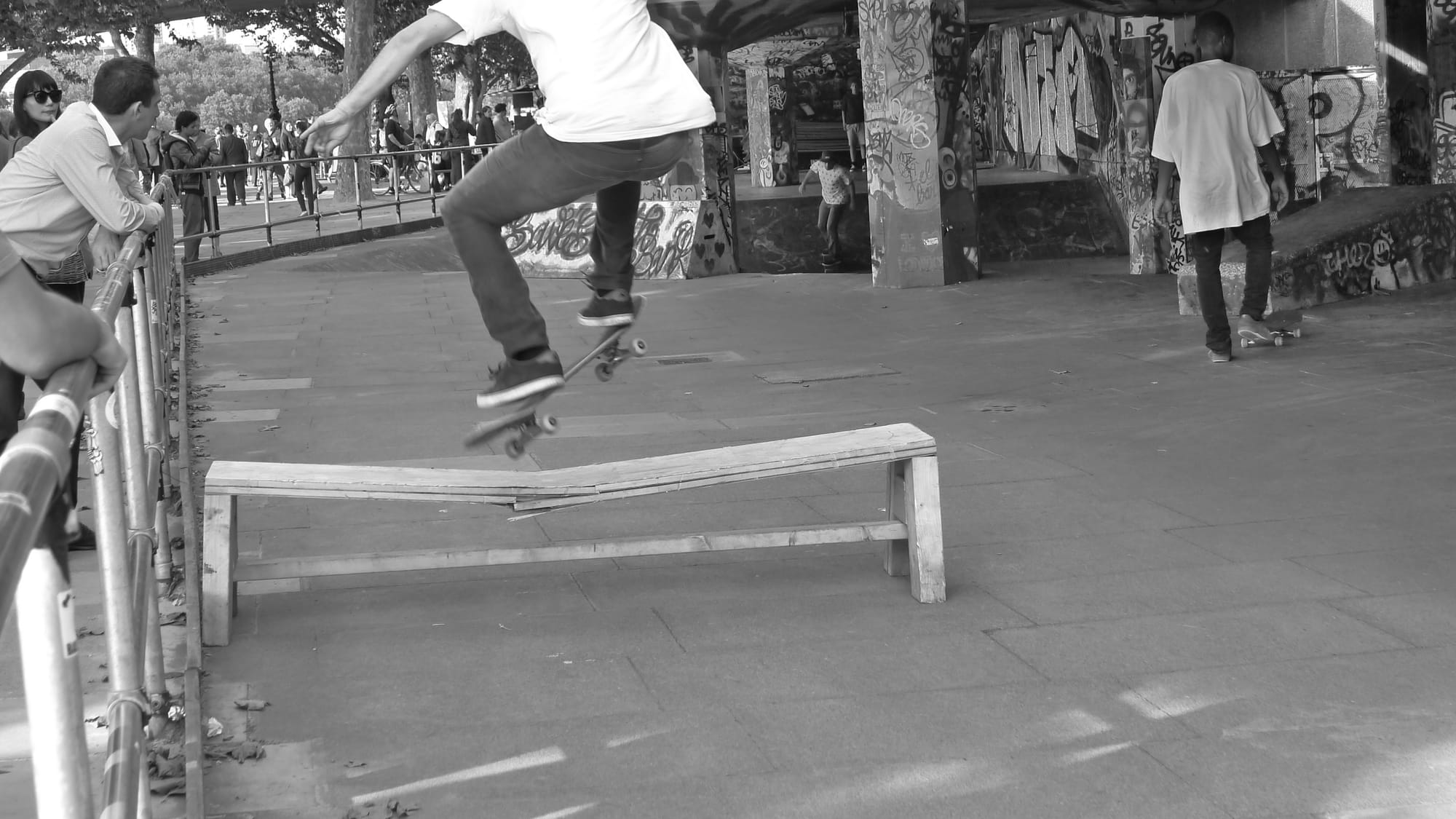
Skateboarders in London
A Small Question
Does your commute contain creative space —however small?
Where do you carve out attention, energy, and noticing in a working life that rarely slows down?