
Creativity & Climate (Engine)
The anti-role model
We give a great deal of attention to the people we want to be like. The people we'd hate to become are teaching us something too — if we choose to look.

Creativity & Climate (Engine)
We give a great deal of attention to the people we want to be like. The people we'd hate to become are teaching us something too — if we choose to look.
Creativity & Climate (Engine)
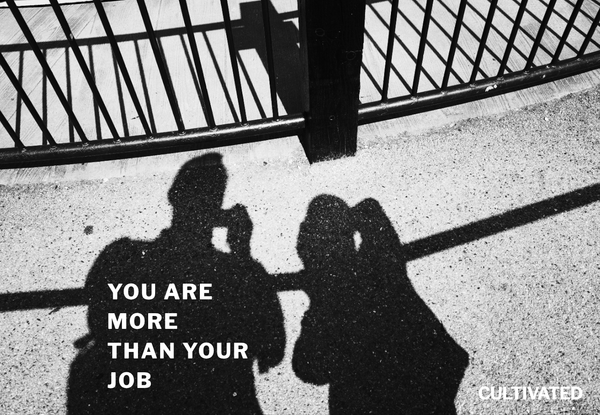
It's 3pm on a Tuesday. The meeting isn't terrible. The job isn't terrible. But a small voice keeps appearing: is this really all of me?
Creativity & Climate (Engine)
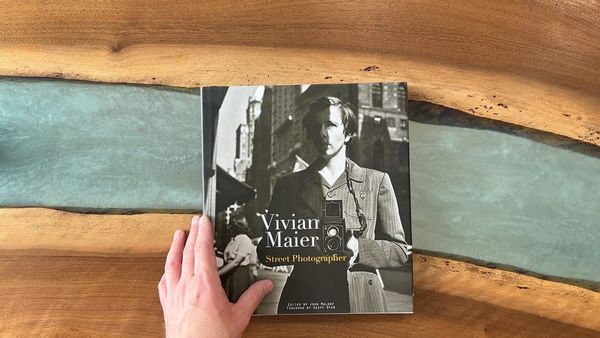
We often use amateur as an insult at work. But the word comes from the Latin for lover — and Vivian Maier's story shows exactly why that matters.
Learning & Practice (Flywheel)
The meeting moved on. Someone named the problem, proposed the solution, and the room agreed. Six months later, it turns out you were right. On developing curiosity as a practice — whether anyone listens or not.

Creativity & Climate (Engine)
For creativity to emerge it typically needs a different question: how do we discover what might be possible? That requires different conditions. Less friction. More trust. More room for work that can't yet prove its value in a spreadsheet.

Creativity & Climate (Engine)
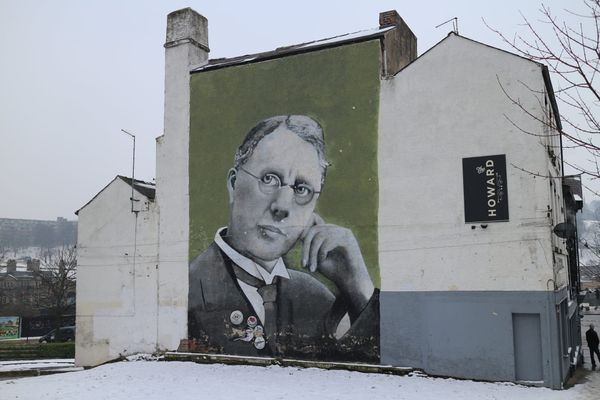
We use the word idea casually. But it traces back to a Greek verb meaning to see — and that changes how we understand what ideas actually are, and where they come from.
Communication (Wiring)
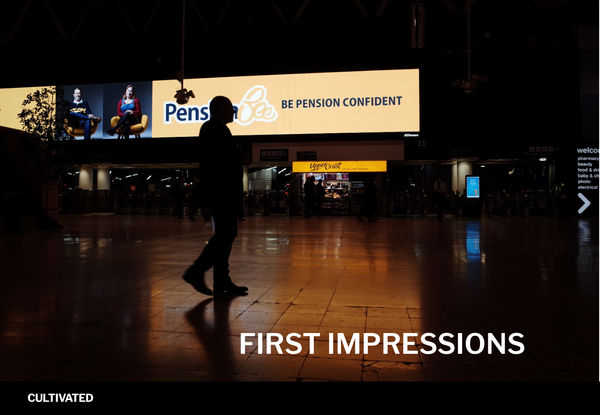
He appeared from the site office as I walked onto the lot. My verdict arrived before he'd opened his mouth. First impressions really are made in an instant — and the research on how to influence them is worth knowing
meeting notes
Meeting Notes is Cultivated's weekly letter — Sent Sunday, also in the members' archive. This week: Restoring hope, spirit and belief in work.

Communication (Wiring)
A practical breakdown of the Lion, T-Rex, Mouse and Monkey communication styles—and how to adapt your behaviour for clearer, more effective communication at work.
meeting notes
Meeting Notes is Cultivated's weekly letter — Sent Sunday, also in the members' archive. This week: Writing letters, impact and noise.
Creativity & Climate (Engine)
Fun at work isn't a perk or a Friday-afternoon extra. Read properly, it's the earliest signal you have of a team's health — a barometer that moves long before the dashboards do.
meeting notes
Meeting Notes is Cultivated's weekly letter — Sent Sunday, also in the members' archive. This week: Revisiting the ratio of adding value, or auditing those who do.