Leadership and Work in Practice

Wellbeing does not collapse because people lack resilience. It collapses when systems make good work impossible — and leaders pass the burden instead of fixing them.

Change doesn't happen because it is announced. It happens when people choose to move. Learning how to create motion — without force — is one of the quiet arts of leadership.

Good leaders share a quiet but powerful trait: they notice. They see patterns in people, cracks in systems, and signals hidden in everyday work — and they use that awareness to guide others.

A simple children’s puzzle reveals why clarity, focus, and removing obstacles matter more than force or instruction when trying to create meaningful change at work.
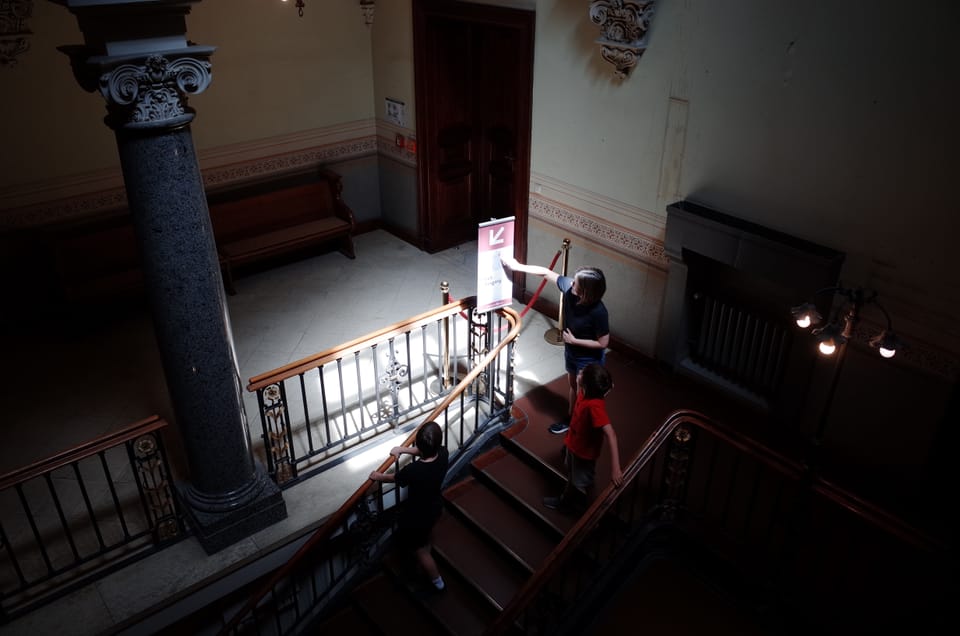
Learning is not about consuming more information. It is about changing behaviour. At work, the most effective learning happens when information, action, and teaching come together.

Time blocking is not about controlling time. It is about revealing priorities, protecting attention, and making conscious choices about how you spend your days.
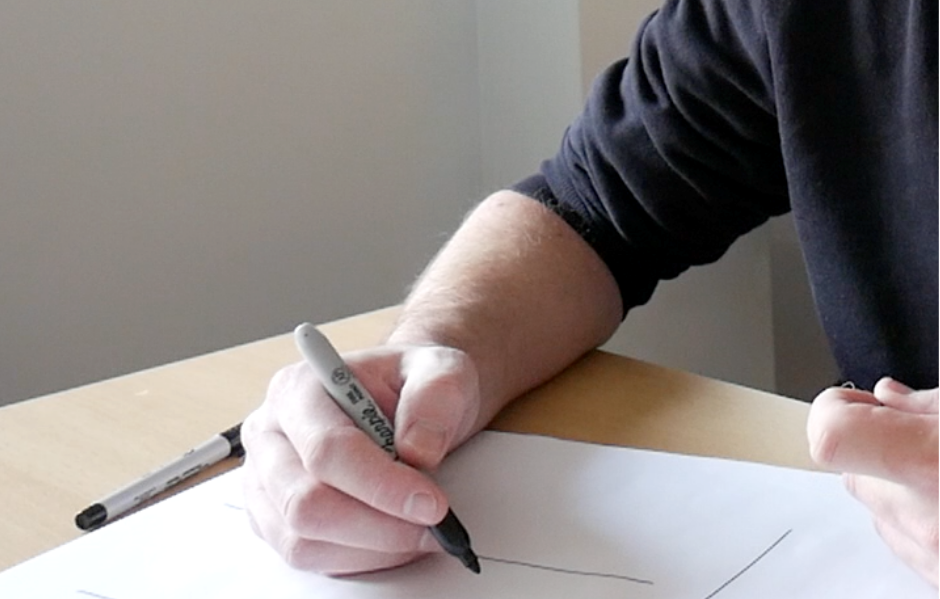
A3 Thinking is not a template or a form to complete. It is a discipline for slowing down, studying problems properly, and moving from opinion to evidence.

Stoicism is not about suppressing emotion or withdrawing from life. It is a practical philosophy for staying calm, acting with integrity, and leading well in the face of pressure.

Most organisations already have agility. It has simply been buried under layers of control, delay, and misaligned rules. Releasing it is a managerial act.