Engine — Creativity & Climate
Creativity and climate — the conditions that allow good work to happen. Articles in this layer explore environment, energy, creative practice, and what leaders do to make good thinking more likely.

Life cannot be balanced — only oriented. This essay explores the Pillars of Life: a way of looking at the tensions across the pillars that make us who we are.

The M25 is not designed to run at maximum capacity. Neither is a work system. Why slack isn't wasted capacity — and how to protect the space where human intelligence actually happens.

Internal coaching teams can be strategic force multipliers — or expensive hobbies. This guide outlines practical principles for building internal coaching and consulting functions that deliver real business value.

Training doesn’t change organisations. Behaviour does. A systems view on why most learning fails — and how to design learning that actually sticks.

Coaching plans are not performance tools — they are design documents for human growth. A practical framework for developing capability deliberately.
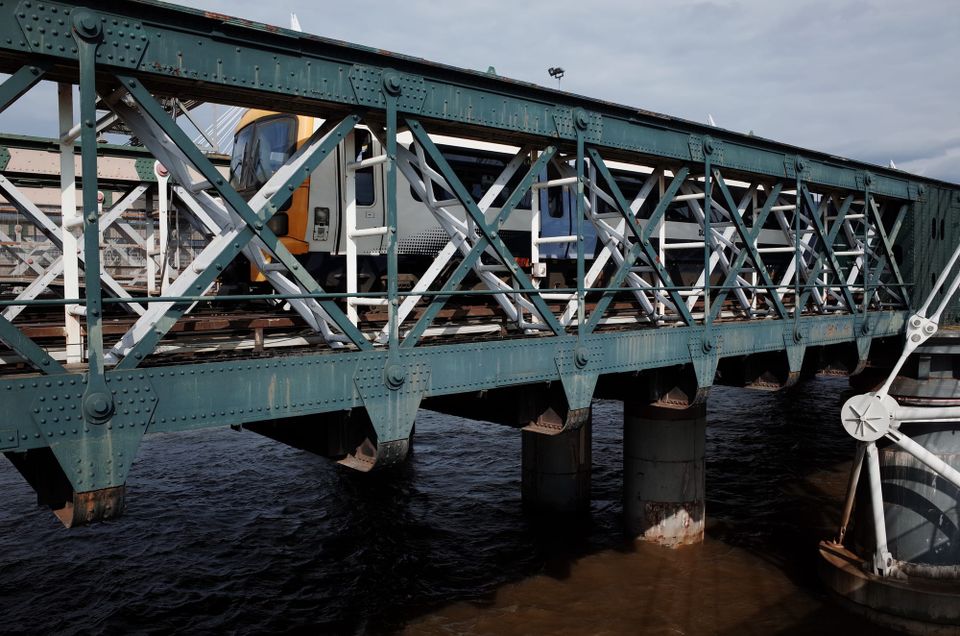
Every hire permanently alters how work flows, how culture is enacted, and how value is created. Why hiring is system design — not recruitment administration.

You cannot build a great customer experience on a poor employee experience. Why customer service is a management discipline, not a frontline function.

Relationships are the invisible operating system of organisations. This article explores why relationships matter, how to build them, and how they enable real work to happen.

Paper is not obsolete — it is thinking technology that has survived every digital revolution. A practical case for analogue tools as cognitive environments, not nostalgic curiosities.