communication

Mottainai is a Japanese ethic of regretting waste. In work, the greatest waste is human time, energy, and attention. This essay reframes leadership as stewardship of human potential.

A compelling vision is the starting point for meaningful change. This article introduces the Painted Picture and how vision, clarity, alignment, and action shape organisational agility.

Conflict at work is rarely about the work itself. The Drama Triangle offers a practical lens for understanding how behaviours and communication patterns create friction.

Coaching is often framed as questions versus answers, but in practice it is a mix of both. In this Studio essay, I share field notes on coaching as a discipline for helping people improve outcomes in work and organisations.

Broad communication is not generic communication. Treating everyone the same is the fastest way to ensure no one understands.

As teams grow, it becomes harder to stay connected to the reality of work. The 5:15 report is a lightweight sense-making loop—five prompts that compress progress, improvement, and mood into a readable signal.
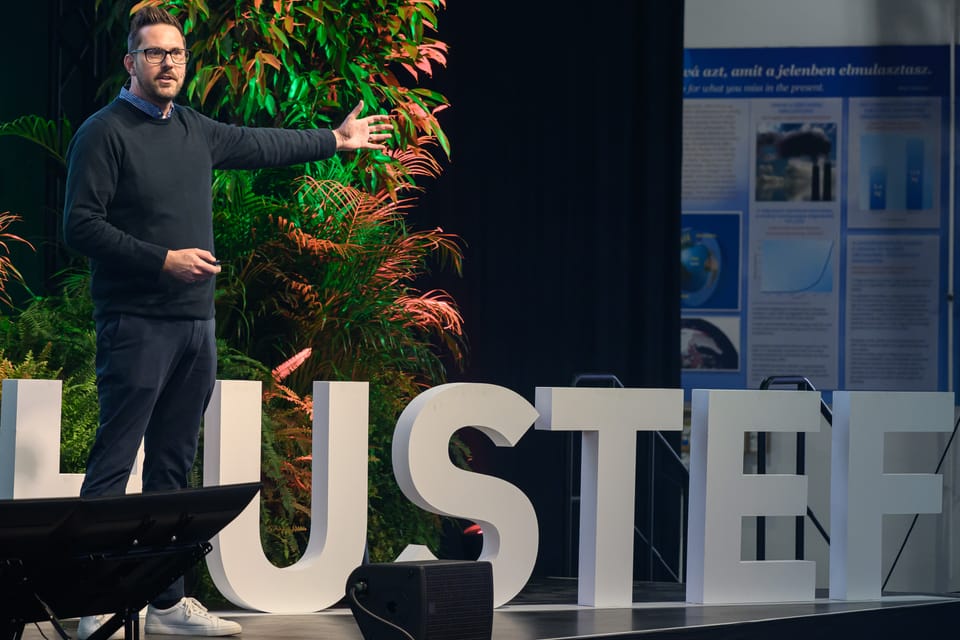
Public speaking is not performance — it is sense-making. This essay explores why speaking shapes leadership, how stories move organisations, and why clarity of voice matters more than charisma.

Leadership is built in small moments. This essay explores how everyday nudges—attention, discipline, gratitude, and purpose—compound into clarity, alignment, and meaningful work.

Spirit and hope are not soft concepts—they are core conditions for meaningful work. This essay explores why leaders must cultivate joy, belief, and energy in the pursuit, not just at the finish line.