The new player at the table
Every new player slows the poker game while everyone re-explains the rules. Plenty of workplaces run the same way — on why stable teams compound, and why you flow work to teams, not teams to work.

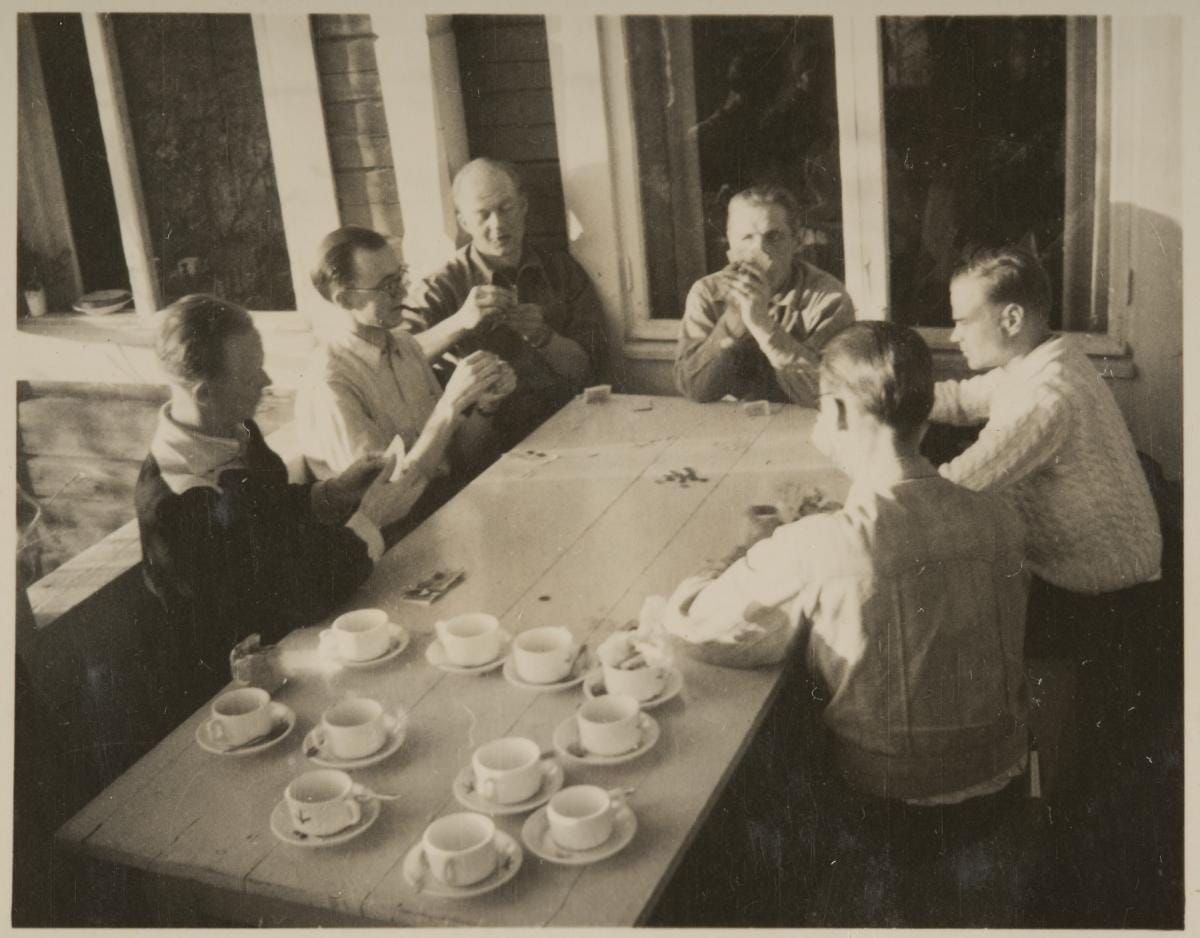
On Why stable teams outperform constantly changing ones
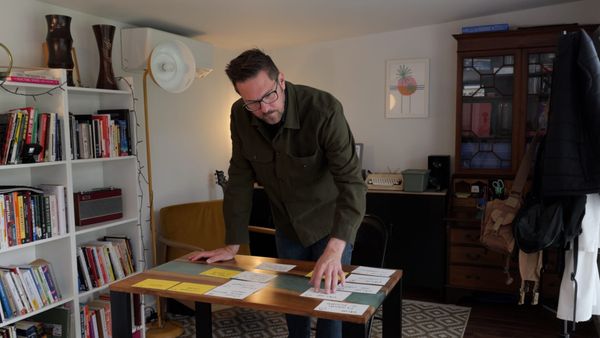
Every couple of months I play poker with a group of friends – a collection of high-flyers and genuinely successful people. And me. I've just about got the hang of Texas Hold'em, though the cheat sheet is never far away. We play small bets, chat about cars usually and eat our body-weight in snacks and crisps. It's a lot of fun.
Every so often someone new joins us – a friend of a friend, one of the kids, somebody's partner – and often they don't really know the game. So we slow down. We explain the rules, talk through what beats what, run a practice hand or two, show them the ropes. It's a slower night, a little more stop-start, everything spelled out in detail. Still fun; fun is why we play. But it's a different evening from the ones where the same six of us sit down, reading each other across the table in glances and half-sentences.
At work we want the fun too – the joy, the spirit, the hope; anyone who tells you otherwise is no fun to work with, run a mile. But we also need something to come out the other end worth paying for. Results as well as the meaning and joy. It's what keeps the lights on. And yet a surprising number of the larger workplaces run their whole approach to turning ideas into value, like a poker game with a new player at the table every single hand. Forever slowing down. Forever explaining the rules. Never quite getting to the game.
Because there's a real difference between a group of people and a team. A group assembles and gathers; a team accumulates and compounds. In a lot of organisations, work arrives through the filter – a new initiative appears, funding lands, and people are gathered round it from wherever they happen to be free. They form up, introduce themselves, work out who knows what. And just as the thing begins to move, the priorities change: the team dissolves, the knowledge evaporates, the relationships reset, and somewhere else the whole cycle starts again from nothing.
It's an expensive rhythm, and most of the expense is invisible– not the money so much as the time, the energy, and the cost of starting over. Every freshly assembled team pays the same tax before it produces anything worth having: time to learn the work, time to learn each other, time to build enough trust to disagree professionally.
In my experience, three months is not unusual – three months of investments with costs before any real momentum turns up. And then, just as it does, or after the value has been realised, the group is broken up and scattered, taking everything it learned with it, like chalk washed from the pavement.
A stable team never starts from zero. It starts in motion and with understanding. It knows its own rhythms, has its own shorthand, and understands not just the work but the world around the work and the people they are working with. They're remarkable knowledgeable about the customers, the products and services, the way things may go wrong and the ways each person amplifies each other. It's a really wonderful human thing to see. Hand a well-formed, good team, something new and it's halfway into it before a new group would have finished the introductions over a pot of tea.
I've come to believe that the force underneath all this is care, and care turns out to be the very fuel needed for creativity. People look after what they expect to work on again. They invest their finite resources of time, energy and attention differently when the work isn't temporary, when the customer isn't a stranger or an unknown, and when the thing they're making won't simply be handed off and never be seen again.
Relationships aren't something we do to get the job done and move on. They're the substance the work actually runs through. When people know they're not just passing through, they put more of themselves in, and the work stops being a task and becomes a shared journey. Something to get stuck into. Something to make the best of.
Many organisations build a team around each new idea. The better ones do the opposite: they keep the team together where possible, and flow the work to them.
The ideas and work can still change – it will – but those taking on the challenge stay intact while the work moves through them. And in that stability important things compound: not just the ability to turn ideas into something valuable, though that improves, but the harder to measure things too – continuity, confidence, morale, joy, the understanding that lets people explore, create, try new things and improve, because they know exactly who they're sitting with.
It's the difference between the poker night where we're teaching someone which hand beats which, and the one where we get straight into the game. Both have their place. But it's harder to build a business on a poker table that resets every hand.
Where this sits in the Atlas
Orientation·Idea to Value·Communication·Creativity & Climate·Learning