What a Children’s Puzzle Taught Me About Leading Change
A simple children’s puzzle reveals why clarity, focus, and removing obstacles matter more than force or instruction when trying to create meaningful change at work.
What a Children’s Puzzle Taught Me About Leading Change
Editorial Note This essay is part of the Cultivated canon — a body of work exploring how change actually happens in organisations, and how ideas move to value. It reflects a recurring theme in this library: that progress comes less from force and instruction, and more from clarity, alignment, and removing obstacles.
What a Children’s Puzzle Taught Me About Leading Change
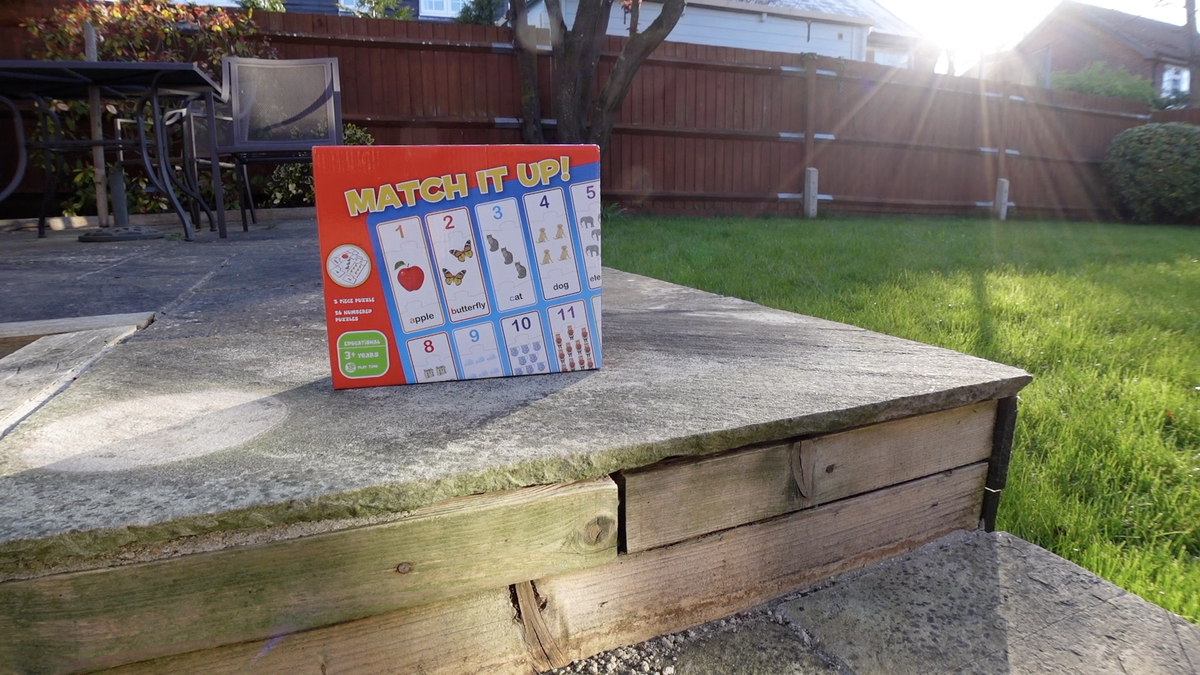
Yes, I use a children’s puzzle to teach leaders about change.
It sounds childish at first. But it works — and it works precisely because it strips complexity away.
The first time I ran this exercise, I stood in a hotel conference room with a group of senior managers and executives. I worried they would see it as a waste of time. Instead, they became fully absorbed — competitive, focused, and animated. What followed was one of the richest conversations about teamwork and change I’d ever facilitated.
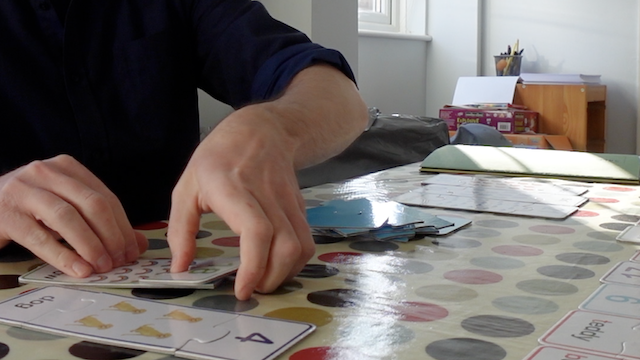
Since then, I’ve used the same simple puzzle hundreds of times, with groups large and small. The pattern is always the same. People laugh. People rush. People argue. And then, quietly, insight appears.
The power of the exercise is not the puzzle itself. It is what the puzzle reveals.
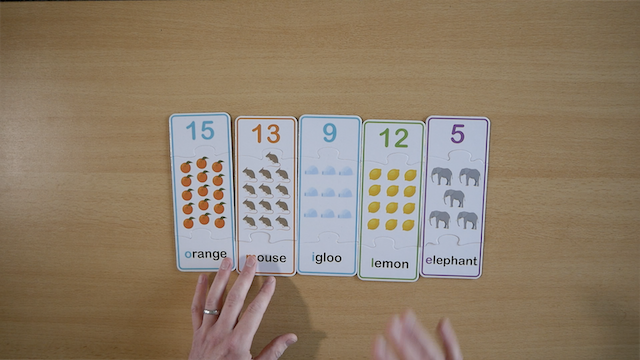
At face value, the task is trivial. Reassemble a simple set of matching pieces as quickly as possible. But as soon as the clock starts, familiar organisational behaviours emerge.
Some teams over-plan. Others dive in without thinking. Some people dominate. Others withdraw. Certain groups improve rapidly. Others plateau early and struggle to understand why.
The puzzle becomes a mirror.
One of the first lessons is about uneven work. Some teams are unknowingly given harder puzzles than others. Performance differences quickly appear. In organisations, this happens constantly — yet leaders often compare outcomes across teams without accounting for complexity, ability, or constraints.
Another lesson is clarity. Teams that can see the completed puzzle before starting consistently outperform those that cannot. The parallel to work is obvious. When people understand what “good” looks like, progress accelerates. When they don’t, effort scatters.
Feedback emerges faster than theory. Teams that experiment early, even imperfectly, learn more than those who debate endlessly. Improvement comes from doing, not discussing.
Perhaps most importantly, the exercise exposes how much energy comes from joy. Laughter, competition, and shared purpose dramatically change how people engage. Work improves not when pressure increases, but when people care.
Over multiple rounds, limits appear. Teams improve, then plateau. Further gains become marginal. This mirrors real systems. Not all constraints can be optimised away. At some point, effort must shift to a different problem entirely.
Across sessions, the same deeper truths surface again and again.
Change does not happen because leaders tell people what to do. It happens when people can see the future state, understand the work, and are free to experiment without fear.
Communication matters more than control. Consistency beats constant reinvention. Learning comes from trying, not theorising.
And perhaps most uncomfortably for leaders: many obstacles to progress are created by the system itself.
A child’s puzzle makes these dynamics visible in minutes. No slides. No jargon. No defensiveness. Just behaviour, laid bare.
That is why it works.
The lesson is not to use puzzles at work.
The lesson is to pay attention to how people actually experience change and take ideas to value — and to design environments where clarity, focus, and collaboration can emerge naturally.
When leaders do that, progress follows.
Not because people were pushed. But because the path was finally clear.
Video
Editor’s note: This essay grows from an earlier exploration in another medium. The thinking remains central, even as the format has changed.
The puzzle game in action
Explore the work
This piece forms part of Cultivated’s wider body of work on how ideas become valuable, and how better work is built.
To explore further:
→ Library — a curated collection of long-form essays → Ideas — developing thoughts and shorter writing → Learn — practical guides and tools from across the work → Work with us — thoughtful partnership for teams and organisations
The link has been copied!
Your link has expired. Please request a new one.
Your link has expired. Please request a new one.
Your link has expired. Please request a new one.
Great! You've successfully signed up.
Great! You've successfully signed up.
Welcome back! You've successfully signed in.
Success! You now have access to additional content.