Ideas don't spread – artefacts do
Every idea starts its life invisible. Inside someone's head.
Which is inconvenient, because human beings are remarkably poor at engaging with things they cannot see. That, perhaps, is why ideas rarely spread. Artefacts do.
An idea in your head is fragile, fleeting, maybe perfectly usable but holding no value in it's original form. An idea turned into something, can travel. A document. A prototype. A short video. A new way of working. A simple improvement, tested and implemented, that helps a team do their job better.
Once an idea becomes an artefact, it can be picked up by others — interpreted, reshaped, improved, and built upon. It can move beyond you. That's when ideas start to spread.
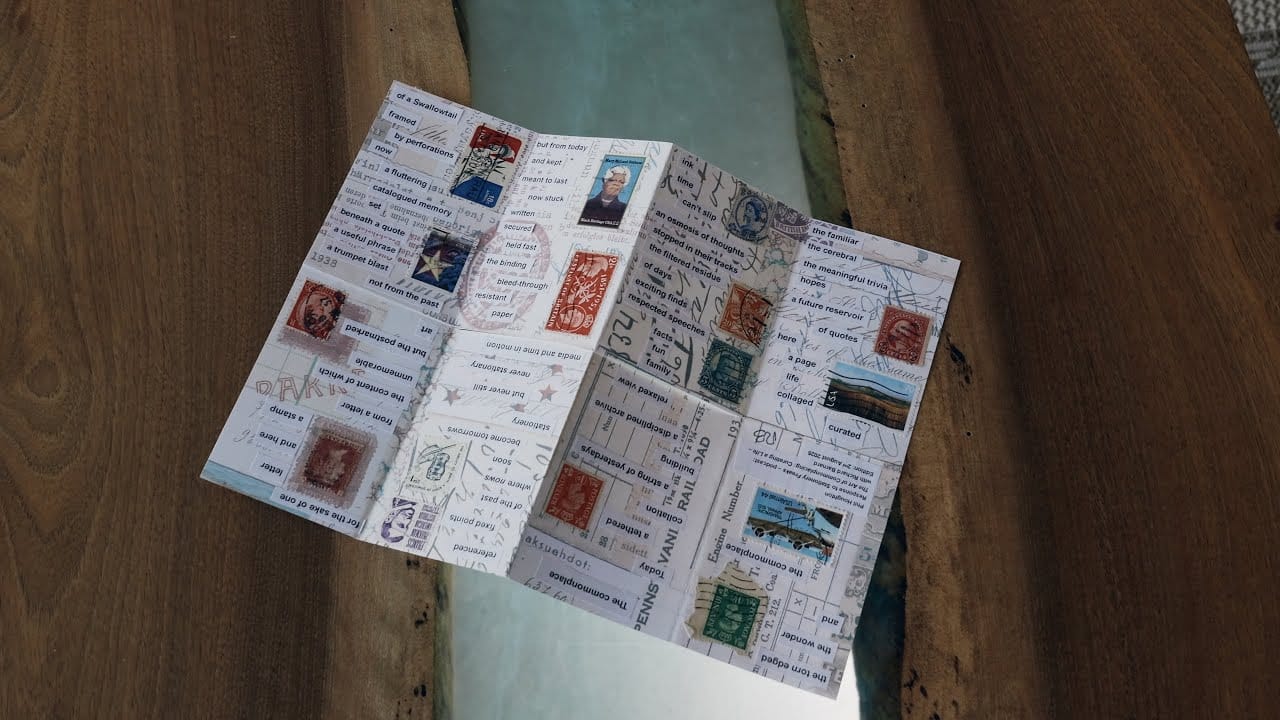
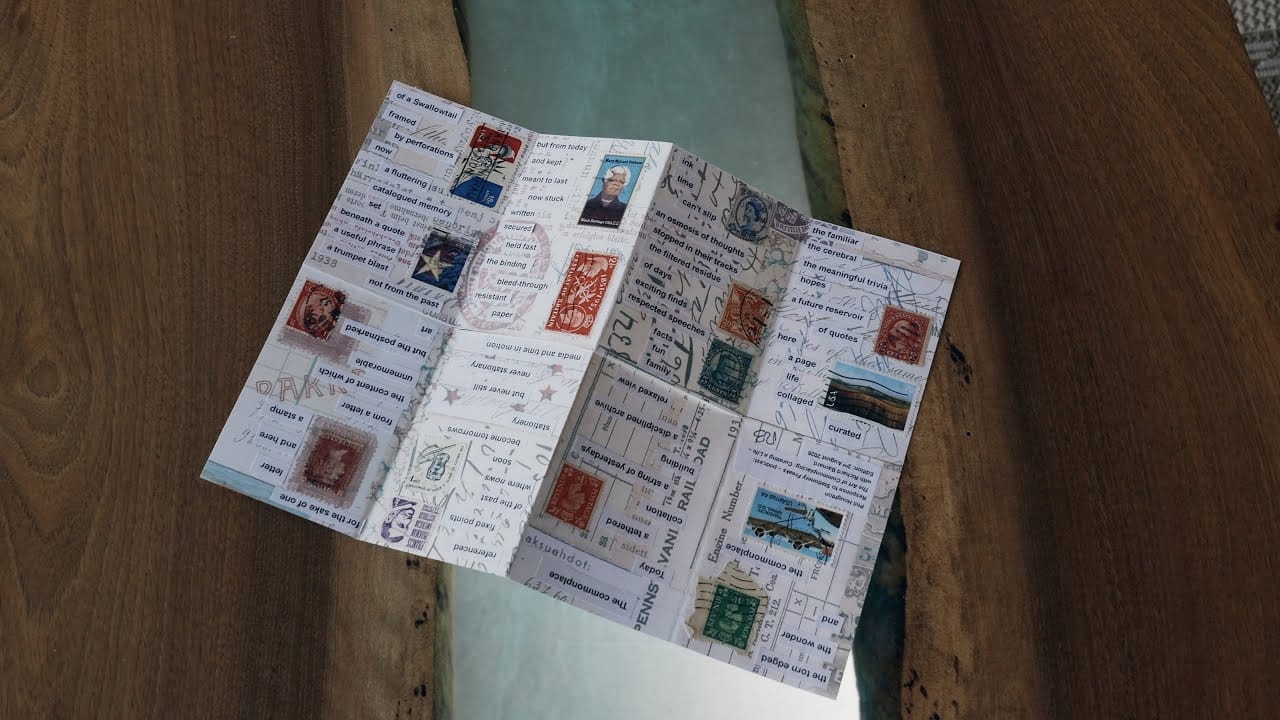
I was recently reminded of this through a small, creative chain reaction. An idea that turned into a podcast episode on Stationery Freaks, then became a poem about the episode. That poem was then turned into a small zine. That zine then became a video. Same idea. Different forms. Growing value.
None of this was planned. None of it was optimised. It happened because the work was made — and then shared. And this is exactly how ideas move through organisations too.
The modern workplace has developed an unhealthy fascination with ideas. Entire departments now exist to generate them. Curiously though, much less attention is paid to the thing that actually changes things: turning those ideas into something another person can hold, read, watch, hear or experience.
Some ideas simply never see the light of day, killed off before they might become something useful, likely due to the climate in the organisation, rather than the idea not having any merit.
When ideas do flourish into something useful it's not uncommon for those ideas to stay in one place. A useful improvement stays inside one team. A better way of working never leaves a department. A small innovation is treated as "just part of the job." Often guarded and protected for reasons which may seem important on a Tuesday but don't help the wider business six months on.
When good work isn't shared, it can't travel. But when we shine a light on useful things – a new process, a smarter decision, a clearer way of communicating, an idea in it's first form – we create the conditions for others to build on it, for it to move, for others to get value from it.
Ideas spread in many directions, and often not in the ways we always expect. They jump teams, departments, sometimes entire businesses – if they are allowed to by being shared openly. They morph into something new. And often we never see how far they go. But the idea is brought to form in some artefact first. Something people can see, touch, hear, hold, understand.
One of the truths about creative and organisational work: we rarely get to see the full downstream impact of our ideas and work. An artefact from an idea you share today might become someone else's seed for something new a few months from now. A small change might subtly influence how decisions are made long after you've moved on.
That doesn't make the work less valuable. It makes it more valuable. The only ideas that truly go nowhere are the ones we never create from – and never share.
Not every idea will be brilliant. That's part of the deal. There is a notebook on my desk containing hundreds of ideas. Most will never become anything. A handful became essays. A few became workshops. One or two became businesses.
The difference, I've come to believe, has very little to do with the quality of the idea itself. It is about bringing the idea into some sort of form. Creativity often produces volume before it produces value. But if we wait for certainty or perfection before sharing, we dramatically reduce the chances of anything useful spreading at all.
Generous sharing isn't about broadcasting everything. It's about making good, helpful work visible.
The simple principle
Make something from your idea, no matter how small. Share it generously. Let it travel.
That's how ideas grow. That's how ideas spreads. And that's how work gets better – one visible act at a time.
Where this sits in the Atlas
Orientation·Idea to Value·Communication·Creativity & Climate·Learning